Intrathecal Pump Breakthrough Delivers Dramatic Pain Relief Without Opioids
For people living with severe, unrelenting pain, an intrathecal pump can be a life‑changing option—especially for those who want to avoid or reduce opioids. Recent advances in pump technology, non‑opioid medications, and personalized dosing have made this therapy more precise, safer, and more effective than ever before.
This guide explains what intrathecal pumps are, how they work, why they’re considered a “breakthrough” for some patients, and what to expect if you’re considering this treatment.
What Is an Intrathecal Pump?
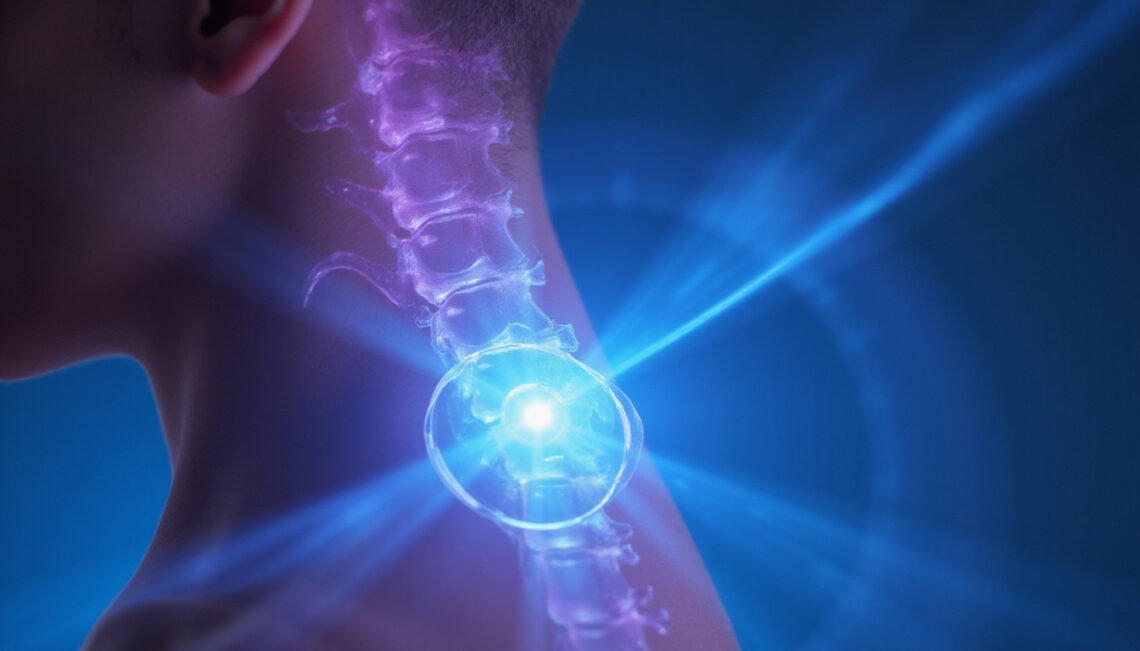
An intrathecal pump—also called an implanted drug delivery system—is a small, programmable device placed under the skin that delivers medicine directly to the fluid around your spinal cord (the intrathecal space).
Instead of taking pills or getting injections that travel throughout your entire body, the pump sends tiny doses of medication exactly where pain signals travel. Because the drug is delivered directly to the spinal cord:
- Much lower doses are needed.
- Systemic side effects are often reduced.
- Pain relief can be more targeted and consistent.
Intrathecal pumps are most often used for:
- Chronic cancer pain
- Severe back or neck pain (often after surgery)
- Complex regional pain syndrome (CRPS)
- Nerve injuries and neuropathic pain
- Spasticity from conditions like multiple sclerosis or cerebral palsy
Why This Is a Breakthrough for Non‑Opioid Pain Relief
Historically, many intrathecal pumps delivered opioids such as morphine. Today, however, a growing number of patients are achieving significant pain relief using non‑opioid medications through the same system.
Key factors behind this shift:
- Direct spinal delivery allows non‑opioid drugs to be effective at doses that would be too low to work if taken orally.
- Better understanding of pain pathways means doctors can target specific receptors and nerve signaling systems beyond the traditional opioid pathway.
- Smart pump programming lets clinicians fine‑tune delivery rates by time of day, activity level, and flare patterns.
For patients who are opioid‑intolerant, have failed conventional opioids, or want to avoid dependence and side effects, this combination makes intrathecal therapy a genuine breakthrough.
How an Intrathecal Pump Works
An intrathecal pump system has two main parts:
-
The pump and reservoir
A small metal device implanted under the skin of your abdomen. Inside is a chamber that stores medication and a programmable computer that controls flow. -
The catheter
A flexible, thin tube placed in the intrathecal space along your spine. It connects to the pump and delivers medication directly to the spinal fluid.
Step‑by‑Step: From Implant to Pain Relief
-
Screening trial
Before permanent implantation, most patients undergo a trial. Medication is delivered into the spinal fluid via a temporary catheter or injection to see how much relief is possible and how well it’s tolerated. -
Implant procedure
If the trial succeeds, a surgeon places the catheter near the appropriate spinal level and implants the pump under the skin. The procedure typically takes 1–3 hours and is often done under general or regional anesthesia. -
Programming the pump
Using an external programmer, your pain specialist sets the baseline dose and, if appropriate, allows patient‑controlled bolus doses (within safety limits). Settings can be adjusted in clinic visits without further surgery. -
Refills and follow‑up
Every 1–3 months (depending on your dosing), a clinician refills the pump by inserting a needle through the skin into the reservoir. The pump’s battery generally lasts several years and then requires replacement via a minor surgical procedure.
Non‑Opioid Medications Used in Intrathecal Pumps
The most exciting aspect of the modern intrathecal pump is its ability to deliver a variety of non‑opioid and opioid‑sparing medications. Depending on your diagnosis, your pain specialist may use:
-
Local anesthetics (e.g., bupivacaine)
Numb nerve transmission in the spinal cord, especially useful for neuropathic and radicular pain. -
Clonidine
A non‑opioid agent that modulates pain signaling by acting on alpha‑2 adrenergic receptors. -
Ziconotide
A non‑opioid derived from marine snail venom, it blocks a specific type of calcium channel in the spinal cord and can provide powerful pain relief for some patients. It is often used specifically for people who cannot or should not take opioids (source: U.S. National Library of Medicine). -
Baclofen
Used primarily for spasticity rather than pain, but can dramatically reduce muscle rigidity and associated discomfort. -
Combination therapies
Low‑dose opioids combined with non‑opioid agents can dramatically reduce the required opioid dose while maintaining or improving pain control.
By delivering these medications intrathecally, clinicians can achieve meaningful pain control with microgram‑level dosing, reducing the risk of systemic side effects compared with oral or injected equivalents.
Conditions That May Benefit from an Intrathecal Pump
An intrathecal pump is usually considered after conservative treatments (oral medications, injections, nerve blocks, physical therapy) have failed or caused intolerable side effects.
Common indications include:
- Failed back surgery syndrome (FBSS)
- Severe lumbar or cervical radiculopathy
- Intractable cancer‑related pain
- Peripheral neuropathy with disabling symptoms
- Complex regional pain syndrome (CRPS)
- Painful spasticity due to spinal cord injury, stroke, MS, or cerebral palsy
For each condition, the decision depends on:
- Severity and duration of pain
- Response to previous treatments
- Overall health and surgical risk
- Ability to manage and attend regular follow‑up visits
Benefits of Intrathecal Pump Therapy
For the right patient, an intrathecal pump can be transformative.

1. Major pain reduction with tiny doses
Because the drug is delivered right to the spinal cord, doses may be up to 1/300th of an oral dose, yet just as effective—or more.
2. Fewer whole‑body side effects
Many patients experience less drowsiness, constipation, nausea, and mental fog compared with oral opioids.
3. Improved function and quality of life
When pain is better controlled and side effects decrease, people often sleep better, move more, and re‑engage in daily life.
4. Personalized, adjustable therapy
Pump settings can be tailored for daytime vs nighttime, activity patterns, or flare cycles, offering more consistent control than pills.
5. Opioid‑sparing or opioid‑free options
For individuals who cannot tolerate opioids or want to minimize them, non‑opioid intrathecal regimens are increasingly available.
Risks and Considerations
Like any medical procedure, intrathecal pump therapy has risks. Understanding them helps you make an informed decision.
Possible complications include:
- Surgical risks – infection, bleeding, or poor wound healing.
- Catheter problems – kinking, breakage, or migration can lead to under‑ or over‑delivery of medication.
- Pump malfunction – rare, but can result in sudden changes in dosing.
- Medication side effects – nausea, dizziness, weakness, or rare neurologic symptoms, depending on the drug.
- Withdrawal or overdose – if the pump stops working or the catheter is disrupted, abrupt withdrawal can be serious; conversely, programming errors may cause overdose.
Most complications are uncommon and can be reduced through:
- Careful patient selection
- A successful screening trial
- Treatment at an experienced pain center
- Consistent follow‑up and prompt reporting of new symptoms
Who Is (and Isn’t) a Good Candidate?
An intrathecal pump is most appropriate for people who:
- Have severe, chronic pain significantly limiting daily life
- Have not achieved adequate relief with conservative treatments
- Cannot tolerate or do not respond well to oral medications
- Are able to attend regular follow‑up appointments for pump refills
- Understand the risks and responsibilities of an implanted device
It may not be suitable if you:
- Have uncontrolled infection or bleeding disorders
- Are unable to undergo anesthesia safely
- Have untreated severe psychiatric or substance‑use disorders that interfere with care
- Cannot or will not participate in regular follow‑up and monitoring
A board‑certified pain specialist or neurosurgeon experienced with intrathecal pumps can help determine whether you meet criteria.
What to Expect During Recovery and Long‑Term Use
After implantation, most people stay in the hospital for a short observation period, then go home with activity restrictions for a few weeks while incisions heal.
Over the first few months:
- Your clinician will adjust pump settings based on your pain diary and feedback.
- You may gradually reduce or discontinue some oral pain medications.
- You’ll learn what activities are safe and how to protect the pump site.
Long‑term, most patients:
- Visit their clinic every 1–3 months for refills and programming checks.
- Have yearly or semi‑yearly reviews of overall pain status and function.
- May require pump replacement every 5–7 years, depending on the device and battery life.
Questions to Ask Your Doctor About Intrathecal Pumps
If you’re considering this therapy, you might ask:
- What specific diagnosis are we targeting with an intrathecal pump?
- What non‑opioid medications could be used in my case?
- What results do your typical patients see in pain reduction and function?
- What are the short‑ and long‑term risks for someone with my health profile?
- How often will I need refills and follow‑up visits?
- What happens if I move or change healthcare systems?
Take written notes or bring a family member to help you remember the information and weigh your options.
Pros and Cons at a Glance
Potential advantages:
- Significant, often dramatic, pain relief
- Reduced reliance on oral opioids
- Lower systemic side effects
- Adjustable, long‑term therapy
- Can be tailored with non‑opioid or low‑opioid regimens
Potential downsides:
- Requires surgery and an implanted device
- Ongoing maintenance with regular refills
- Risk of device or catheter complications
- Not guaranteed to work for every patient
FAQ About Intrathecal Pump Therapy
1. How does an intrathecal pain pump compare to oral medications?
An intrathecal pain pump delivers medication directly into the spinal fluid, allowing much lower doses than oral medications while often providing stronger, more targeted relief. Because the drug bypasses much of the bloodstream and digestive system, many patients experience fewer whole‑body side effects than with pills.
2. Can an intrathecal drug delivery system be used without opioids?
Yes. Many modern intrathecal drug delivery systems use non‑opioid medications such as ziconotide, clonidine, local anesthetics, or baclofen. Some patients can achieve substantial pain relief with fully opioid‑free regimens, while others use very low‑dose opioids combined with non‑opioid agents to minimize risk and side effects.
3. Is a spinal pain pump a permanent decision?
An intrathecal spinal pain pump is designed for long‑term use, but it is not necessarily permanent. The device can be surgically removed if it doesn’t provide adequate relief, causes complications, or if your medical situation changes. However, because implantation and removal both require surgery, doctors typically recommend a thorough trial and careful evaluation before proceeding.
Is an Intrathecal Pump Right for You?
If chronic pain controls your life despite medications, injections, and other therapies—or if you’re seeking a way to manage severe pain without heavy reliance on opioids—an intrathecal pump may be worth discussing with a specialist.
Ask your primary doctor for a referral to a pain management center or neurosurgeon experienced with implanted drug delivery systems. A thorough evaluation and intrathecal trial can help determine whether this breakthrough approach could finally give you the dramatic relief you’ve been searching for—while reducing or even eliminating your need for opioids.
You don’t have to face unrelenting pain or the burdens of high‑dose medications alone. Reach out to a qualified pain specialist today and explore whether intrathecal pump therapy belongs in your personalized plan for lasting, meaningful relief.