Living with chronic low back pain can drain your energy, limit your movement, and affect nearly every part of your life. For many people, lumbar decompression offers a powerful way to relieve pressure on nerves in the lower spine and get back to normal activities. But surgery or non-surgical decompression is only half the story—the real game-changer is how you recover.
This guide breaks down what lumbar decompression is, what to expect, and the top recovery strategies that help you beat chronic pain and protect your spine for the long term.
What is lumbar decompression?
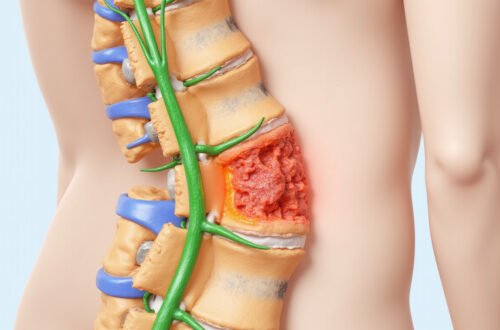
Lumbar decompression is a treatment that reduces pressure on the spinal nerves in the lower back (lumbar spine). That pressure often comes from:
- Herniated or bulging discs
- Spinal stenosis (narrowing of the spinal canal)
- Bone spurs
- Thickened ligaments
- Degenerative disc disease
When nerves are compressed, they can cause:
- Low back pain
- Leg pain (sciatica)
- Numbness or tingling
- Weakness in the legs or feet
Lumbar decompression can be done surgically (like a laminectomy, microdiscectomy, or spinal fusion) or non-surgically (like mechanical or traction-based decompression therapy). The goal in both cases is the same: create more space for the nerves so they can function without irritation.
Types of lumbar decompression treatments
Understanding the different treatment options helps you know what your recovery might look like.
1. Surgical lumbar decompression
Common surgical procedures include:
- Microdiscectomy – removal of part of a herniated disc pressing on a nerve
- Laminectomy – removal of part of the vertebral bone (lamina) to widen the spinal canal
- Foraminotomy – widening the opening where nerve roots exit the spine
- Spinal fusion – joining two or more vertebrae to stabilize the spine (often combined with decompression)
Surgery is typically considered when:
- Pain is severe or disabling
- Symptoms don’t improve with conservative care
- There is significant weakness or loss of function
- There are signs of nerve damage or bladder/bowel issues (a medical emergency)
2. Non-surgical lumbar decompression
Non-surgical decompression uses controlled traction to gently stretch the spine. This can:
- Reduce disc pressure
- Improve nutrient and fluid flow into the disc
- Decrease nerve root compression
It’s often done using a specialized table or device in a clinic setting. This approach is usually part of a broader program that includes:
- Physical therapy
- Core strengthening
- Posture retraining
- Pain management strategies
What to expect immediately after lumbar decompression
Recovery looks different depending on the procedure, but some general patterns apply.
After surgical decompression
Right after surgery, you can expect:
- Soreness at the incision site
- Stiffness in your back
- Tiredness or grogginess from anesthesia
Many patients notice leg pain relief very quickly if nerve compression was the main issue. However, numbness and weakness sometimes take longer to improve as nerves slowly heal.
You’ll typically:
- Walk (with assistance) within hours to a day after surgery
- Stay in the hospital from same-day discharge to a couple of days, depending on the surgery type and your health
- Begin gentle movement and breathing exercises almost immediately
After non-surgical decompression
For non-surgical lumbar decompression therapy, you’ll usually:
- Attend sessions 2–4 times per week over several weeks
- Experience mild soreness or fatigue after sessions
- Combine decompression therapy with home exercises and lifestyle modifications
Consistency and adherence to the full program are critical for best results.
Top recovery strategies to beat chronic pain after lumbar decompression
The decisions you make during recovery strongly influence how well you heal—and whether your pain returns. These evidence-informed strategies can help you get the most from your lumbar decompression.
1. Follow a structured, progressive rehab plan
A graduated exercise program is essential. Your spine and supporting muscles need to relearn how to move safely and efficiently.
Key elements often include:
- Early phase (days 1–14):
- Short, frequent walks
- Gentle ankle pumps and leg movements to promote circulation
- Light abdominal bracing while lying down
- Middle phase (weeks 2–6):
- Core stabilization exercises (e.g., pelvic tilts, dead bug variations)
- Hip and hamstring mobility work
- Gradual increase in walking distance
- Later phase (weeks 6–12+):
- Strength training for glutes, hips, and back
- Balance and coordination exercises
- Return-to-sport or higher-level activity plans if appropriate
A physical therapist can tailor this progression to your specific surgery or non-surgical program and any coexisting conditions.
2. Protect your spine with smart movement habits
How you move every day is just as important as formal therapy.
Focus on:
- Neutral spine posture – avoid prolonged slouching or extreme arching
- Hip hinge mechanics – bend at hips and knees, not just at the lower back, when lifting or reaching
- Avoiding heavy lifting early on – stick to your surgeon or therapist’s weight limits
- Log-rolling in and out of bed – roll to your side, then use your arms to push up as you swing your legs over
Developing these habits reduces stress on your healing tissues and helps prevent reinjury.
3. Build a strong, supportive core
After lumbar decompression, your core muscles act as natural “bracing” for the spine. A strong core helps distribute load more evenly and protects healing structures.
Common safe core exercises (once cleared by your provider) include:
- Abdominal bracing with diaphragmatic breathing
- Pelvic tilts
- Bridges
- Bird dog variations
- Side-lying leg lifts
Avoid high-stress moves (like heavy sit-ups, twisting with weight, or heavy deadlifts) until your care team says they’re safe.
4. Manage inflammation and pain wisely
Pain is expected during recovery, but it should be gradually improving. Smart pain management allows you to stay active without overdoing it.
Options often include:
- Medications – as prescribed (e.g., short-term pain relievers or anti-inflammatories)
- Ice or heat – ice is usually better early on for incision discomfort; later, heat can relax tight muscles
- Gentle stretching – to reduce muscle guarding
- Position changes – avoid sitting or standing in one spot for too long
Work closely with your provider to adjust medications or strategies if pain is interfering with sleep, rehab, or daily activities.
5. Optimize sleep and recovery positioning
Your body repairs itself during sleep, making it a critical recovery tool.
Helpful sleep strategies:
- Side-lying with a pillow between knees – keeps hips and spine more neutral
- On your back with knees elevated on a pillow or wedge – reduces lumbar pressure
- Avoiding stomach sleeping – this can compress the lower back and twist the neck
Make your sleep environment quiet, cool, and dark, and maintain a consistent schedule to support healing.
6. Address lifestyle factors that affect spinal health
Recovery from lumbar decompression is not just about the spine—it’s about your overall health.
Consider:
- Weight management: Extra body weight, especially around the abdomen, increases load on the lumbar spine. Even modest weight loss can significantly reduce back stress.
- Nutrition: Emphasize lean protein, fruits, vegetables, whole grains, and healthy fats to support tissue repair. Stay hydrated.
- Smoking cessation: Smoking impairs blood flow and slows healing, and is linked with poorer outcomes after spine surgery (source: North American Spine Society).
- Stress reduction: Chronic stress can heighten pain perception. Techniques such as mindfulness, deep breathing, or gentle yoga (when cleared) can help.
7. Respect activity restrictions—but don’t stay inactive
A common mistake is either doing too much, too soon or not moving enough.
General guidance (always individualized by your surgeon or therapist):
- Early weeks: Avoid heavy lifting, bending, and twisting. Focus on walking and gentle exercises.
- Sitting time: Limit long periods of sitting; stand, walk, or lie down periodically to reduce pressure on the lumbar discs.
- Driving: Usually restricted for a period after surgery or while on certain pain medications—get explicit clearance first.
Movement promotes circulation, prevents stiffness, and helps your brain “re-map” normal, non-painful motion patterns.
8. Monitor your symptoms and know red flags
Some discomfort is expected, but certain symptoms warrant prompt medical attention.
Contact your provider immediately if you notice:
- New or worsening leg weakness
- Loss of bowel or bladder control
- Fever, chills, or increasing redness/swelling at the incision site
- Severe, sudden increase in back or leg pain
- Numbness in the groin or inner thighs
These may signal complications that need urgent evaluation.
Sample daily routine after lumbar decompression (once cleared by your team)
Use this as a general framework to organize your recovery day. Always adjust based on specific medical advice.
-
Morning
- 5–10 minutes of gentle stretching and core activation
- Short walk (5–15 minutes)
- Healthy breakfast rich in protein and fiber
-
Midday
- Physical therapy exercises (as prescribed)
- Another short walk or movement break
- Limit continuous sitting to 30–45 minutes at a time
-
Afternoon
- Light household tasks (within your restrictions)
- Brief rest with supportive positioning for your back
- Ice or heat if recommended
-
Evening
- Gentle stretching or relaxation routine
- Prepare for sleep: minimize screens before bed, maintain consistent bedtime
- Sleep in a spine-friendly position with proper pillow support
This structure keeps you active, but paced, and reinforces healing habits.
Long-term strategies to keep pain from coming back
Lumbar decompression can dramatically reduce symptoms, but chronic pain can return if underlying issues aren’t addressed. Think of your procedure or therapy as a reset button, not a permanent fix on its own.
For long-term success:
- Continue regular core and hip strengthening 2–3 times per week
- Maintain a healthy body weight
- Use proper mechanics when lifting, bending, or doing physical work
- Stay engaged in aerobic activity you enjoy (walking, swimming, cycling)
- Check in with your provider if you notice any gradual return of symptoms rather than waiting for a crisis
Consistent, moderate activity is usually better than short periods of intense effort followed by long stretches of inactivity.
FAQ: lumbar decompression recovery and chronic pain
How long does it take to recover from lumbar decompression surgery?
Most people see significant improvement within 6–12 weeks, but full recovery—especially after more extensive procedures like fusion—can take 6–12 months. Factors such as age, overall health, smoking status, and how closely you follow your rehab plan all influence your recovery timeline.
Is non-surgical lumbar decompression effective for chronic low back pain?
Non-surgical lumbar spinal decompression therapy can help some patients, especially those with disc-related conditions, mild to moderate nerve compression, or those who are not surgical candidates. It tends to work best when part of a comprehensive plan that includes exercise therapy, posture training, and lifestyle modification, rather than as a stand-alone solution.
Can lumbar decompression cure sciatica permanently?
Lumbar decompression—whether surgical or non-surgical—can provide long-lasting relief from sciatica if nerve compression is the main cause. However, “permanent” cure depends on many factors: spine degeneration, posture, activity levels, and lifestyle habits. Maintaining core strength, proper body mechanics, and a healthy weight are key to preventing sciatica from returning.
Take control of your recovery after lumbar decompression
Chronic back and leg pain can make you feel powerless, but lumbar decompression paired with a smart, committed recovery plan can change that. By combining the right procedure or therapy with targeted rehab, healthy movement patterns, and long-term lifestyle upgrades, you give your spine the best chance to heal and stay strong.
If you’re considering decompression or you’ve already had treatment, now is the time to act. Talk with your spine specialist or physical therapist about a personalized recovery roadmap, ask specific questions about what you should and shouldn’t do, and commit to the daily habits that support your progress. The sooner you invest in your recovery strategy, the sooner you can reclaim your mobility, confidence, and quality of life.