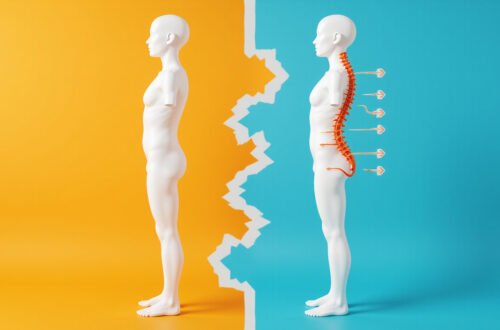
Living with lower back pain can make every movement feel like a challenge. A well-fitted lumbar orthosis (often called a lumbar brace or back brace) can be a powerful tool to relieve pain, support healing, and restore your ability to move with confidence. Used correctly—and combined with the right exercises and habits—lumbar orthoses can support your spine while you build long-term strength and stability.
Below, you’ll learn how lumbar orthoses work, who can benefit, how to use one safely, and practical tips to get the most relief and mobility from your brace.
What Is a Lumbar Orthosis?
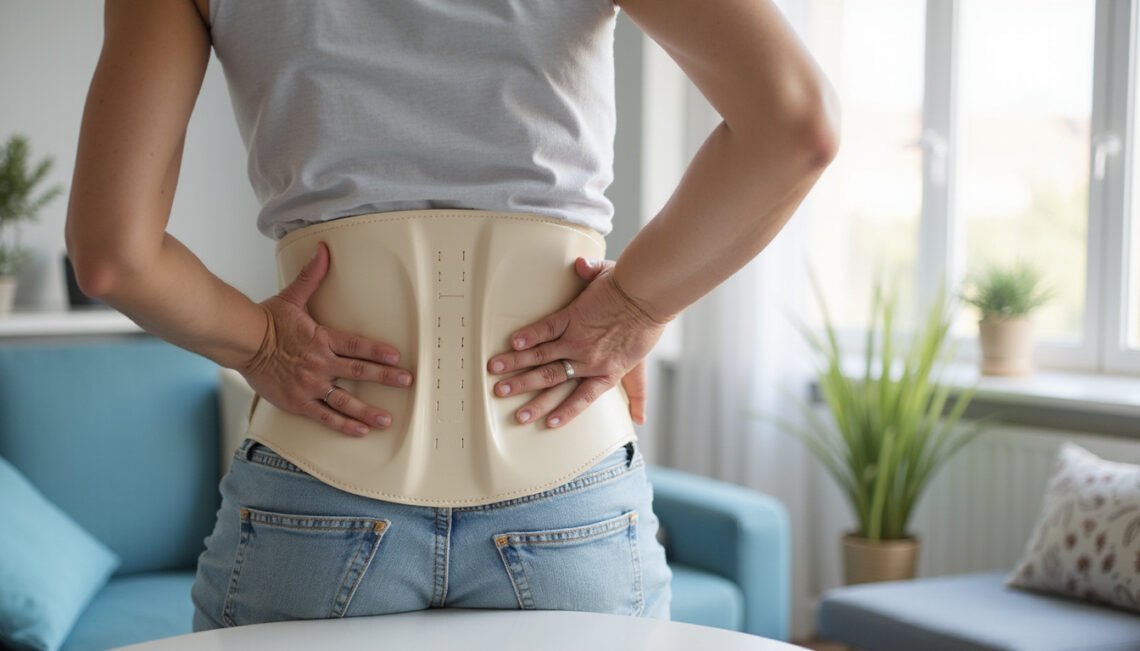
A lumbar orthosis is a medical device designed to support the lower part of your spine (the lumbar region). It typically wraps around your lower torso and may include rigid or semi-rigid components to:
- Limit painful or harmful movements
- Support weak or injured muscles and ligaments
- Help maintain better posture
- Reduce stress on spinal discs and joints
You might hear other terms like:
- Lumbar support brace
- Lumbosacral orthosis (LSO)
- Back brace for lower back pain
They all refer to devices with the shared goal of stabilizing and protecting your lower back.
When Is a Lumbar Orthosis Recommended?
Healthcare professionals may recommend a lumbar orthosis in several situations, including:
- Acute low back pain – To reduce motion and ease muscle spasms.
- Lumbar disc herniation or bulge – To limit positions that aggravate nerve compression.
- Degenerative disc disease or arthritis – To support painful joints and reduce mechanical stress.
- Post-surgery support – After procedures like fusion, discectomy, or laminectomy.
- Vertebral fractures – To protect the spine during healing.
- Chronic instability – When weak muscles or ligaments don’t adequately support the spine.
- Heavy work or lifting – Sometimes used temporarily in occupations with high physical demand.
Lumbar orthoses are most effective when prescribed and monitored by a physician, physical therapist, or orthotist who understands your specific diagnosis, body type, and activity level.
How a Lumbar Orthosis Helps Relieve Pain
Pain relief from a lumbar orthosis usually comes from several combined effects:
1. Motion Control
By limiting extreme flexion (bending forward), extension (arching back), or twisting, a lumbar orthosis can reduce mechanical irritation to inflamed joints, discs, and nerves. Less movement in painful directions often translates to less pain with daily activities.
2. Pressure and Load Sharing
A brace can transfer some of the load from your lumbar spine to the abdominal area, acting like a supportive “corset.” This load sharing reduces compressive forces on discs and facet joints, which may ease pain, especially during standing and walking.
3. Improved Posture
Poor posture, such as excessive slouching, can increase stress on the lower back. Many lumbar orthoses encourage a more neutral spine posture, helping to:
- Reduce muscle fatigue
- Decrease disc pressure
- Promote more efficient movement patterns
4. Proprioceptive Feedback
Simply feeling the brace around your torso can heighten awareness of your posture and movements. This feedback gently reminds you to avoid sudden twisting, heavy lifting, or awkward positions that might worsen pain.
According to clinical guidance from the American Academy of Orthopaedic Surgeons, bracing can be a helpful component in managing select spine conditions when combined with exercise and medical care (source: AAOS).
Choosing the Right Lumbar Orthosis
Not all back braces are created equal. The right lumbar orthosis depends on your diagnosis, build, and daily activities.
Key Factors to Consider
-
Level of Support
- Soft braces: Elastic or neoprene; mild support, warmth, and posture cues.
- Semi-rigid: Add stays or panels for moderate control; commonly used for chronic low back pain.
- Rigid orthoses: Strong plastic or metal supports; used for fractures, post-surgery, or significant instability under medical supervision.
-
Fit and Adjustability
The brace should be snug but not painful or restrictive. Look for:- Adjustable straps or lacing
- Different sizes or custom-molded options
- Women’s or men’s anatomical fits when available
-
Breathability and Comfort
Materials that wick moisture and allow airflow help with long-term wear. If you live in a warm climate or move a lot during the day, prioritize comfort and breathability. -
Ease of Use
If you have limited hand strength or mobility, choose a lumbar orthosis with:- Simple closures (e.g., velcro with pull tabs)
- Minimal complicated adjustments
-
Professional Guidance
A physical therapist or orthotist can measure you, recommend specific models, and ensure the orthosis is properly fitted and aligned over your lumbar spine.
How to Wear a Lumbar Orthosis Safely
Using your lumbar orthosis correctly is essential for both pain relief and long-term spinal health.
Getting the Fit Right
- Positioning: Center the brace over your lower back so the bottom edge sits at or just above your hips.
- Tightness: It should feel supportive and secure, but you should still be able to breathe easily and move without feeling pinched or numb.
- Clothing: Typically worn over a thin, snug shirt to prevent skin irritation and absorb sweat.
How Long Should You Wear It?
While your provider’s instructions come first, typical guidelines include:
- Use the brace during activities that provoke pain (walking, standing, chores) rather than all day long.
- Limit wear time to a few hours per day in most chronic pain cases, so your muscles also work on their own.
- For post-op or fracture cases, follow strict medical guidance, which may include continuous wear for a defined period.
Over-reliance on a lumbar orthosis without exercise can lead to deconditioning and increased weakness, so balance is crucial.
Tips to Relieve Pain and Restore Mobility with a Lumbar Orthosis
A lumbar orthosis is not a cure by itself—but it can dramatically support recovery when combined with active strategies.
1. Pair the Orthosis with Targeted Exercise
Use periods of reduced pain (thanks to the brace) to perform:
- Core strengthening: Exercises like modified planks, bridges, or dead bugs under supervision.
- Hip and hamstring stretching: Tight hips and hamstrings often increase stress on the lower back.
- Gentle mobility work: Pelvic tilts, cat-camel stretches, or guided spinal mobility exercises.
Your physical therapist can craft a program tailored to your condition so you safely strengthen muscles while supported by your lumbar orthosis.

2. Use It Strategically for Daily Activities
Think of your brace as an assistive tool, not a permanent crutch:
- Wear the orthosis for household chores, longer walks, or standing tasks that usually trigger your pain.
- Take scheduled breaks without the brace, especially when sitting or lying down, to allow your muscles to work independently.
- Use your improved comfort window to practice good movement patterns, like hip hinging instead of rounding your back.
3. Combine with Smart Body Mechanics
Even with a lumbar orthosis, you still need to move mindfully:
- Lift with your legs, keeping objects close to your body.
- Avoid twisting while lifting or carrying; pivot with your feet instead.
- Sit with good posture, using lumbar support in chairs if needed.
- Change positions regularly—don’t stay in one posture for too long.
4. Protect Your Skin and Comfort
To avoid irritation:
- Wear a soft, form-fitting base layer under the orthosis.
- Check your skin daily for redness, blisters, or pressure marks.
- Keep the brace clean by wiping it down and following manufacturer washing guidelines.
If you notice persistent pain, numbness, or skin breakdown under the brace, contact your provider for an adjustment or refitting.
5. Work Toward Gradual Independence
In many cases, the long-term goal is to rely less on the lumbar orthosis as your muscles get stronger and pain improves. Under professional guidance, you may:
- Reduce hours of daily brace use over weeks or months.
- Transition from a rigid or semi-rigid brace to a softer support or posture belt.
- Reserve the orthosis only for higher-risk activities or flare-ups.
This gradual taper helps prevent rebound pain and encourages lasting stability and mobility.
Simple Daily Routine with a Lumbar Orthosis
Here is an example of how someone with chronic low back pain might structure their day using a lumbar orthosis:
- Morning stretch (without brace): 5–10 minutes of gentle stretches in bed or on a mat.
- Put on the brace: Before activities that usually hurt (e.g., standing to prepare breakfast, tidying up).
- Activity block: Wear the orthosis for 1–2 hours while walking, doing chores, or light errands.
- Break from brace: Remove it when sitting to work, read, or rest; use lumbar support in the chair instead.
- Exercise session: With or without the brace (per therapist’s advice), do your core and mobility exercises.
- Afternoon brace use: Put it back on for any heavier tasks or longer walks.
- Evening wind-down: Remove the brace, stretch, and gently mobilize your spine again.
Every plan should be individualized, but this pattern illustrates how the lumbar orthosis can fit into an active, recovery-focused lifestyle.
Frequently Asked Questions About Lumbar Orthoses
1. Can a lumbar support orthosis weaken my back muscles?
If you wear a lumbar support orthosis all day and avoid exercise, your core muscles can become weaker over time. To prevent this, limit brace use to periods of activity or pain flare-ups, and follow a supervised strengthening program. When used short-term or intermittently, especially alongside exercise, a lumbar orthosis is unlikely to cause significant muscle atrophy.
2. How do I know if I need a lumbosacral orthosis vs. a simple back belt?
A lumbosacral orthosis typically offers more structured support and is often prescribed for conditions like disc herniation, post-surgical stabilization, or vertebral fractures. A simple elastic back belt may be enough for mild, occasional discomfort or preventive support during specific tasks. Always consult a healthcare professional to determine the right level of support for your condition.
3. Is a custom lumbar spine orthosis better than an off-the-shelf brace?
A custom lumbar spine orthosis is molded or tailored to your body and is especially useful after surgery, for complex spinal deformities, or for certain fractures. For many people with common low back pain or moderate degenerative changes, a well-fitted off-the-shelf lumbar orthosis can provide effective relief at a lower cost. Your provider can help you weigh comfort, cost, and clinical needs.
Take the Next Step Toward a Stronger, More Comfortable Back
You don’t have to accept constant lower back pain as your “new normal.” The right lumbar orthosis, used wisely and combined with targeted exercise and healthy movement habits, can significantly reduce pain and help you regain mobility and confidence in daily life. If your back pain is limiting your work, sleep, or favorite activities, talk with your doctor or physical therapist about whether a lumbar orthosis is appropriate for you—and how to integrate it into a complete, active recovery plan. The sooner you find the right support strategy, the sooner you can move, live, and work with less pain and more freedom.