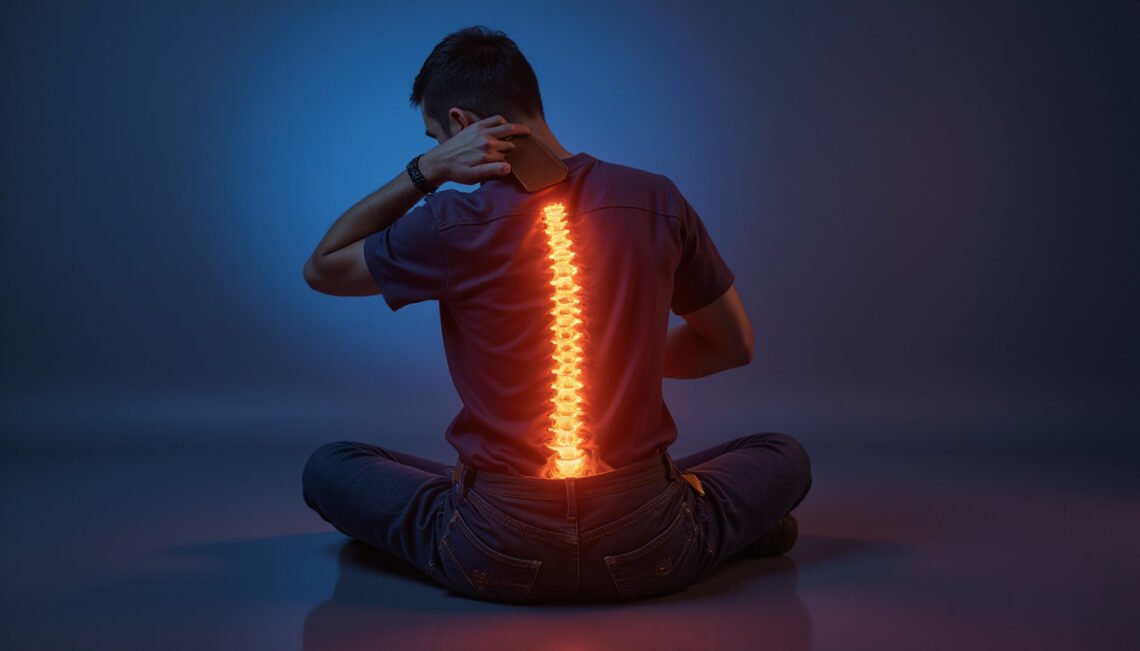
If you keep a thick wallet in your back pocket and spend hours sitting—especially while driving—you may be dealing with wallet sciatica without realizing it. That nagging ache or shooting pain in your buttock or down your leg might not be a “mystery back problem” at all; it could be your wallet literally compressing nerves and soft tissues every time you sit.
This guide walks you through what wallet sciatica is, how to recognize it, and the simple, practical fixes you can start using today to end pain from sitting.
What Is Wallet Sciatica?
“Wallet sciatica” (sometimes called “fat wallet syndrome” or “wallet neuritis”) is irritation or compression of the sciatic nerve or nearby structures caused by sitting on a wallet in your back pocket.
Two things are happening when you sit on a wallet:
-
Direct pressure on nerves and soft tissues
- The thick wad under one buttock compresses muscles and nerves, particularly the sciatic nerve and sometimes the piriformis muscle.
-
Pelvic and spinal misalignment
- Sitting on an uneven surface tilts your pelvis to one side. Over time, this can twist your lower back, irritate spinal joints, and strain muscles that stabilize your spine.
Sciatica itself refers to pain along the sciatic nerve, which runs from your lower back through your buttocks and down each leg. Wallet sciatica is a specific, mechanical trigger for that pain—one you can often resolve with surprisingly simple changes.
Common Symptoms of Wallet Sciatica
Wallet sciatica can look a lot like “regular” sciatica, but certain clues point specifically to your wallet and sitting habits.
Typical symptoms include:
- Pain in one buttock (usually the side where you keep your wallet)
- Pain that worsens when sitting, especially on hard surfaces or while driving
- Radiating pain down the back of the thigh, sometimes into the calf or foot
- Burning, tingling, or numbness along the sciatic nerve path
- Tightness or aching in the lower back or hip
- Relief when standing or removing the wallet from your pocket
A classic pattern: you feel fine walking, but after a 20–30-minute drive or a long meeting, your “wallet side” starts to ache or burn. Remove the wallet, shift positions, and the pain eases.
How Wallet Sciatica Differs From Other Sciatic Pain
Not all sciatic pain comes from your wallet. Understanding the difference helps you know whether simple lifestyle fixes are enough or if you should see a doctor.
Wallet sciatica tends to:
- Start or worsen after you began routinely carrying a wallet in your back pocket
- Be one-sided, almost always on the wallet side
- Improve quickly when you stop sitting on your wallet
- Show up more when sitting than when lifting, bending, or twisting
By contrast, disc-related sciatica or spinal stenosis often:
- Flares with bending, lifting, or prolonged standing
- May affect both legs (though it can be one-sided)
- Comes with back stiffness, reduced range of motion, or pain with coughing/sneezing
If your symptoms line up with your wallet habit and change when you stop sitting on it, that’s a strong sign wallet sciatica is a major part of the problem.
Why a Back-Pocket Wallet Causes So Much Trouble
It doesn’t seem like something as small as a wallet should cause such intense pain, but over time, the mechanics add up.
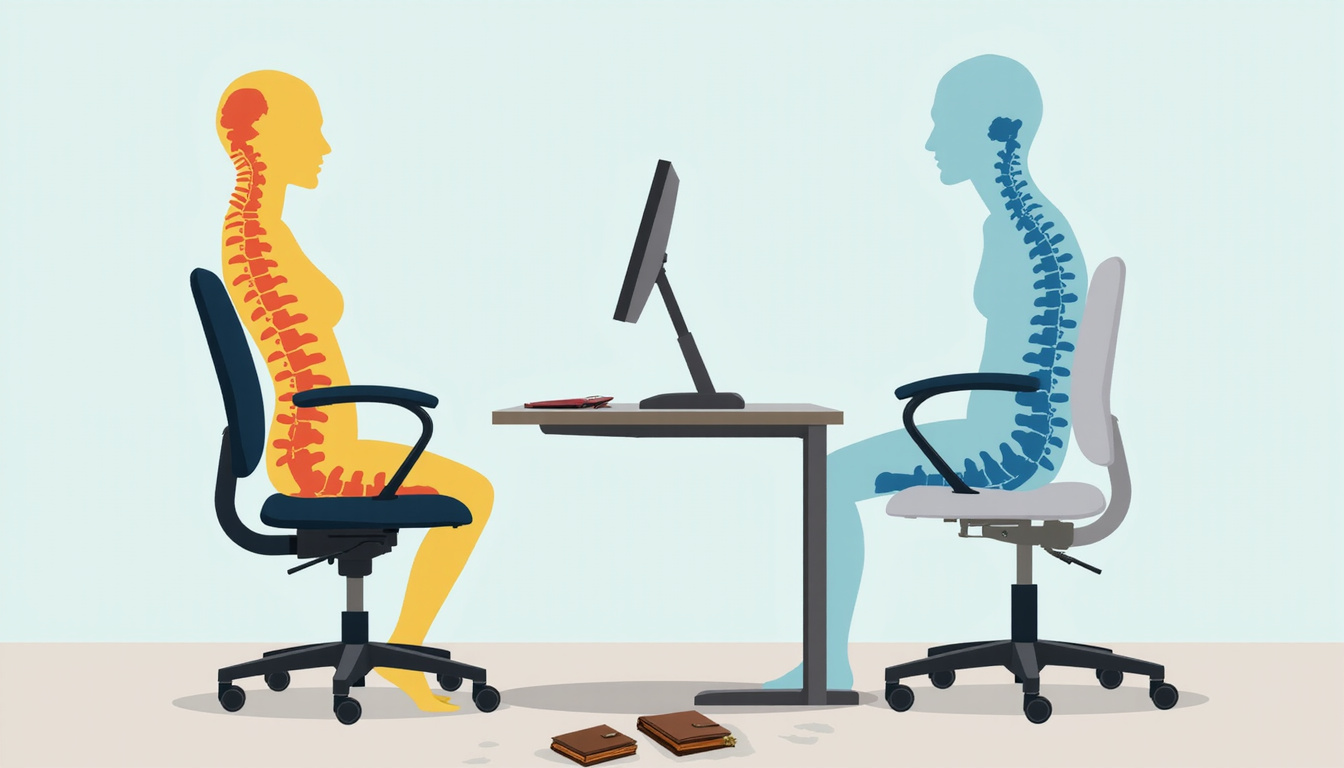
1. Pelvic Tilt and Spinal Rotation
Sitting on a wallet even half an inch thick raises one side of your pelvis. Your spine above it tries to compensate to keep your head level. That leads to:
- Uneven pressure on the discs in your lower back
- Chronic muscle tension on one side
- Irritation of facet joints and surrounding ligaments
Day after day—commute after commute—that asymmetry can make one side of your lower back and hip chronically irritated and inflamed.
2. Direct Compression of the Sciatic Nerve
The sciatic nerve runs deep in the buttock, under or through the piriformis muscle (depending on your anatomy). A bulky wallet can:
- Compress the nerve against deeper structures
- Irritate the piriformis muscle, which then tightens and squeezes the nerve (similar to piriformis syndrome)
- Restrict blood flow to tissues in the area, making them more sensitive and slow to recover
Research suggests mechanical compression and inflammation are key drivers of sciatic pain, regardless of the exact source (disc, muscle, or direct pressure) (source: Mayo Clinic – Sciatica).
Simple Everyday Fixes to Stop Wallet Sciatica
For many people, changing how and where you carry your wallet is enough to significantly reduce or even eliminate pain. Start here.
1. Stop Sitting on Your Wallet—Completely
This is the single most important step.
- Never sit with a wallet in your back pocket—not at your desk, in the car, at restaurants, or on the couch.
- Make it a habit: when you sit, take the wallet out and place it on the table, in a bag, or in a jacket pocket.
Even if your pain has been going on for years, removing that constant compression can give irritated tissues a chance to recover.
2. Slim Down Your Wallet
A thick wallet is almost guaranteed to cause problems if it ends up under you, even occasionally.
- Clear out:
- Old receipts
- Extra cards you rarely use
- Coins and keys
- Consider:
- A minimalist front-pocket wallet or card holder
- A money clip for cash
- Using digital versions of loyalty and membership cards
Aim for a wallet that’s flat and light—something that doesn’t create a noticeable lump in any pocket.
3. Switch to Front-Pocket or Bag Carry
Front pockets distribute weight more evenly and don’t interfere with your pelvis when sitting.
Options:
- Carry your wallet in a front pants pocket
- Use a crossbody bag, sling, or small backpack
- Keep essentials (ID, 1–2 cards, some cash) in a very slim card holder for your front pocket and store the rest at home or in a bag
The key aim is no bulky objects between your body and the chair when you sit.
Sitting Smarter: Posture and Setup
Fixing wallet sciatica isn’t just about the wallet. How you sit also matters, especially at work and on the road.
1. Adjust Your Chair
- Seat height: Feet flat on the floor, hips slightly higher than knees.
- Back support: Maintain the natural curve in your lower back with a built-in lumbar support or rolled towel.
- Seat depth: You should be able to fit 2–3 fingers between the back of your knees and the chair edge.
2. Balance Your Weight
- Sit with your weight evenly distributed on both sitting bones.
- Avoid:
- Perching on one hip
- Crossed legs for long periods
- Leaning consistently to one side for mouse or phone use
3. Micro-Breaks and Movement
Prolonged sitting alone can aggravate sciatica, with or without a wallet.
- Every 30–45 minutes, stand up and walk for 1–3 minutes.
- Do a few gentle:
- Back extensions (hands on hips, gently arch backward)
- Hip circles
- Shoulder rolls
These small resets reduce pressure on discs and nerves and help break the cycle of pain.
Helpful Stretches and Exercises for Wallet Sciatica
Once you remove the aggravating factor (the wallet), targeted movement can speed up recovery and keep symptoms away.
Always move gently and stop if pain sharply increases.
1. Figure-4 Piriformis Stretch
- Sit in a chair, feet flat.
- Cross the ankle of your affected leg over the opposite knee (like a figure 4).
- Keeping your back straight, gently lean forward until you feel a stretch in the buttock.
- Hold 20–30 seconds, repeat 2–3 times per side.
2. Seated Sciatic Nerve Glide
- Sit tall, feet flat.
- Straighten the affected leg so your heel is on the floor, toes pointing up.
- Gently flex your foot (toes toward you) while lifting your chest; then relax.
- Move slowly, 10–15 repetitions, staying below the pain threshold. This helps the nerve move more freely.
3. Core and Hip Strengthening
Stronger muscles around your spine and hips help keep you aligned and reduce strain.
Useful exercises (3–4 times per week):
- Bridges (lying on your back, lifting hips)
- Clamshells (side-lying, knees bent, lifting top knee)
- Dead bug variations (for core control)
You don’t need a full gym routine; consistency with a few basic exercises can make a big difference.
When to See a Professional About Wallet Sciatica
Even wallet sciatica can sometimes blend with or reveal deeper issues. Seek medical advice if:
- Pain persists despite:
- Avoiding back-pocket wallets
- Improving your sitting posture
- Doing gentle stretches for a few weeks
- You experience:
- Progressive weakness in the leg or foot
- Loss of bladder or bowel control
- Severe, unrelenting pain that disrupts sleep or daily activities
- Numbness in the groin or “saddle” area
These can signal a more serious spinal condition that needs prompt evaluation.
A physical therapist, chiropractor, or spine specialist can:
- Confirm whether your pain is truly wallet-related
- Identify posture or movement issues
- Create a tailored exercise and treatment plan
Preventing Wallet Sciatica From Coming Back
Once you’ve calmed your symptoms, prevention is straightforward and highly effective.
Make these habits automatic:
- Never carry a thick wallet in your back pocket
- Regularly clean out and slim down your wallet
- Use front pockets or bags instead of back pockets
- Take frequent sitting breaks, especially during long drives or desk work
- Maintain good posture with your weight evenly on both hips
- Keep up a simple routine of hip and core exercises
Over time, your body will adapt to this healthier “default,” reducing your chances of flare-ups.
FAQ: Wallet Sciatica and Related Questions
1. What is “fat wallet syndrome” and how is it related to wallet sciatica?
“Fat wallet syndrome” is an informal term for the same issue as wallet sciatica—sciatic nerve irritation from sitting on a thick wallet in the back pocket. The extra bulk elevates one side of your pelvis, compresses nerves and muscles in the buttock, and can trigger sciatic-type pain down the leg.
2. Can a wallet in the back pocket cause sciatica-like leg pain?
Yes. A back-pocket wallet can cause sciatica-like leg pain by compressing the sciatic nerve directly or irritating nearby structures like the piriformis muscle. If your symptoms worsen when sitting (especially on your wallet) and improve when you remove it, wallet sciatica is a strong possibility.
3. How long does it take wallet sciatica pain to go away after changing habits?
For many people, wallet sciatica improves within a few days to a few weeks after:
- Stopping the habit of sitting on a wallet
- Adjusting sitting posture
- Adding gentle stretches and movement
If pain hasn’t noticeably improved after 4–6 weeks of consistent changes—or if it’s getting worse—see a healthcare provider to rule out other causes.
Take Control of Your Pain From Sitting—Starting Today
If you’ve been battling buttock or leg pain and you routinely sit on a back-pocket wallet, you may be dealing with wallet sciatica—a frustrating but highly fixable problem. The solution doesn’t require fancy equipment or major lifestyle overhauls. It starts with one simple decision: stop sitting on your wallet and give your body a chance to function in better alignment.
From there, small upgrades to how you sit, how often you move, and how you carry your essentials can add up to major relief.
Don’t wait for the next painful commute or long meeting to remind you something needs to change. Today, empty and slim down your wallet, move it to your front pocket or bag, and commit to a few daily stretches. If your pain is stubborn or severe, reach out to a qualified healthcare provider or physical therapist and tell them you suspect wallet sciatica—they can help you confirm the cause and guide you back to pain-free sitting, walking, and living.