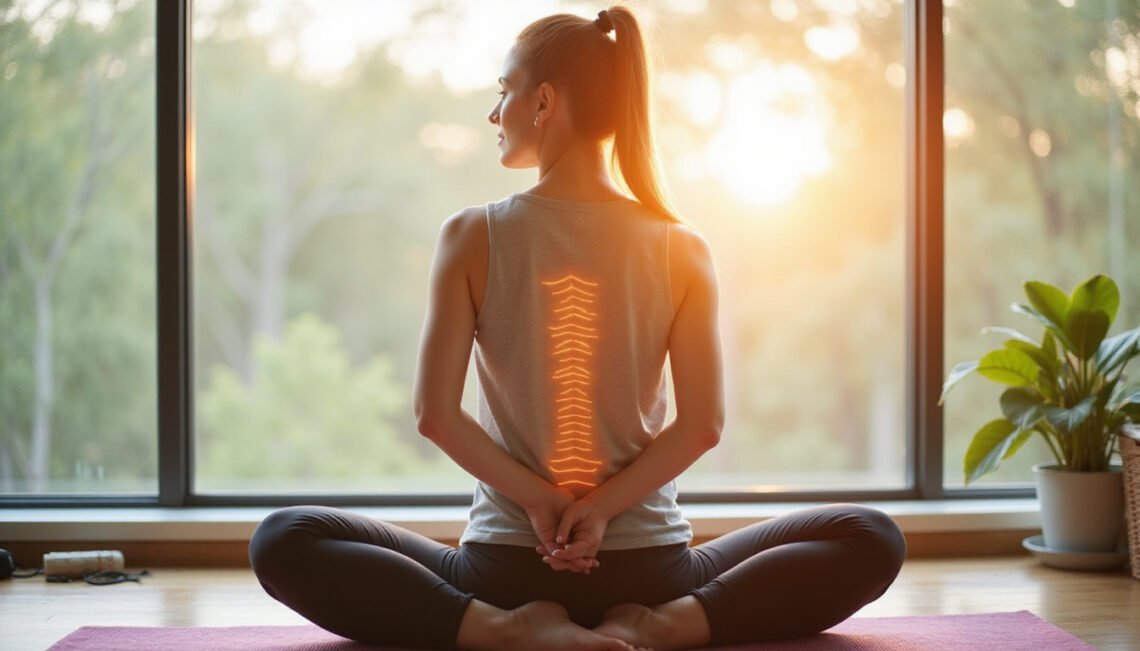
Unilateral sciatica – when sciatic nerve pain affects just one side of your lower back, hip, and leg – can be sharp, burning, and downright disruptive. The good news: many people can calm the pain and improve function with non-surgical, home-based strategies, especially when started early and done consistently.
Below you’ll find eight evidence-informed, home treatments you can use to relieve unilateral sciatica, plus tips on when to see a professional and how to prevent flare-ups.
What is unilateral sciatica?
Unilateral sciatica refers to sciatic nerve–related pain affecting only one side of the body. It typically:
- Starts in the lower back or buttock
- Shoots, burns, or aches down the back of one thigh
- May travel into the calf, foot, or toes
- Can be accompanied by tingling, “pins and needles,” or numbness
Common causes include:
- Lumbar disc herniation (a “slipped disc”) on one side
- Spinal stenosis or narrowing of nerve passageways
- Piriformis syndrome (tight buttock muscle irritating the sciatic nerve)
- Joint or muscle imbalances in the pelvis and lower back
Most cases improve without surgery, especially when you stay reasonably active and use targeted, conservative care (source: American Association of Neurological Surgeons).
1. Start with gentle movement, not strict bed rest
When unilateral sciatica flares, the instinct is often to lie still. Short rest (a day or two) can be fine, but prolonged bed rest usually makes pain, stiffness, and weakness worse.
Why light movement helps
Gentle movement:
- Increases blood flow and nutrients to irritated tissues
- Prevents joint stiffness and muscle deconditioning
- Helps reduce nerve sensitivity over time
Aim for:
- Short walks around your home every 1–2 hours while you’re awake
- Light household tasks, as tolerated
- Avoiding long periods (over 30–45 minutes) in any single position
If walking hurts, try walking on flat, even surfaces for just 3–5 minutes at a time and increase gradually as symptoms allow.
2. Use targeted stretches to reduce nerve and muscle tension
Tight muscles and stiff joints can compress or irritate the sciatic nerve on one side. Daily stretching can gradually open space around the nerve and ease unilateral sciatica.
A simple stretch routine (2–3 times daily)
Always move slowly and stop if pain spikes, spreads, or causes new numbness/weakness.
-
Knee-to-chest stretch (for low back)
- Lie on your back, knees bent, feet flat.
- Gently pull the knee of the painful side toward your chest.
- Hold 20–30 seconds, repeat 2–3 times.
-
Figure-4 piriformis stretch
- Lie on your back, knees bent.
- Cross the ankle of the painful side over the opposite thigh (like a “4”).
- Reach through and pull the uncrossed leg toward your chest until you feel a stretch in the buttock of the painful side.
- Hold 20–30 seconds, repeat 2–3 times.
-
Hamstring stretch (on a step or low chair)
- Place the heel of the painful side on a low step or chair.
- Keep the knee slightly bent and back straight.
- Gently lean forward from the hips until you feel a stretch at the back of the thigh.
- Hold 20–30 seconds, repeat 2–3 times.
Consistency is more important than intensity. Mild pulling is okay; sharp or electric pain is not.
3. Try nerve “flossing” exercises (with caution)
Sciatic nerve “glides” or “flossing” are gentle movements designed to mobilize the nerve without aggressive stretching. They can help unilateral sciatica by reducing nerve adhesions and sensitivity.
Basic sciatic nerve glide
- Sit tall in a chair with both feet on the floor.
- On the painful side:
- Slowly straighten your knee while flexing your foot (toes toward you) as you gently look up.
- Then bend the knee back down while pointing your toes and gently looking toward your lap.
- Move in a smooth, controlled manner for 10–15 repetitions.
- Stop if symptoms worsen, become sharp, or radiate further.
Use nerve glides only if they feel like a “stretchy” or mild nerve pull that eases when you stop. If they escalate pain, they’re not appropriate at this time.
4. Use heat and cold strategically
Both heat and ice can support pain control for unilateral sciatica, but they work differently. Many people benefit from alternating the two.
When to use cold
Cold can:
- Reduce inflammation in the early stages (first 48–72 hours of a flare)
- Numb sharp or burning pain
How to use:
- Apply a cold pack (wrapped in a thin towel) to the painful lower back or buttock for 10–15 minutes.
- Repeat up to 3–4 times daily, with at least an hour between sessions.
When to use heat
Heat can:
- Relax tight muscles around the sciatic nerve
- Improve blood flow and comfort
How to use:
- Apply a warm (not hot) heating pad or warm compress to the lower back or buttock for 15–20 minutes.
- Use before stretching or light exercise to help muscles loosen.
Some people find alternating heat and cold (10–15 minutes each) helpful. Always protect your skin with a barrier and avoid sleeping with a heating pad.
5. Optimize your sitting and sleeping positions
Because unilateral sciatica affects just one side, certain postures can load that side more and worsen irritation. Small changes in how you sit and sleep can make a noticeable difference.
Better sitting habits
- Use a firm, supportive chair rather than soft couches.
- Keep hips slightly higher than knees (you can sit on a cushion).
- Avoid crossing your legs, especially crossing the painful leg over the other.
- Sit back so your lower back is supported; you can roll a small towel and place it behind the curve of your lower back.
- Stand up and move for a few minutes at least every 30–45 minutes.
Sleeping positions for unilateral sciatica
- Side-sleeping (often best):
- Lie on the non-painful side.
- Place a pillow between your knees to keep hips aligned.
- Back-sleeping:
- Place a pillow under your knees to reduce pressure on the lower back.
Avoid sleeping on your stomach, which can twist the lower back and aggravate the irritated nerve.
6. Build core and hip strength to support your spine
Weak core and hip muscles can force the spine and discs to absorb more stress, contributing to sciatic irritation on one side. Once your pain is reasonably controlled (usually after the worst of the flare passes), begin gentle strengthening.
Simple strengthening exercises (3–4 times per week)
Perform 1–2 sets of 8–12 repetitions each, as tolerated.
-
Pelvic tilts
- Lie on your back with knees bent.
- Gently flatten your lower back into the floor by tightening your abdominal muscles.
- Hold 5 seconds, relax.
-
Glute bridges
- From the same starting position, tighten your buttocks and lift your hips until your body forms a straight line from shoulders to knees.
- Hold 3–5 seconds, lower slowly.
-
Clamshells (for hip stability)
- Lie on the non-painful side, hips and knees bent, feet together.
- Keeping feet together, lift the top knee slightly (like opening a clamshell), then lower.
- You should feel this in the buttock/side hip area, not your back.
Gradually, this kind of strength work reduces load on the irritated structures and can decrease the recurrence of unilateral sciatica episodes.
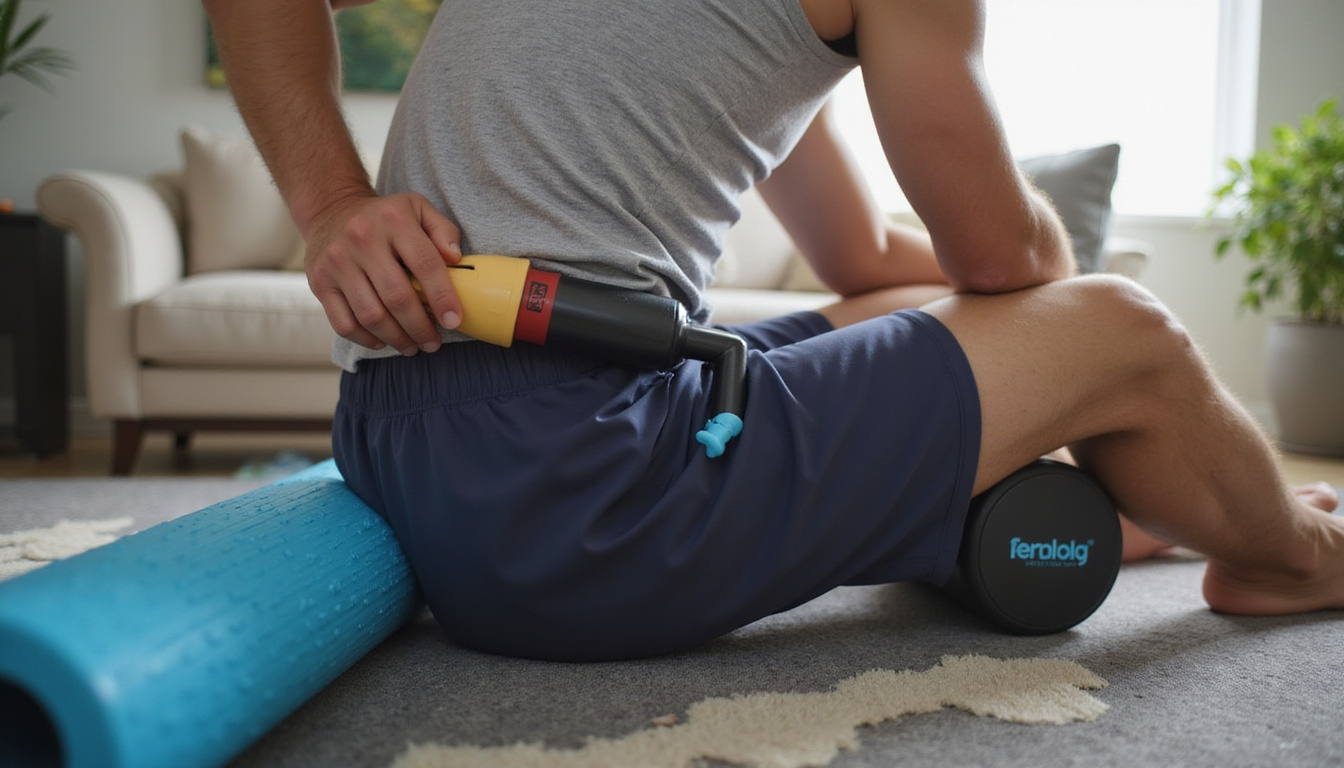
7. Consider over-the-counter medications and topical options
Medication won’t fix the underlying cause, but it can help you stay active enough to use the other home treatments effectively. Always check with your healthcare provider first, especially if you have other medical conditions or take regular medications.
Common options include:
- NSAIDs (non-steroidal anti-inflammatory drugs) such as ibuprofen or naproxen to reduce pain and inflammation.
- Acetaminophen for pain control if NSAIDs are not appropriate.
- Topical creams or gels containing menthol, capsaicin, or NSAIDs to provide localized relief without affecting the entire body as much.
Use the lowest effective dose for the shortest feasible time, and never exceed package directions unless a medical professional instructs you otherwise.
8. Adjust daily habits to reduce flare-ups on the painful side
Small, daily habits can either irritate or protect the sciatic nerve. When you have unilateral sciatica, focus on offloading the affected side and moving more evenly.
Key habits to work on:
-
Lifting technique
- Bend at the hips and knees rather than rounding your back.
- Hold objects close to your body.
- Avoid twisting while lifting; turn your whole body instead.
-
Weight distribution
- Avoid standing with your weight mostly on one leg (especially the painful side).
- When standing still, keep feet hip-width apart and weight evenly balanced.
-
Footwear
- Choose supportive shoes with cushioned soles.
- Limit time in high heels or completely flat, unsupportive footwear.
-
Activity pacing
- Break big tasks (like cleaning or yard work) into segments with short breaks.
- Don’t wait until your pain is severe; take small breaks as soon as you notice tension building.
Over time, these changes help reduce repeated strain and allow irritated tissues to heal more fully.
When unilateral sciatica needs medical attention
Most unilateral sciatica episodes improve within a few weeks to a few months with consistent home care. However, you should seek prompt medical evaluation if you notice:
- Significant weakness in the leg or foot (e.g., foot dropping or dragging)
- Loss of control of bladder or bowel
- Numbness in the groin or “saddle” region
- Sudden, severe pain after a fall, accident, or heavy lift
- Fever, unexplained weight loss, or night sweats along with back/leg pain
- Pain that steadily worsens over several weeks despite home treatment
These can be signs of a more serious condition that may need urgent or specialized care.
Practical daily plan for home-based unilateral sciatica relief
To make this more actionable, here’s how you might structure a day during a mild-to-moderate flare:
-
Morning
- 5–10 minutes of gentle heat on the lower back or buttock
- Short stretching routine (knee-to-chest, figure-4, hamstring)
- Brief walk (5–10 minutes) on flat ground
-
Midday
- Sciatic nerve glide exercises (if tolerated)
- Check sitting posture and adjust your chair/workstation
- Another short walk or light movement break
-
Afternoon/evening
- Strength exercises (pelvic tilts, bridges, clamshells) if pain allows
- Apply cold or heat, depending on what helps more
- Gentle stretching before bed and set up a supportive sleeping position
This combination, repeated consistently, gives many people meaningful relief without surgery.
FAQ about unilateral sciatica and home treatment
1. How long does unilateral sciatica take to heal with conservative treatment?
For many people, unilateral sciatica improves significantly within 4–6 weeks of consistent, conservative care. Mild cases may ease within days; more stubborn cases can take several months, especially if there’s a larger disc herniation or longstanding muscle imbalance. If there’s no improvement at all after 6–8 weeks, a professional evaluation is important.
2. Can unilateral sciatic nerve pain go away on its own without surgery?
Yes. A large portion of unilateral sciatic nerve pain episodes resolve without surgery. Disc material can shrink over time, inflammation can decrease, and the body often adapts. Staying active, stretching, strengthening, and modifying daily habits greatly increase the chance that unilateral sciatica will improve on its own.
3. What exercises should I avoid with one-sided sciatica?
In the early stages of unilateral sciatica, it’s best to avoid heavy lifting, deep forward bending with twisting (like touching your toes and rotating), high-impact activities (running, jumping), and intense hamstring stretching that causes sharp, shooting pain. As symptoms improve, you can gradually reintroduce activities with guidance from a professional if needed.
Take the next step toward less pain and more control
You don’t have to live at the mercy of unilateral sciatica. By combining gentle movement, targeted stretching, smart posture changes, strength building, and sensible pain control, many people dramatically reduce pain and avoid surgery altogether.
Start with two or three strategies from this guide today—such as short walks, simple stretches, and better sitting posture—and build from there as your symptoms allow. If you’re unsure how to tailor these home treatments to your specific situation, or your pain isn’t improving, consider consulting a physical therapist or spine specialist who can create a personalized plan.
Your next move—a short walk, a gentle stretch, a small change in how you sit—can be the beginning of lasting relief from unilateral sciatica.