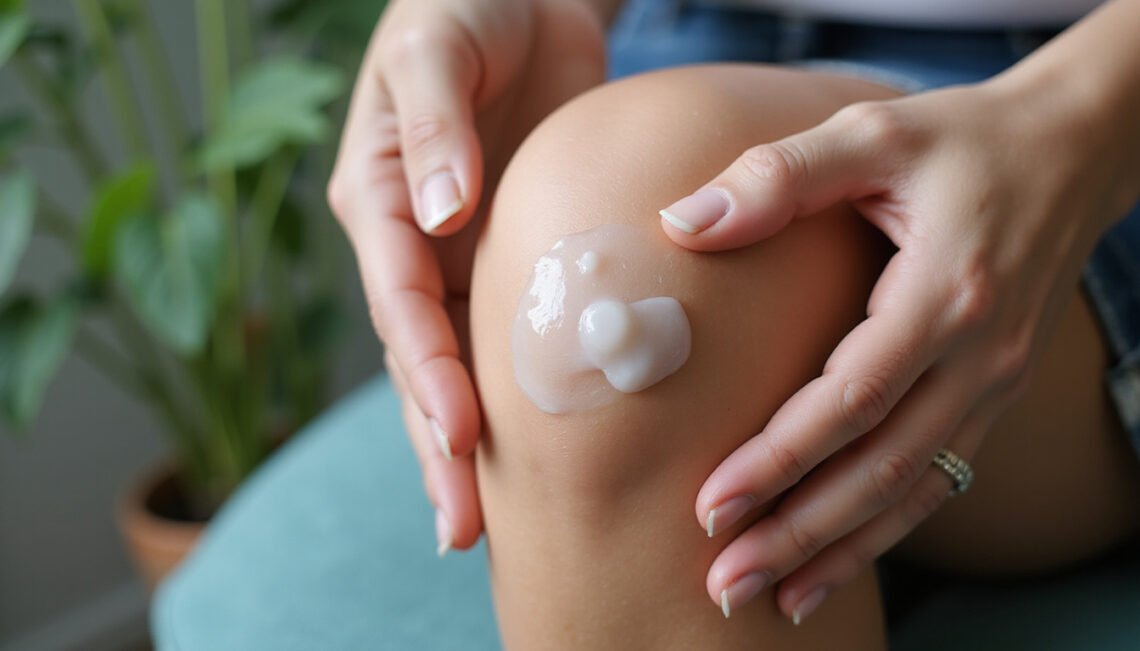
Topical Analgesics: How to Choose and Use for Immediate Relief
Topical analgesics are a go-to option for many people who want fast, targeted pain relief without taking a pill. Whether you’re dealing with a sore knee after a run, a stiff neck from working at a desk, or arthritis in your hands, these products can be an effective part of your pain-management toolkit when used correctly.
This guide explains what topical analgesics are, how they work, the different types available, how to choose the right one for your situation, and how to use them safely for immediate relief.
What Are Topical Analgesics?
Topical analgesics are pain-relief medications applied directly to the skin over painful muscles, joints, or nerves. Instead of traveling through your entire system as oral painkillers do, they work locally at or near the application site.
They come in many forms, including:
- Creams
- Gels
- Ointments
- Sprays
- Patches
- Roll-ons
Because they act where they’re applied, topical pain relievers can reduce the need for oral nonsteroidal anti-inflammatory drugs (NSAIDs) or other systemic medications, which may lower the risk of whole-body side effects like stomach upset or drowsiness.
How Do Topical Pain Relievers Work?
Different topical analgesics work through different mechanisms. Some directly reduce inflammation, others interrupt pain signals, and some simply create sensations (cooling or heating) that distract the brain from pain.
The most common categories include:
-
Topical NSAIDs (e.g., diclofenac)
- Reduce inflammation in muscles and joints.
- Helpful for osteoarthritis, sprains, and strains.
- Penetrate through the skin to reach underlying tissues with less systemic absorption than oral NSAIDs.
-
Counterirritants (menthol, camphor, methyl salicylate)
- Create cooling or warming sensations.
- “Distract” the nervous system from deeper pain.
- Found in many familiar over-the-counter pain creams and gels.
-
Local anesthetics (lidocaine, benzocaine)
- Numb the skin and sometimes superficial nerves.
- Useful for nerve pain, minor burns, shingles-related pain, or localized surface pain.
-
Capsaicin creams and patches
- Derived from chili peppers.
- Deplete “substance P,” a neurotransmitter that carries pain signals.
- Often used for nerve pain and some chronic pain conditions; require consistent use.
-
Combination products
- May blend NSAIDs, counterirritants, or anesthetics.
- Designed to provide layered mechanisms of relief (e.g., anti-inflammatory plus cooling).
Understanding these categories helps you match the product to the type and cause of your pain.
Types of Pain Topical Analgesics Can Help
Topical analgesics are not magic cures, but they can be very effective for certain conditions, especially when part of a broader treatment plan (exercise, physical therapy, ergonomics, and weight management).
Common uses include:
-
Muscle strains and sprains
Mild sports injuries, pulled muscles, or overuse soreness. -
Joint pain and osteoarthritis
Knees, hands, and other superficial joints respond well to topical NSAIDs in particular. Clinical guidelines often recommend them as first-line treatment for knee and hand osteoarthritis (source: Arthritis Foundation). -
Tendon and ligament pain
Conditions like tennis elbow or mild tendonitis near the skin’s surface. -
Back and neck pain (mild to moderate)
Especially muscular pain or spasm; deep spine issues may be less responsive. -
Neuropathic pain
Postherpetic neuralgia (post-shingles), localized nerve pain, or diabetic neuropathy may benefit from lidocaine or capsaicin products, often under medical guidance. -
Minor aches from daily activities
Stiffness from prolonged sitting, gardening, or housework.
For deep, severe, or unexplained pain, a topical product alone is not enough—you should seek medical evaluation.
How to Choose the Right Topical Analgesic
Selecting the best product from a crowded pharmacy shelf can be confusing. Use these steps to narrow your options.
1. Identify the Type and Source of Pain
Ask yourself:
- Is the pain muscular, joint-related, or likely nerve-related?
- Is it acute (new injury) or chronic (ongoing)?
- Is the painful area close to the skin (knee, elbow, hands) or deep (hips, low back spine)?
General guidance:
- Joint pain/arthritis near the surface – Consider topical NSAIDs.
- Muscle soreness and minor strains – Counterirritants or NSAIDs can help.
- Localized nerve pain or burning – Lidocaine or capsaicin may be appropriate.
2. Consider Your Medical History
Topical analgesics have fewer systemic effects than oral medications, but they’re not risk-free.
- If you have stomach ulcers, kidney disease, heart disease, or are on blood thinners, it’s especially important to talk to a healthcare professional before using topical NSAIDs.
- If you have sensitive skin, eczema, or allergies, you may be more prone to irritation from menthol, camphor, or capsaicin.
- For pregnancy, breastfeeding, or use in children, always check with a healthcare provider first.
3. Match the Form to Your Lifestyle
Different formats may suit different body areas and routines:
- Gels and creams – Good for most body parts; absorb fairly quickly.
- Ointments – Greasier but can be more moisturizing on dry or cracked skin.
- Patches – Convenient for long-lasting application (often 8–12 hours); helpful on backs or larger joints.
- Roll-ons and sprays – Less mess; convenient for hard-to-reach areas, like between the shoulder blades.
4. Read the Label Carefully
Look for:
- Active ingredients and strengths – To avoid accidental overuse or duplication.
- Warnings and contraindications – Heart disease, allergies, drug interactions.
- Usage directions and maximum daily dose – Adhering to these is key for safety.
How to Use Topical Analgesics Safely and Effectively
Correct application matters just as much as choosing the right product. Misuse can reduce effectiveness or increase risk.

Basic Application Steps
-
Clean and dry the skin
- Remove oils, sweat, or other products.
- Pat dry; don’t apply to damp or broken skin (unless label specifically allows for minor cuts/burns).
-
Apply a thin, even layer
- Use only the recommended amount.
- Gently rub it in, unless the instructions say to leave it on the surface (some patches and films).
-
Wash your hands
- Immediately after application—especially crucial with capsaicin or menthol products to avoid getting them in your eyes, nose, or mouth.
-
Allow it to absorb
- Wait a few minutes before covering with clothing.
- For patches, make sure edges are well-adhered.
-
Follow the timing instructions
- Respect the specified frequency (e.g., every 4–6 hours) and daily maximum.
Common Mistakes to Avoid
- Mixing multiple topical analgesics on the same area without medical advice.
- Using heat sources (heating pads, hot water bottles, tight wraps) over products, especially those containing menthol, methyl salicylate, or capsaicin—this can cause burns or excessive absorption.
- Applying to broken, irritated, or infected skin (unless specifically indicated, like certain burn creams).
- Using large amounts over large body areas for prolonged periods, which can raise systemic absorption.
- Ignoring persistent or worsening pain, which may signal an underlying condition needing diagnosis.
Pros and Cons of Topical Analgesics
To decide if these products fit your needs, weigh the benefits and limitations.
Advantages
- Targeted, localized relief
- Lower risk of systemic side effects compared with many oral pain medications
- Available over the counter for many options
- Useful for people who can’t tolerate oral NSAIDs or certain pain pills
- Can be combined with non-drug strategies (ice, stretching, physical therapy)
Limitations
- May not reach deep structures as effectively, such as hip joints or deep spinal pain
- Often provide temporary relief, not a cure for underlying causes
- Some people experience skin irritation, redness, or allergic reactions
- Certain products (especially NSAIDs or salicylate-based creams) still carry some systemic risk if overused
Use them as one part of a comprehensive pain-management plan rather than the only solution.
When to Talk to a Healthcare Professional
Self-care has limits. Contact a doctor, pharmacist, or other health professional if:
- Pain is severe, unexplained, or sudden.
- Pain does not improve after 7–10 days of using topical products.
- You notice significant swelling, deformity, numbness, or weakness.
- There are signs of infection at the site (redness, warmth, pus, fever).
- You are pregnant, breastfeeding, elderly, have chronic illness, or take multiple medications.
- You plan to use prescription-strength topical NSAIDs or high-concentration capsaicin.
A professional can help determine if a topical analgesic is appropriate, recommend specific products, and detect conditions that require imaging, blood tests, or other care.
Practical Tips for Everyday Use
To get consistent, safe relief from topical analgesics, build good habits:
- Start low and go slow – Begin with a small amount or lower strength; increase only as needed within label limits.
- Track what works – Note which product, how often, and how effective it is; this helps you and your provider fine-tune your plan.
- Combine with lifestyle strategies – Stretching, strengthening exercises, ergonomic adjustments, and weight management often enhance the benefits of topical pain relief.
- Store products safely – Keep out of reach of children and pets; many products smell pleasant but can be harmful if swallowed.
Quick Checklist: Choosing a Topical Analgesic
Use this list as a simple decision aid:
- [ ] I know the likely cause and type of pain (muscle, joint, nerve).
- [ ] I’ve checked my medical conditions and medications for possible conflicts.
- [ ] I’ve selected the right category (NSAID, counterirritant, anesthetic, capsaicin) for my need.
- [ ] I understand how often I can apply it and for how long.
- [ ] I know where not to apply it (broken skin, eyes, mucous membranes).
- [ ] I will stop and seek help if pain persists or side effects occur.
FAQ About Topical Pain Relievers
1. Are topical pain relievers safer than oral painkillers?
Topical pain relievers generally have fewer whole-body side effects because less medication enters the bloodstream. However, topical analgesics can still cause problems—especially with overuse, certain health conditions, or allergies. It’s important to follow the label and consult a healthcare professional if you have chronic illnesses, take blood thinners, or use them regularly.
2. Can I use topical analgesic creams with oral pain medication?
In many cases, topical analgesic creams can be used alongside oral medications like acetaminophen. Combining them with oral NSAIDs (such as ibuprofen or naproxen) may increase total NSAID exposure, so this should be done only with medical advice. Always discuss your full medication list with a provider to avoid interactions or overdose.
3. Do over-the-counter topical pain relief products really work for arthritis?
Yes, for some people with osteoarthritis—especially in knees and hands—over-the-counter topical pain relief, particularly topical NSAIDs, can significantly reduce pain and improve function. They may be less effective for deep joints like hips. If your arthritis symptoms are severe or not improving, a clinician can recommend stronger or prescription topical analgesics or additional treatments.
Take the Next Step Toward Better Pain Control
Topical analgesics offer a valuable, targeted way to ease day-to-day aches, joint pain, and some nerve-related discomfort—often with fewer systemic side effects than oral medications. By understanding the different types, choosing the right product for your specific pain, and using it correctly, you can get more immediate and meaningful relief.
If pain is limiting your sleep, work, or favorite activities, don’t just reach blindly for whatever cream is on the shelf. Take a moment to assess your symptoms, then speak with your pharmacist or healthcare provider about which topical option fits your needs and medical history. With the right guidance, you can build a personalized pain-relief plan—using topical analgesics as a smart, effective tool to help you move more comfortably every day.