Nerve Tethering: Symptoms, Causes, and Breakthrough Treatments to Try
Nerve tethering is an often-overlooked cause of chronic pain, weakness, and strange pulling sensations that don’t show up clearly on standard tests. Whether it follows a surgery, an injury, or develops over time without a clear trigger, nerve tethering can quietly limit your mobility and quality of life. Understanding what it is, how it starts, and what you can do about it is the first step toward relief.
Below, you’ll learn what nerve tethering really means, how to recognize it, and which modern treatments—both conservative and surgical—are making a meaningful difference.
What Is Nerve Tethering?
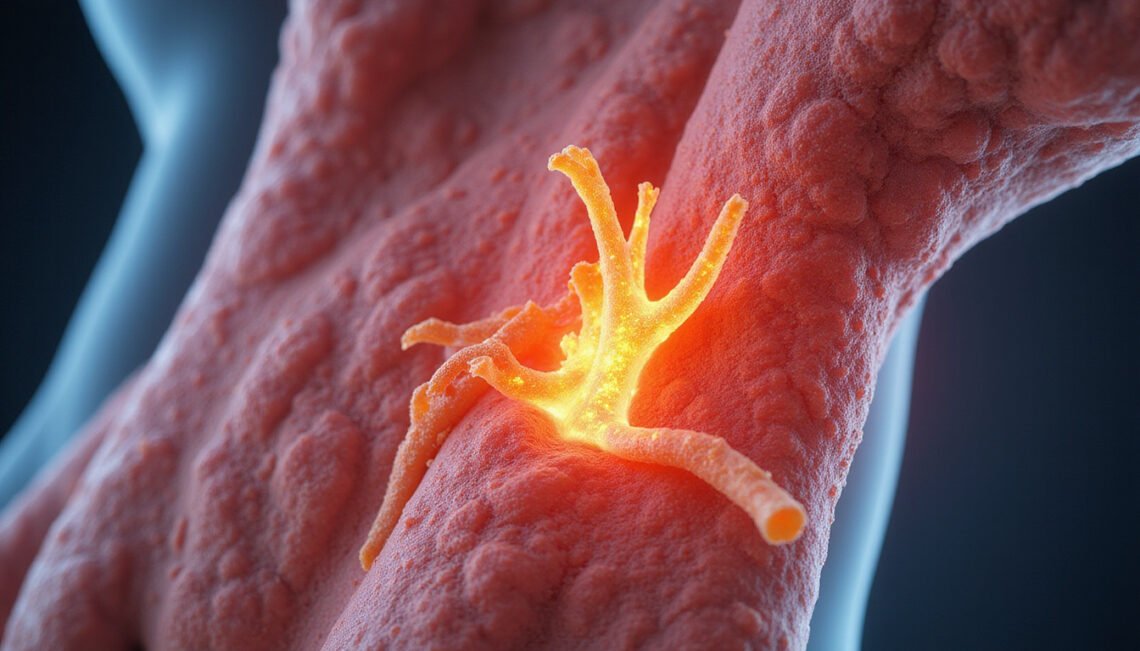
Nerve tethering occurs when a nerve becomes abnormally stuck to nearby tissue—like scar tissue, fascia, bone, or even medical hardware—so it can’t glide and stretch normally as you move.
Healthy nerves slide and glide through tunnels and between muscles with every step, reach, or twist. When they’re tethered, they get:
- Stretched too tightly in some positions
- Compressed or pinched in others
- Irritated by mechanical friction over time
This ongoing mechanical stress can lead to chronic inflammation, pain, and even nerve dysfunction.
Nerve tethering can affect almost any part of the body:
- Spine (after disc herniations or surgery)
- Legs and feet (after fractures, sprains, or knee/ankle surgeries)
- Arms and hands (after carpal tunnel release, elbow surgery, or trauma)
- Pelvic region and abdomen (after C-sections or other abdominal operations)
Common Symptoms of Nerve Tethering
Symptoms of nerve tethering often overlap with other nerve and musculoskeletal conditions, which is why it’s frequently missed or misdiagnosed. However, a few patterns can raise suspicion.
1. Pain That Changes With Position or Movement
A hallmark feature is pain that clearly worsens when you put the nerve on stretch. For example:
- Pain increases when straightening your leg, bending forward, or rotating your trunk
- Pain lessens when you curl up, bend your knee, or unload the affected area
- You feel a “pulling,” “tight cord,” or “electric” sensation along a nerve path
This positional nature often distinguishes nerve tethering from constant, dull pain coming from joints or muscles.
2. Shooting, Burning, or Electric Pain
Because nerves are involved, the pain is often:
- Burning or searing
- Sharp, stabbing, or electric
- Radiating (traveling down an arm or leg)
These sensations often follow the specific path of the involved nerve (dermatome).
3. Numbness, Tingling, or Weakness
Over time, tethered nerves may not transmit signals effectively. You may notice:
- Tingling (“pins and needles”) or numb patches on the skin
- Weakness in certain muscle groups
- Clumsiness or dropping objects
- Fatigue in the limb with relatively minor use
Neurological symptoms can fluctuate, sometimes worse after specific movements or prolonged positions (e.g., sitting, standing, or walking).
4. Pain After Surgery or Injury That Never Fully Resolved
Nerve tethering is especially common when symptoms:
- Began or worsened soon after surgery or a significant injury
- Never fully improved despite rehab
- Come with a feeling of tightness or pulling near the scar area
Surgical scars, internal scar tissue (adhesions), and hardware can all contribute to nerve entrapment and tethering.
Leading Causes of Nerve Tethering
Nerve tethering doesn’t happen overnight. It’s the result of changes in tissues surrounding the nerve over time.
Post-Surgical Scarring and Adhesions
Surgery is one of the top causes of nerve tethering. Whenever an incision is made, your body forms scar tissue as part of the healing process. In some cases, that scar:
- Extends deeper than expected
- Adheres to nearby nerves
- Limits the ability of the nerve to slide freely
Common examples:
- Spine surgery (laminectomy, discectomy, fusion)
- Carpal or cubital tunnel surgery
- Knee and hip replacements
- Abdominal and pelvic surgeries (C-section, hysterectomy, hernia repair)
Postoperative adhesions, especially in spinal surgery, are a recognized cause of “failed back surgery syndrome,” where pain persists despite structurally “successful” operations (source: NIH).
Traumatic Injury and Repeated Microtrauma
Significant injuries and even repetitive strain can lead to nerve tethering:
- Fractures near nerves (e.g., around the elbow, wrist, ankle)
- Deep lacerations or crush injuries
- Chronic overuse from sports or work that causes micro-tears and scarring in soft tissues
Over time, the healing process may bind nerves to surrounding structures.
Inflammation and Chronic Swelling
Chronic inflammation and swelling can lay the groundwork for tethering by:
- Thickening connective tissue around nerves
- Encouraging fibrotic changes
- Reducing normal tissue gliding
Conditions like diabetes, autoimmune disorders, and chronic tendinopathies can increase the risk of these changes.
Congenital or Structural Issues
In some cases, nerve tethering is related to structural or developmental conditions, such as:
- Tethered cord syndrome in the spine, where the spinal cord is abnormally attached and stretched
- Anatomical variants that create tight tunnels or abnormal pathways for nerves
These may become more symptomatic as a person grows, gains weight, or experiences injuries.
How Nerve Tethering Is Diagnosed
There is no single “nerve tethering test,” so diagnosis is usually a combination of history, physical exam, and imaging.
Detailed History and Physical Exam
A skilled clinician (often a neurologist, physiatrist, orthopedic or neurosurgeon, or specialized physical therapist) will:
- Map your pain pattern and symptom triggers
- Ask about surgeries, injuries, and medical conditions
- Perform nerve stretch tests (e.g., straight leg raise, slump test, upper limb tension tests)
- Palpate along nerve paths to look for thickened or tender spots
Symptoms that clearly worsen when a nerve is stretched or stressed often point toward tethering or entrapment.
Imaging and Specialized Studies
While standard imaging can miss nerve tethering, it may still provide helpful clues:
- MRI or MR neurography: can sometimes show nerve swelling, scar tissue, or entrapment
- Ultrasound: especially useful in peripheral nerves; dynamic ultrasound can show restricted sliding or compression
- EMG/Nerve conduction studies: can confirm nerve dysfunction, although they may be normal in mild cases
Diagnosis is often clinical—meaning it’s based on the combination of findings more than one definitive test.
Conservative Treatments for Nerve Tethering
Not all cases of nerve tethering require surgery. In many, targeted conservative care leads to meaningful relief.
1. Nerve Gliding and Flossing Exercises
A cornerstone of conservative care, nerve glides (also called neurodynamics or “nerve flossing”) use gentle, controlled movements designed to:
- Encourage the nerve to glide through its surrounding tissues
- Reduce adhesions around the nerve
- Improve blood flow and reduce sensitivity
These must be carefully prescribed and progressed to avoid irritation. Overaggressive stretching can worsen symptoms, so work with a knowledgeable physical therapist.
2. Manual Therapy and Soft Tissue Work
Specialized manual techniques can help improve tissue mobility:
- Myofascial release
- Scar mobilization and cross-friction massage
- Joint mobilization to reduce local mechanical stress
When performed correctly, these techniques can gradually free up tissues that are binding the nerve.
3. Targeted Physical Therapy
Beyond nerve glides, a complete program may include:
- Postural correction and ergonomics
- Strengthening of stabilizing muscles around the affected area
- Gait retraining and movement pattern correction
- Gentle aerobic conditioning (which supports nerve health and circulation)
The goal is to reduce mechanical strain on the affected nerve in everyday activities.
4. Medications and Injections
To manage pain and inflammation while healing progresses, your clinician may suggest:
- Anti-inflammatory medications (NSAIDs) where appropriate
- Neuropathic pain medications (e.g., gabapentin, pregabalin, duloxetine)
- Local anesthetic or corticosteroid injections near the involved nerve
- In some cases, image-guided hydrodissection to separate the nerve from surrounding tissue
Injections can be both diagnostic (confirming the pain source) and therapeutic.
Surgical Options for Severe Nerve Tethering
When conservative treatment fails, or when there is significant nerve dysfunction, surgery may be considered.
Neurolysis (Freeing the Nerve)
Neurolysis refers to surgically releasing a nerve from scar tissue or structures that tether it. This may involve:
- Carefully dissecting away adhesions
- Removing fibrous bands or tight fascia
- Releasing tunnels or compartments that compress the nerve
In the spine, this might involve revisiting a surgical site to free nerve roots stuck in epidural scar tissue. In limbs, it might mean releasing a nerve around an old fracture or surgical scar.

Removal or Adjustment of Hardware
If screws, plates, or other hardware are directly irritating or tethering a nerve, a surgeon may:
- Remove the hardware once bones are fully healed
- Reposition hardware
- Add protective tissue around the nerve
Advanced Microsurgical Techniques
In complex or recurrent cases, microsurgery and intraoperative neuromonitoring can be used to protect nerve function while removing adhesions as precisely as possible.
Surgery carries risks (including scar formation that could theoretically cause new tethering), so careful patient selection and post-op rehab are critical.
Breakthrough and Emerging Treatments to Watch
Research into nerve tethering and chronic pain is ongoing. Some promising or evolving approaches include:
Regenerative and Biologic Therapies
- Platelet-rich plasma (PRP) and other biologics are being studied for their potential to improve scar quality and nerve healing in certain contexts.
- Experimental use of anti-fibrotic agents aims to reduce problematic scar formation after surgery.
Improved Surgical Barriers and Techniques
Surgeons increasingly use:
- Anti-adhesion barriers or gels around nerves and spinal roots to minimize new scar tethering after surgery
- Minimally invasive approaches to limit tissue disruption and scarring
Advanced Neurodynamic Rehabilitation
Modern physical therapy increasingly incorporates:
- Sophisticated neurodynamic protocols
- Pain science education to calm hypersensitive nervous systems
- Graded exposure to movement to rebuild confidence and nerve tolerance
These combined approaches can make nerve gliding and mobility work more effective and sustainable.
Living With Nerve Tethering: Practical Tips
If you’re managing nerve tethering day to day, consider:
- Track your triggers: Note which positions and activities worsen or ease your symptoms.
- Use pacing: Alternate tasks and rest to avoid flares, especially early in treatment.
- Protect but don’t overprotect: Gentle, regular movement is usually better than strict immobilization.
- Optimize overall health: Manage blood sugar, stop smoking, and support good sleep and nutrition to improve nerve healing potential.
- Work with a team: Ideally, coordinate between your primary doctor, specialist, and physical therapist.
A collaborative, patient-centered approach tends to yield the best outcomes.
FAQ About Nerve Tethering and Related Conditions
1. What is nerve tethering syndrome, and how is it different from a pinched nerve?
Nerve tethering syndrome describes a situation where a nerve is chronically stuck to surrounding tissue and can’t glide properly, causing tension and irritation with movement. A “pinched nerve” usually refers to more direct compression at a focal point (like a disc herniation). Tethering often involves a combination of tension and mild compression along a segment of the nerve, especially with certain positions.
2. Can tethered nerves heal on their own, or do I always need surgery?
Many people with nerve tethering improve significantly without surgery. With time, well-designed nerve gliding exercises, manual therapy, and activity modification can reduce symptoms and sometimes restore near-normal function. Surgery is usually reserved for severe, persistent cases, especially when there’s significant weakness, progressive nerve damage, or failure of extended conservative treatment.
3. How is spinal nerve tethering related to back or leg pain after surgery?
Spinal nerve tethering after back surgery can occur when scar tissue forms around nerve roots, limiting their movement and causing pain with bending, sitting, or standing. This may contribute to persistent or recurrent sciatic-type pain even when imaging shows that the initial disc problem was fixed. In such cases, conservative care is tried first, and surgical neurolysis is considered only when symptoms and nerve dysfunction are significant.
Take the Next Step Toward Relief
If the pattern of your pain sounds like nerve tethering—worse in specific positions, linked to an old surgery or injury, or accompanied by tingling and weakness—don’t ignore it or assume you “just have to live with it.” Modern assessment and treatment approaches can often pinpoint tethered nerves and offer real, lasting improvement.
Start by talking with a spine, nerve, or musculoskeletal specialist and asking specifically whether nerve tethering could be part of your picture. Bring a clear history of your symptoms and past procedures, and consider working with a physical therapist experienced in neurodynamic techniques.
The sooner you pursue a targeted evaluation and a personalized treatment plan, the better your chances of calming irritated nerves, restoring mobility, and reclaiming the activities you care about.