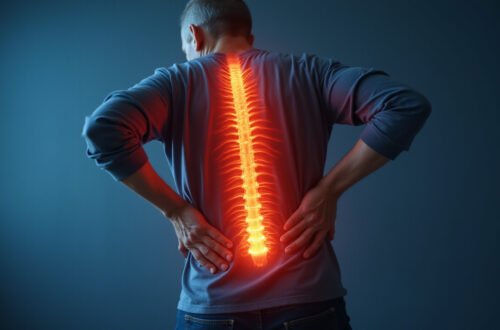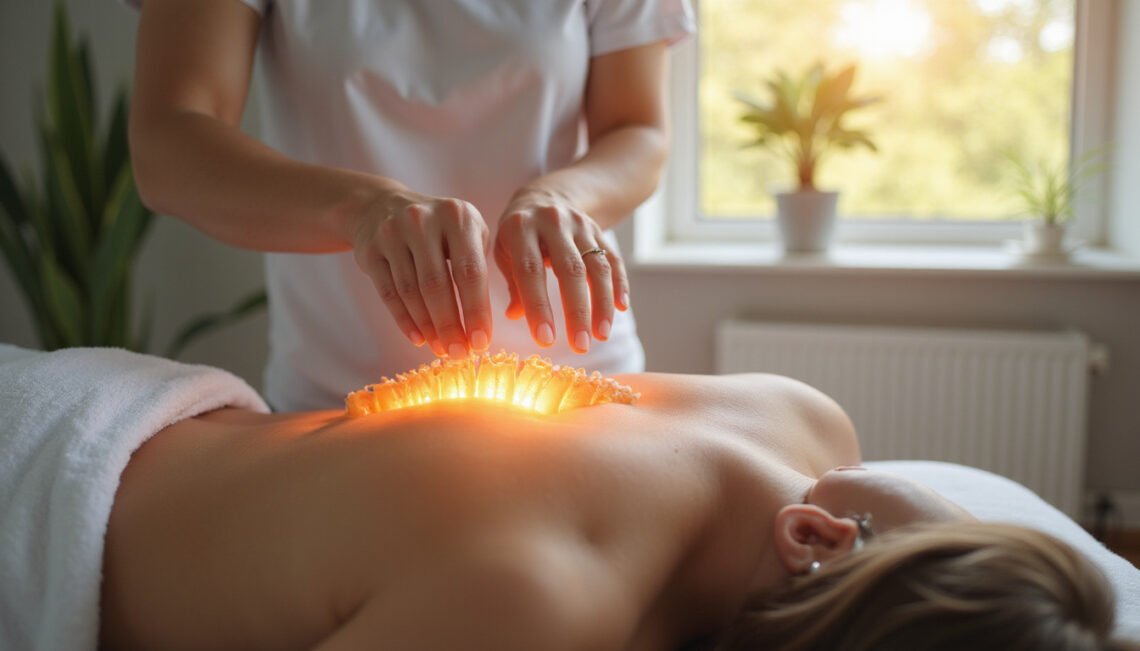
Osteopathy is gaining attention as more people look for safe, drug-free ways to relieve pain and improve their overall health. Instead of focusing only on symptoms, osteopathy takes a whole-body approach, aiming to treat the root cause of discomfort. Whether you’re dealing with chronic back pain, recurring headaches, or sports injuries, this hands-on therapy may offer a gentle, effective alternative or complement to conventional care.
What Is Osteopathy?
Osteopathy is a form of manual medicine that focuses on the musculoskeletal system—your bones, muscles, joints, and connective tissues—and how it affects your overall health.
A trained practitioner, called an osteopath or osteopathic physician (depending on the country), uses hands-on techniques to:
- Assess how your body is moving
- Identify areas of restriction or tension
- Gently restore balance and mobility
The underlying idea is that the body functions as a unified whole. If one area is not working well—such as a stiff spine, tight hip, or restricted rib cage—it can affect other systems, including circulation, nerves, digestion, and even sleep.
While osteopathy is widely known for helping with back pain, its scope is far wider, often supporting recovery from injuries and helping manage long-term conditions that affect mobility and comfort.
Core Principles of Osteopathy
Osteopathy is guided by a few key principles that shape how practitioners assess and treat patients:
1. The Body Is a Functional Whole
Osteopathy views the body as an integrated system. Your muscles, joints, nerves, organs, and circulation work together, not in isolation. A knee problem might be linked to hip stiffness; neck tension might be related to posture or jaw alignment.
2. Structure and Function Are Interrelated
If the structure (bones, joints, soft tissues) is impaired—by poor posture, injury, or repetitive strain—it can affect the way your body functions. Likewise, chronic functional issues (like overuse or poor breathing habits) can alter structure over time.
3. The Body Has Self-Healing Capacity
Osteopathic treatment aims to support and enhance your body’s natural ability to heal by improving blood flow, lymphatic drainage, nerve function, and joint mobility.
4. Treatment Is Individualized
No two people have the same body history, lifestyle, or pain pattern. Osteopaths typically take a detailed history and tailor techniques to the individual rather than applying a one-size-fits-all protocol.
What Conditions Can Osteopathy Help With?
Osteopathy is commonly used to manage a wide range of musculoskeletal problems and related issues. It does not claim to “cure” every condition, but it can often reduce pain, improve function, and complement medical treatment.
Common reasons people seek osteopathic care include:
- Back and neck pain (including sciatica and whiplash-related issues)
- Joint pain in hips, knees, shoulders, and ankles
- Muscle tension and strains
- Headaches and some migraines, especially those related to neck or jaw tension
- Postural problems from work, driving, or device use
- Sports injuries and performance-related strain
- Repetitive strain injuries (e.g., wrist, elbow, shoulder)
- Pregnancy-related discomfort, such as pelvic or lower back pain
- Age-related stiffness and mobility challenges
In some regions, osteopathy is also used to support patients with chronic health conditions alongside medical care. Always discuss with your primary healthcare provider if you have a serious or complex diagnosis.
How an Osteopathy Session Works
If you’ve never tried osteopathy, it can be reassuring to know exactly what to expect. A session is typically calm, conversational, and hands-on—but not usually painful.
1. Case History and Discussion
Your osteopath will usually start by asking about:
- Your main symptoms and when they started
- Past injuries, surgeries, or illnesses
- Lifestyle factors like work, exercise, sleep, and stress
- Any medications or ongoing treatments
This helps them see the bigger picture, not just the immediate pain.
2. Physical Assessment
You may be asked to:
- Stand, sit, and walk while they observe posture and movement
- Perform simple motions like bending, turning, or lifting your arms
The osteopath may then gently feel along your spine, joints, and muscles to locate areas of restriction, tension, or sensitivity.
3. Hands-On Treatment
Depending on your needs, your osteopath may use techniques such as:
- Soft tissue techniques – gentle stretching and kneading of muscles and fascia
- Articulation – rhythmic movement of joints through their natural range
- High-velocity, low-amplitude (HVLA) thrusts – quick, precise movements sometimes producing a painless “click” or “pop”
- Muscle energy techniques – you gently push against resistance to help relax tight muscles and improve joint motion
- Cranial or craniosacral techniques – very light touch aimed at releasing subtle tensions in the head, spine, and sacrum
You can always ask your osteopath to explain each technique and let them know what you feel comfortable with. Treatment is usually tailored to your age, health, and preferences.
4. Advice and Follow-Up
Many osteopaths will also suggest:
- Simple stretches or strengthening exercises
- Postural changes or ergonomic adjustments
- Lifestyle tips for sleep, stress, or activity levels
They may recommend a short course of sessions or occasional “maintenance” visits, depending on your situation.
Is Osteopathy Safe?
For most people, osteopathy is considered a safe, low-risk therapy when provided by a qualified and registered practitioner.
Typical Reactions
After treatment, some people experience:
- Mild soreness or aching in treated areas for 24–48 hours
- Temporary tiredness
- Occasionally, a brief flare-up of symptoms before improvement
These reactions are usually short-lived and similar to what you might feel after a workout or massage.
When to Use Caution
You should always tell your osteopath if you have:
- Osteoporosis or low bone density
- History of fractures, bone cancer, or significant trauma
- Severe arthritis, especially in the neck
- Blood clotting disorders or on blood-thinning medication
- Serious cardiovascular conditions
- Unexplained weight loss, fever, or night pain
In many countries, osteopaths are trained to recognize red-flag symptoms and will refer you to a doctor or emergency care if they suspect a serious underlying issue.
According to guidance from the UK’s NHS, osteopathy is generally safe when performed by a trained practitioner, but certain spinal manipulations may not be suitable for people with specific health problems (source: NHS).
If you’re unsure whether osteopathy is right for you, consult both your doctor and a registered osteopath for individualized advice.
Osteopathy vs Chiropractic vs Physiotherapy
Osteopathy is often mentioned alongside chiropractic care and physiotherapy. They share some similarities but also have distinct approaches.
-
Osteopathy
- Whole-body, structural and functional perspective
- Wide range of gentle to more direct manual techniques
- Strong emphasis on overall health and self-healing
-
Chiropractic
- Traditionally focused on the spine and nervous system
- Relies heavily on spinal adjustments/manipulations
- Often uses X-rays and a more standardized adjustment style
-
Physiotherapy (Physical Therapy)
- Strongly evidence-based and widely integrated into medical systems
- Focus on rehabilitation, exercise programs, and physical modalities
- Often used after surgery, injury, or in chronic disease management
In practice, these professions can overlap. Many patients benefit from a combination—such as osteopathy for manual care and physiotherapy for structured exercise rehab. The “best” option depends on your condition, preferences, and the specific practitioner’s skills.

The Benefits of Drug-Free Pain Relief
One of the biggest draws of osteopathy is its drug-free approach. While medication can be invaluable—especially for acute or severe pain—many people want to:
- Reduce reliance on painkillers and anti-inflammatories
- Avoid side effects from long-term medication use
- Explore options to manage pain by improving body mechanics and function
By restoring better alignment, mobility, and tissue health, osteopathy aims to decrease the mechanical and postural stress that often underlies chronic pain. For some, this means fewer pain flare-ups, improved movement, and better quality of life.
Osteopathy should not replace essential medical treatment, but it can be a powerful complement, especially for musculoskeletal issues.
How to Choose a Qualified Osteopath
Finding the right practitioner can make a huge difference in your experience and results. When looking for an osteopath, consider:
-
Qualifications and Registration
- Check if they’re registered with a recognized professional or regulatory body in your country.
-
Experience and Special Interests
- Some osteopaths focus on sports injuries, others on chronic pain, pregnancy, or older adults.
-
Approach and Communication Style
- Do they explain things clearly?
- Do they listen and encourage questions?
- Do you feel safe and respected?
-
Reviews and Recommendations
- Personal recommendations from friends, family, or healthcare providers can be valuable.
- Online reviews can offer insight, but consider overall patterns rather than one-off comments.
-
Practical Factors
- Location, availability, and cost
- Whether they coordinate with your GP or other therapists if needed
Don’t hesitate to speak to more than one practitioner before deciding who feels like the right fit.
Simple Ways to Support Results from Osteopathy
Osteopathic treatment tends to be most effective when combined with healthy movement and habits. To amplify the benefits, your osteopath may encourage you to:
- Stay gently active: Walking, light mobility work, or low-impact exercise helps maintain circulation and joint health.
- Do prescribed exercises: Targeted stretches or strengthening routines help stabilize improvements.
- Optimize your workspace: Small ergonomic tweaks (chair height, screen position) can reduce daily strain.
- Prioritize sleep and stress management: Rest and relaxation support healing and pain control.
- Hydrate and eat well: Good nutrition and hydration support tissue health and recovery.
Quick Overview: When Might Osteopathy Help?
Here’s a simple list of situations where people often turn to osteopathy:
- Recurring low back pain or stiffness
- Neck pain from desk work or driving
- Shoulder or hip pain limiting daily activities
- Tension headaches linked to posture or jaw issues
- Sports injuries like strains, sprains, or overuse problems
- Pregnancy-related back or pelvic discomfort
- Age-related stiffness or reduced mobility
- Recurrent muscle tightness despite stretching or massage
If in doubt, a consultation can clarify whether osteopathy is likely to be useful in your case.
FAQ About Osteopathy
1. Is osteopathy good for chronic back pain?
Yes, many people with long-term back pain find osteopathy helpful. By assessing posture, spine mobility, muscle tension, and movement patterns, an osteopath can often identify contributing factors and use gentle manual techniques plus tailored advice to reduce pain and improve function. Results vary, and ongoing self-care is usually part of a successful plan.
2. How does an osteopathic treatment feel?
Osteopathy treatments usually feel like a combination of gentle stretching, pressure, and joint movements. Some techniques are very light, while others may involve firmer pressure. You should always be able to communicate with your osteopath—if something feels too intense, they can adjust their approach. Most people find sessions relaxing and feel looser or more mobile afterwards.
3. Can osteopathy help with neck pain and headaches?
Yes, osteopathic treatment is frequently used for neck pain and some types of headaches, especially those related to muscle tension, joint stiffness, or posture. Your osteopath will examine your neck, upper back, shoulders, and sometimes jaw to identify mechanical contributors and then use manual techniques to ease tight tissues and improve movement. They may also give advice on ergonomics, sleep position, and exercises.
If you’re tired of relying solely on painkillers or simply want a more holistic, hands-on approach to healing, osteopathy offers a safe, drug-free path worth exploring. A qualified osteopath can assess your unique situation, address the underlying mechanics of your pain, and guide you toward better movement and long-term relief.
Take the next step today: book an initial osteopathy consultation with a trusted practitioner, ask your questions, and discover how a tailored, whole-body approach could help you move more freely and live with less pain.