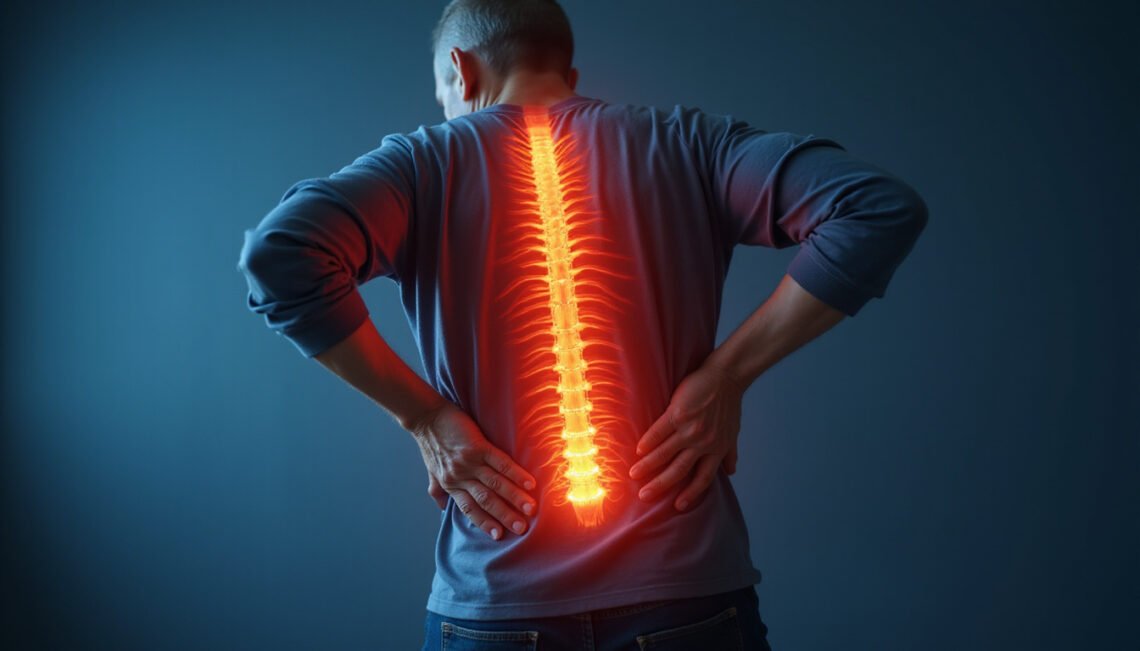
If you’ve ever felt a sharp, burning, or electric shock-like pain shooting from your lower back down your leg, you already know how miserable sciatica symptoms can be. The good news: many cases improve quickly with the right strategy, and you can often start reducing pain at home within days—sometimes within hours.
This guide walks you through what sciatica really is, how to recognize it, when to worry, and the most effective expert-backed ways to stop the pain fast and keep it from coming back.
What is sciatica, really?
“Sciatica” isn’t a diagnosis by itself—it describes a pattern of pain caused by irritation or compression of the sciatic nerve, the largest nerve in your body. It runs from your lower spine, through the buttocks, and down the back of each leg.
When that nerve is pinched or inflamed, typical sciatica symptoms can appear on one side of the body and may include:
- Lower back pain
- Buttock pain
- Pain radiating down the back of the thigh and sometimes into the calf or foot
- Numbness, tingling, or burning sensations
- Weakness in the affected leg
The underlying cause is often a herniated disc, spinal stenosis (narrowing of the spinal canal), or sometimes muscle tightness (such as in the piriformis). But the pattern of pain is what most people recognize first.
Common sciatica symptoms (and how to tell it apart from other back pain)
Not all leg pain is sciatica, and not all back pain is dangerous. Understanding the typical symptom pattern helps you decide what to do next.
Typical sciatica symptom pattern
People with sciatica often report:
- Pain that radiates from the lower back or buttock down the leg
- Pain worse with sitting for long periods
- Sharp, shooting, or burning pain rather than a dull ache
- Numbness or “pins and needles” in the leg or foot
- Pain in only one leg, often more intense than the back pain itself
- Pain that worsens with coughing, sneezing, or straining
How it differs from general back pain
General mechanical low back pain often:
- Stays mostly in the lower back
- Feels like a dull ache or stiffness
- Improves with walking or gentle movement
- Has no clear nerve-related symptoms (no radiating pain, numbness, or tingling)
When sciatica symptoms appear, the leg usually hurts more than the back. That radiating pattern is a key clue that a nerve root is involved.
Red-flag sciatica symptoms: when to call a doctor immediately
Most cases of sciatica, while painful, are not an emergency and improve with conservative care. However, there are red-flag symptoms that need urgent medical attention:
- Loss of bladder or bowel control (trouble starting or stopping urination, incontinence)
- Severe, progressive leg weakness (your foot keeps dropping, you can’t lift your toes or stand on your heels)
- Numbness in the groin or “saddle” area
- Severe pain after a major trauma (car accident, fall from height)
- Unexplained weight loss, fever, or history of cancer with new, intense back and leg pain
These signs can indicate a serious condition such as cauda equina syndrome or infection and need immediate evaluation—go to an emergency department or call your healthcare provider right away (source: NHS).
Fast pain-relief strategies you can try today
If your sciatica symptoms are not red-flag serious, you can often begin with self-care. Here are evidence-informed options to calm the nerve and reduce pain quickly.
1. Use heat and cold strategically
-
Cold packs (first 24–72 hours or during flare-ups)
Apply an ice pack or a bag of frozen peas wrapped in a thin towel to the painful area for 10–15 minutes, several times a day. Cold helps reduce inflammation and numbs sharp pain. -
Heat (after the initial flare or for chronic pain)
A warm pack, hot water bottle (wrapped), or warm shower can relax tight muscles around the nerve. Use for 15–20 minutes, 2–3 times a day.
Alternate cold and heat if you find it more soothing—but don’t apply either directly to bare skin.
2. Adjust your body position
Certain positions increase pressure on the sciatic nerve; others relieve it.
-
Avoid:
- Long periods of sitting, especially in soft couches
- Slouching or rounding your lower back
- Twisting while lifting or bending
-
Try:
- Short walks every 1–2 hours, even if just around the room
- Reclined sitting with a small rolled towel in the curve of your lower back
- Lying on your back with your calves supported on a chair (hips and knees at 90 degrees) for 10–15 minutes to decompress the lower spine
A small change in posture can sometimes dramatically reduce sciatica symptoms in minutes.
3. Over-the-counter pain relief (with caution)
Non-steroidal anti-inflammatory drugs (NSAIDs) such as ibuprofen or naproxen may help reduce inflammation around the nerve and ease pain. Acetaminophen (paracetamol) can also be useful.
- Always follow the dosage on the label.
- Avoid NSAIDs if you have kidney disease, ulcers, blood-thinner use, or other contraindications—ask a pharmacist or doctor if you’re unsure.
- These medications help symptoms but don’t fix the underlying cause, so pair them with movement and exercises.
Gentle exercises to ease sciatica symptoms fast
Prolonged bed rest usually makes sciatica worse. Gentle, targeted movement often brings faster relief by improving blood flow, reducing muscle spasm, and taking pressure off the nerve.
Before you begin, stop any exercise that causes sharp, worsening, or electric-like pain.
1. Nerve-friendly stretches
These simple movements are often recommended by physical therapists:
-
Knee-to-chest stretch
- Lie on your back, knees bent.
- Gently bring one knee toward your chest with both hands behind the thigh.
- Hold 15–20 seconds, breathing steadily.
- Switch sides, repeat 3–5 times.
-
Figure-4 (piriformis) stretch
- Lie on your back, knees bent and feet flat.
- Cross your right ankle over your left knee.
- Grab behind your left thigh and gently pull toward your chest until you feel a stretch in your right buttock.
- Hold 20–30 seconds; repeat 2–3 times each side.
These stretches target tight muscles that can compress or irritate the sciatic nerve, especially around the hip and buttock.

2. McKenzie-style extension (if pain radiates down the leg)
For many people whose sciatica symptoms come from a disc issue, gentle extension can centralize the pain (moving it from the leg back toward the spine, which is usually a good sign).
- Lie on your stomach, forearms on the floor like a sphinx.
- Gently press your chest up, keeping hips on the floor, to slightly arch your lower back.
- Hold 5–10 seconds; lower back down.
- Repeat 8–10 times, stopping if leg pain worsens.
If this reduces or “pulls back” the leg pain toward your back, continue a few times per day. If it makes symptoms worse, discontinue and consult a professional.
Lifestyle tweaks that accelerate healing
Beyond immediate pain relief, certain day-to-day habits can either help or hinder recovery.
Improve your sitting setup
Many people notice sciatica symptoms worsen at work or while driving. Small ergonomic changes can make a big difference:
- Use a chair with good lumbar support, or add a small pillow in the small of your back.
- Keep your feet flat on the floor, hips slightly higher than knees.
- Sit close enough to your desk so you’re not leaning forward.
- Take a 1–2 minute standing or walking break every 30–45 minutes.
Rethink your sleep position
Pain at night can be reduced with better alignment:
- Side sleepers: Place a pillow between your knees to keep your hips aligned.
- Back sleepers: Place a pillow under your knees to reduce pressure on the lower back.
- Avoid stomach sleeping if possible; it often over-arches the lower spine.
Move regularly, but sensibly
Regular low-impact activities support healing:
- Short, frequent walks (5–10 minutes, several times per day)
- Stationary cycling with the seat not too low
- Gentle yoga or Pilates once symptoms ease
Avoid high-impact sports, heavy lifting, or twisting movements until your sciatica symptoms have significantly improved and a professional has cleared you.
When to seek professional help—and what to expect
If home treatment hasn’t improved your symptoms within 1–2 weeks, or if pain is severe and affecting sleep, work, or walking, it’s time to get professional support.
Who can help?
- Primary care doctor or GP – first-line evaluation, medications, referrals.
- Physical therapist / physiotherapist – personalized exercise and manual therapy.
- Chiropractor or osteopath – may provide spinal manipulation when appropriate.
- Pain specialist or spine specialist – for persistent or complex cases.
Possible treatments
A clinician may recommend:
-
Targeted physical therapy
To strengthen core and hip muscles, improve posture, and guide safe progression back to full activity. -
Prescription medications
Such as short-term muscle relaxants, stronger pain relievers, or nerve pain medications in certain cases. -
Epidural steroid injections
For severe, persistent sciatica, injections around the irritated nerve root can reduce inflammation and pain for weeks or months. -
Surgery
Usually a last resort when:- Symptoms persist for 6–12 weeks despite conservative care, and
- There is ongoing significant weakness, unbearable pain, or severe nerve compression
Most people with sciatica never need surgery, and many see substantial improvement with conservative care alone.
Preventing future sciatica flare-ups
Once your sciatica symptoms settle, focus on prevention. Nerves often calm more quickly in bodies that are strong, mobile, and well-supported by good habits.
Here are key prevention strategies:
- Build core strength (planks, bridges, bird-dog exercises)
- Maintain hip and hamstring flexibility with regular stretching
- Lift properly:
- Bend at hips and knees, not at the waist
- Keep the load close to your body
- Avoid twisting while lifting
- Manage your weight, which lowers pressure on the spine
- Stay active, avoiding long periods of inactivity or bed rest
- Stop smoking, as it reduces blood flow to spinal structures and slows healing
Quick reference: sciatica relief checklist
Use this list as a practical, day-to-day guide:
- Check for red-flag symptoms. If present, seek urgent care.
- Use cold packs in the first 24–72 hours or during sharp flare-ups.
- Switch to gentle heat to ease muscle tension after initial inflammation.
- Limit sitting; take short walks and movement breaks regularly.
- Try gentle stretches (knee-to-chest, figure-4, extension if helpful).
- Consider OTC pain relievers, following label instructions and medical advice.
- Optimize workstation ergonomics and sleep position.
- If no improvement in 1–2 weeks, see a health professional.
- Once improved, commit to core strengthening and flexibility to prevent recurrence.
FAQ about sciatica symptoms and pain relief
1. What are the first signs of sciatic nerve pain?
Early sciatica nerve pain symptoms often include a sharp or burning pain in the lower back or buttock that radiates down one leg. You might also feel tingling, numbness, or a “pins and needles” sensation in the back of the thigh, calf, or foot. Many people notice it worsens when sitting or after lifting something heavy.
2. How long do sciatica pain symptoms usually last?
For many people, sciatica pain symptoms improve significantly within 4–6 weeks with conservative treatment like rest, gentle movement, and physical therapy. Mild cases may settle within a few days. If your symptoms last longer than 6 weeks, are getting worse, or include weakness or changes in bladder/bowel function, you should see a doctor promptly.
3. Can sciatica symptoms go away on their own without treatment?
Yes, sciatica symptoms in leg and back can sometimes improve on their own as inflammation settles and the body adapts. However, active self-care—like proper posture, specific exercises, and ergonomic changes—usually speeds up recovery and lowers the chance of recurrence. Ignoring severe or persistent symptoms can increase the risk of long-term nerve irritation, so monitoring and timely evaluation are important.
Take control of your sciatica—starting now
You don’t have to live at the mercy of sciatica symptoms. While the pain can be intense, most cases respond well to a smart combination of self-care, guided movement, and, when needed, professional treatment. Start today with simple steps: adjust your posture, use heat or cold, try gentle stretches, and limit long periods of sitting.
If your pain is severe, not improving, or you’re unsure what’s safe for your situation, don’t wait. Reach out to a qualified healthcare professional or physical therapist and get a personalized plan. The sooner you act, the faster you can calm the nerve, protect your spine, and return to the activities you love—with less pain and more confidence.