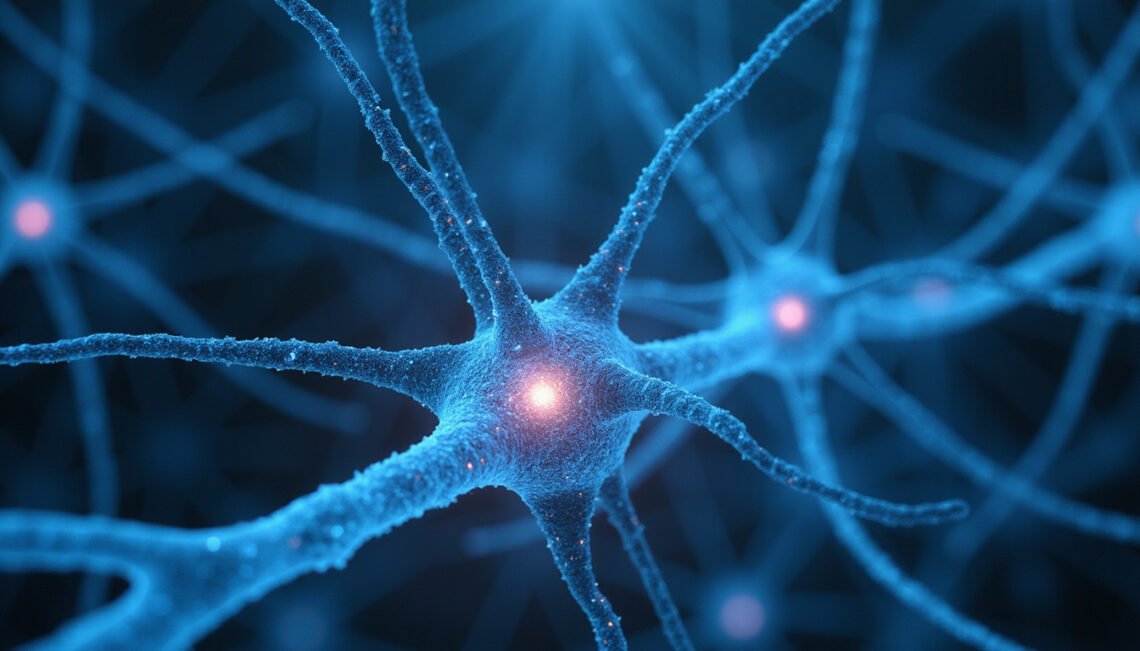
Nociplastic pain is a confusing and frustrating diagnosis for many people. It often doesn’t show up on scans, blood tests, or X‑rays, yet the pain is very real and can be severe. If you’ve been told your tests are “normal” but you still hurt, understanding nociplastic pain — and how to calm an oversensitive nervous system — can be a game changer.
This guide breaks down what nociplastic pain is, why it happens, how it’s different from other pain types, and the most evidence-backed strategies to stop sensitization fast and reclaim your life.
What Is Nociplastic Pain?
Nociplastic pain is pain that arises from altered processing in the nervous system rather than from clear tissue damage (like a broken bone) or nerve injury (like sciatica). Think of it as a “software” problem in how your brain and spinal cord interpret danger signals, not a “hardware” problem in your tissues.
The International Association for the Study of Pain (IASP) defines it as pain that results from altered nociception, despite no clear evidence of actual or threatened tissue damage that would cause the degree of pain you feel (source: IASP).
Conditions often involving nociplastic pain include:
- Fibromyalgia
- Chronic low back pain with normal imaging
- Tension-type headaches and some migraines
- Temporomandibular disorders (TMJ/TMD)
- Irritable bowel syndrome (IBS)
- Some pelvic pain syndromes
- Whiplash-associated disorders
The key feature: the nervous system has become sensitized, turning the “volume knob” of pain up higher than it should be.
Nociplastic vs. Nociceptive vs. Neuropathic Pain
To tackle nociplastic pain effectively, it helps to know how it differs from other major pain types.
Nociceptive pain
- Caused by actual tissue damage or inflammation
- Example: sprained ankle, knee osteoarthritis, a cut
- Usually improves as the tissue heals
- Typically localized and linked to a clear injury or condition
Neuropathic pain
- Results from nerve damage or disease
- Example: diabetic neuropathy, post-herpetic neuralgia, carpal tunnel
- Often burning, shooting, electric, or numb
- May follow a nerve distribution pattern
Nociplastic pain
- Caused by altered processing and increased sensitivity within the central nervous system
- No proportional or obvious tissue or nerve damage explaining the pain intensity
- Pain can be widespread, shifting, or “out of proportion” to findings
- Often accompanied by fatigue, sleep disturbance, brain fog, and mood changes
You can also have a mixed picture: nociceptive, neuropathic, and nociplastic elements can all exist together. That’s why a thorough assessment is critical.
How Sensitization Drives Nociplastic Pain
Central sensitization is the core mechanism behind many cases of nociplastic pain. It means your nervous system is more easily triggered and reacts more strongly to input than before.
Key features of sensitization include:
- Lowered thresholds: Mild stimuli (like light touch or gentle exercise) can trigger disproportionate pain.
- Amplification: Normal nociceptive signals are turned into intense pain.
- Spread of pain: Pain may start in one area (e.g., back) and then become more widespread.
- Persistent pain: Pain continues after tissues have healed or without any clear damage.
This is not “all in your head.” It is a real, measurable change in how your nervous system works — similar to how the brain changes when we learn a new skill. The good news: just as the brain can become sensitized, it can also be de-sensitized with targeted strategies.
Signs Your Pain May Be Nociplastic
While only a qualified clinician can make a diagnosis, several patterns strongly suggest nociplastic pain:
- Pain lasting > 3 months without clear structural cause
- Normal or mild imaging findings that don’t match pain severity
- Widespread or shifting pain, not neatly matching a single joint or nerve
- Heightened sensitivity to touch, temperature, pressure, or noise
- Fatigue and unrefreshing sleep
- Cognitive symptoms, like “brain fog” or trouble concentrating
- Stress, anxiety, or low mood linked with pain flares
- Multiple overlapping conditions, such as IBS, headaches, jaw pain, pelvic pain
If this sounds familiar, your pain may have a nociplastic component — and that changes how it should be treated.
Proven Strategies to Stop Sensitization Fast
There is no single “magic bullet” for nociplastic pain, but a combination of approaches can rapidly reduce sensitization and improve function. The aim: calm your nervous system, restore your confidence in movement, and rebuild your life around meaningful activity instead of pain.
1. Pain Neuroscience Education: Changing the Story
Understanding nociplastic pain can itself reduce pain intensity. Research shows that learning how pain works can decrease fear, catastrophic thinking, and disability in chronic pain conditions (source: IASP and related clinical trials).
Core points to grasp:
- Pain is an alarm system, not a direct measure of tissue damage.
- With nociplastic pain, the alarm system has become overprotective.
- Your body can be safe even when it hurts.
- Movement and activity are not inherently damaging; they are part of the solution.
Having a health professional explain this in depth, or using reputable resources and books, can transform how you react to pain signals — which directly impacts sensitization.
2. Graded Activity and Exercise: Move to Soothe, Not to Prove
Exercise is one of the most powerful tools against nociplastic pain, but it must be dosed carefully. The goal isn’t to push through pain heroically; it’s to gently retrain your nervous system that movement is safe.
Good options include:
- Walking: Begin with tolerable distances, even 5–10 minutes, and build slowly.
- Gentle strength training: Bodyweight or light resistance 2–3 times per week.
- Low-impact cardio: Stationary bike, swimming, or water aerobics.
- Mind-body movement: Yoga, tai chi, or Pilates focusing on slow control and breath.
Use a graded approach:
- Set a baseline: Choose an activity amount you can do on “most days” without big flare-ups.
- Increase gradually: Add 5–10% per week in time, distance, or difficulty.
- Focus on consistency: Regular, modest effort beats sporadic all-out attempts.
- Judge success by function, not pain alone: Can you do more in your life over time?
Over weeks to months, this signals safety to your nervous system, turning down the sensitivity dial.

3. Sleep Repair: Quieting the System Overnight
Poor sleep worsens nociplastic pain and sensitization; the relationship is bidirectional. Improving sleep quality can quickly make pain more manageable.
Strategies:
- Consistent schedule: Go to bed and wake up at the same times daily.
- Wind-down routine: 30–60 minutes of calm, screen-free time before bed.
- Sleep environment: Dark, cool, quiet room; earplugs or white noise if needed.
- Caffeine and alcohol limits: Avoid caffeine after early afternoon; minimize alcohol before bed.
- Cognitive and relaxation tools: If your mind races at night, try journaling, breathing exercises, or a brief body scan meditation.
If insomnia is severe, cognitive behavioral therapy for insomnia (CBT‑I) is especially effective and appropriate for people with chronic pain.
4. Stress, Emotion, and Nervous System Regulation
Stress doesn’t “cause” nociplastic pain by itself, but it’s a potent amplifier. Chronic fight-or-flight states keep the nervous system on high alert.
Helpful regulation techniques include:
- Diaphragmatic breathing (4-6 breaths per minute)
- Progressive muscle relaxation
- Mindfulness or acceptance-based practices that notice pain without reacting with panic
- Brief “micro-breaks” through the day to reset: 1–2 minutes of slow breathing or stretching
Psychological therapies such as CBT, Acceptance and Commitment Therapy (ACT), or pain reprocessing therapy can reduce fear of movement, catastrophizing, and emotional reactivity to pain, all of which drive sensitization.
Medical and Therapeutic Options for Nociplastic Pain
While lifestyle and mindset shifts are foundational, targeted medical and hands-on therapies can be crucial, especially to get faster relief.
1. Medications
Traditional painkillers (like NSAIDs) often don’t work well for nociplastic pain because there’s little inflammation driving the pain. More helpful options may include:
- Certain antidepressants (e.g., SNRIs like duloxetine, or low-dose tricyclics): Can modulate pain pathways even in people without depression.
- Anticonvulsant drugs (e.g., pregabalin, gabapentin): Sometimes used in widespread pain and nerve sensitization.
- Topicals: Lidocaine or capsaicin creams may help localized sensitive areas.
Medication should be part of a broader plan, not the only strategy. Opioids are rarely effective long term in nociplastic pain and can worsen sensitivity in some cases (opioid-induced hyperalgesia).
2. Physical Therapy and Manual Therapy
A skilled physical therapist familiar with nociplastic pain can:
- Design individualized graded exercise programs.
- Use gentle manual techniques to desensitize muscles and joints.
- Teach pacing, posture, and functional strategies to move with less flare.
- Reinforce pain neuroscience education so you feel confident and safe.
Hands-on therapies alone rarely “fix” nociplastic pain, but combined with active strategies, they can accelerate progress.
3. Multidisciplinary Pain Programs
For severe, disabling nociplastic pain, an interdisciplinary pain clinic can bring together:
- Physicians
- Physical therapists
- Psychologists
- Occupational therapists
- Sometimes dietitians and social workers
These programs aim to reduce pain intensity, improve function, and give you tools to self-manage long term. Evidence shows that multidisciplinary approaches are particularly effective for chronic nociplastic-type pain (source).
Lifestyle Levers That Support De-sensitization
Small, consistent habits can support nervous system calm and make other treatments work better.
- Anti-inflammatory, nutrient-dense eating: Emphasize whole foods, vegetables, fruits, lean proteins, and healthy fats; reduce ultra-processed foods and added sugars.
- Hydration: Even mild dehydration can worsen fatigue and headaches.
- Social connection: Meaningful relationships and support can buffer stress and reduce perceived pain.
- Pleasurable activities: Schedule enjoyable hobbies, creativity, and time in nature; they provide positive input to your nervous system and shift focus away from pain.
None of these is a cure on its own, but together they build a context in which your nervous system feels safer and less reactive.
Self-Management Checklist for Nociplastic Pain
Use this list to identify quick wins and longer-term priorities:
- Learn the basics of nociplastic pain and central sensitization.
- Start or refine a graded movement routine (walk, stretch, or strength).
- Audit and improve sleep with two or three concrete changes.
- Add one daily nervous system regulation practice (e.g., 5 minutes of breathing).
- Talk to your clinician about whether medications or PT are appropriate.
- Consider psychological support specifically oriented to chronic pain.
- Track progress in function and quality of life, not just pain scores.
FAQ: Common Questions About Nociplastic Pain
1. Is nociplastic pain real or “in my head”?
Nociplastic pain is absolutely real. It reflects genuine changes in how your brain and spinal cord process signals. While thoughts and emotions can influence it, that doesn’t make it imaginary any more than stress-related high blood pressure is “in your head.”
2. Can nociplastic pain be cured, or is it permanent?
Many people with nociplastic pain experience major improvements and even full remission of symptoms when they address sensitization with a comprehensive plan: education, graded movement, sleep optimization, stress regulation, and, when helpful, medication and therapy. For some, it behaves more like a chronic but manageable condition with occasional flares.
3. What is the best treatment for centrally mediated nociplastic pain?
There is no single “best” one-size-fits-all treatment. The most effective approach for centrally mediated nociplastic pain combines: pain neuroscience education, individualized exercise and physical therapy, psychological strategies (CBT, ACT, pain reprocessing therapy), sleep and stress improvements, and selective use of medications like SNRIs or gabapentinoids when appropriate. A clinician experienced with central sensitization can help you build the right mix.
Take Control of Nociplastic Pain and Calm Your Nervous System
Nociplastic pain can make you feel misunderstood, dismissed, and stuck — especially when tests come back “normal” and quick fixes fail. But this type of pain follows understandable rules, and once you know how sensitization works, you can start to change it.
You are not broken, and your body is not your enemy. With the right knowledge and a targeted plan that includes education, graded movement, sleep repair, stress regulation, and smart medical support, your nervous system can learn to turn the volume down.
If this article resonated with you, don’t wait. Take one step today: schedule an appointment with a clinician who understands nociplastic pain, start a gentle movement routine, or commit to a nightly wind-down ritual. Each small, consistent action is a signal of safety to your nervous system — and the first step toward a calmer, more comfortable life.