Nerve Flossing Exercises to Relieve Sciatic Pain and Improve Mobility
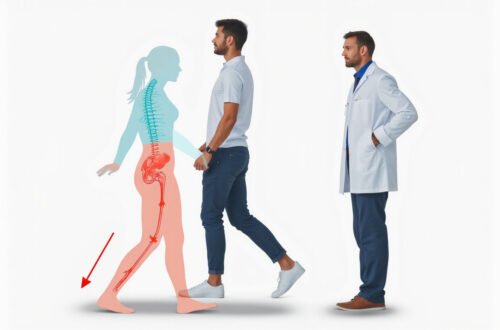
Living with sciatic pain can make even simple movements feel challenging. Nerve flossing exercises—also called nerve gliding or neural mobilization—are a gentle, targeted way to calm irritated nerves and restore smoother movement. When done correctly, they can help relieve sciatic pain, reduce tingling or numbness, and improve your overall mobility.
Below, you’ll learn what nerve flossing is, how it helps with sciatic pain, who it’s for (and who should avoid it), and step-by-step instructions for safe, effective exercises you can try at home.
What Is Nerve Flossing?
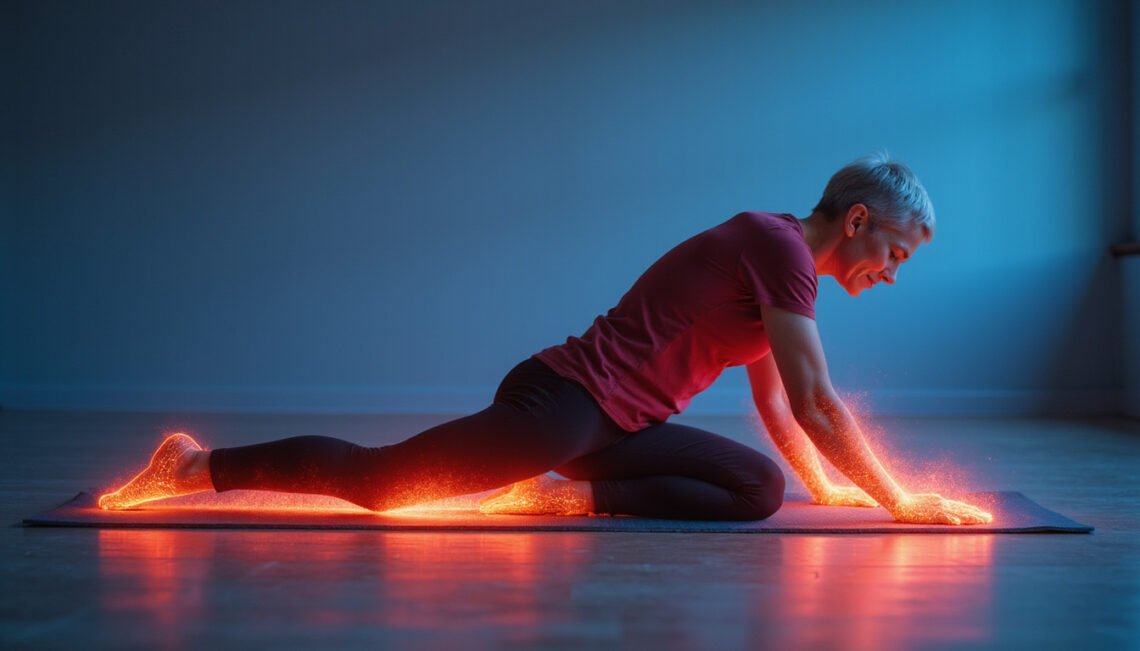
Nerve flossing is a type of movement therapy designed to mobilize nerves as they travel through tissues like muscles, fascia, and joints. Instead of stretching muscles, nerve flossing gently moves a nerve back and forth through its pathway—similar to sliding a cable in a sheath.
For sciatica, nerve flossing usually targets:
- The sciatic nerve (running from the lower back through the hips, buttocks, and down the leg)
- The tibial and peroneal branches further down the leg
- Occasionally, the lumbar nerve roots in the lower spine
The goal is to:
- Decrease irritation around the nerve
- Improve blood flow to the nerve
- Restore normal movement so the nerve isn’t “caught” or compressed by stiff or tight tissues
This technique is often used by physical therapists and recommended in conservative treatment plans for sciatica (source: Cleveland Clinic).
How Nerve Flossing Helps Sciatic Pain
Sciatic pain is usually triggered when the sciatic nerve is compressed, irritated, or inflamed. This might be due to a herniated disc, spinal stenosis, piriformis syndrome, or simple postural stress.
Nerve flossing can help by:
-
Reducing sensitivity of the nerve
Gradual movement helps the nerve adapt to motion and pressure again, which can reduce sharp, shooting pain. -
Increasing circulation
Gentle gliding improves blood flow and nutrient supply to the nerve, supporting healing. -
Releasing soft-tissue tension
Moving the nerve through its pathway can reduce restrictions in surrounding muscles and fascia. -
Improving range of motion
Less nerve irritation often means you can move more freely without triggering pain.
Nerve flossing is not a cure for all causes of sciatica, but it can be a powerful complementary tool alongside medical care, posture changes, core strengthening, and ergonomic adjustments.
When Nerve Flossing Is (and Isn’t) Appropriate
Good candidates for nerve flossing
Nerve flossing may be helpful if you have:
- Mild to moderate sciatic pain
- Intermittent tingling, numbness, or shooting pain down one leg
- Sciatica triggered by sitting, bending, or prolonged driving
- Stiffness in the lower back, hips, or hamstrings
When to avoid or delay nerve flossing
Do not start nerve flossing exercises—especially on your own—if you have:
- Recent or severe trauma to your spine or hips
- Loss of bowel or bladder control
- Significant leg weakness, foot drop, or rapidly worsening symptoms
- Suspected spinal infection or tumor
- Severe, constant pain that doesn’t change with position
These can be red-flag symptoms. Seek immediate medical attention.
Also, if nerve flossing consistently increases your pain during or after exercises, stop and consult a physical therapist or doctor before proceeding.
Key Principles for Safe Nerve Flossing
Before you jump into exercises, keep these guidelines in mind to protect your sciatic nerve:
-
Pain should be mild and temporary
A slight pulling, tingling, or stretch-like sensation is expected. Sharp, burning, or worsening pain is not. -
Less is more
Nerves are delicate. Move slowly and start with low repetitions (5–10 per exercise). -
Avoid “stretching hard”
This is not a traditional stretch. The motion is small, controlled, and rhythmical—not a deep hold. -
Breathe and relax
Tension increases nerve sensitivity. Breathe deeply and keep your jaw, neck, and shoulders relaxed. -
Stop if symptoms travel further down the leg
If discomfort starts moving farther from your spine (e.g., from buttock into the calf or foot) and doesn’t settle after stopping, that’s a sign to back off.
If you’re unsure, ask a physical therapist to show you the correct technique for nerve flossing before doing it alone.
Warm-Up Before Nerve Flossing Exercises
Preparing your body makes nerve flossing more comfortable and effective. Spend 3–5 minutes on a light warm-up:
- Short walk around the room or hallway
- Gentle pelvic tilts lying on your back
- Slow knee-to-chest movements (within comfort)
- Easy ankle circles
Avoid aggressive hamstring stretching right before nerve flossing; it can make the nerve more irritable.
1. Seated Sciatic Nerve Floss (Slump Slider)
This is a classic sciatic nerve flossing exercise that combines head and leg movements to glide the nerve.
How to do it:
- Sit on a chair with good posture, feet flat on the floor.
- Place your hands gently on your lap.
- Start position:
- Straighten your painful-side leg out in front of you, heel on the floor, toes relaxed.
- Sit tall and look up slightly (gentle neck extension).
- Movement:
- Slowly bend your ankle to point toes up (toward your nose) while you gently lower your head to look down toward your chest.
- Then return to the start: toes relax down while you lift your head to look slightly up.
- Move in a smooth, continuous motion—no bouncing.
Repetitions:
8–12 repetitions, 1–2 sets, once or twice per day, as tolerated.
What you should feel:
A mild stretching or pulling in the back of your leg that eases as you return to the start position.
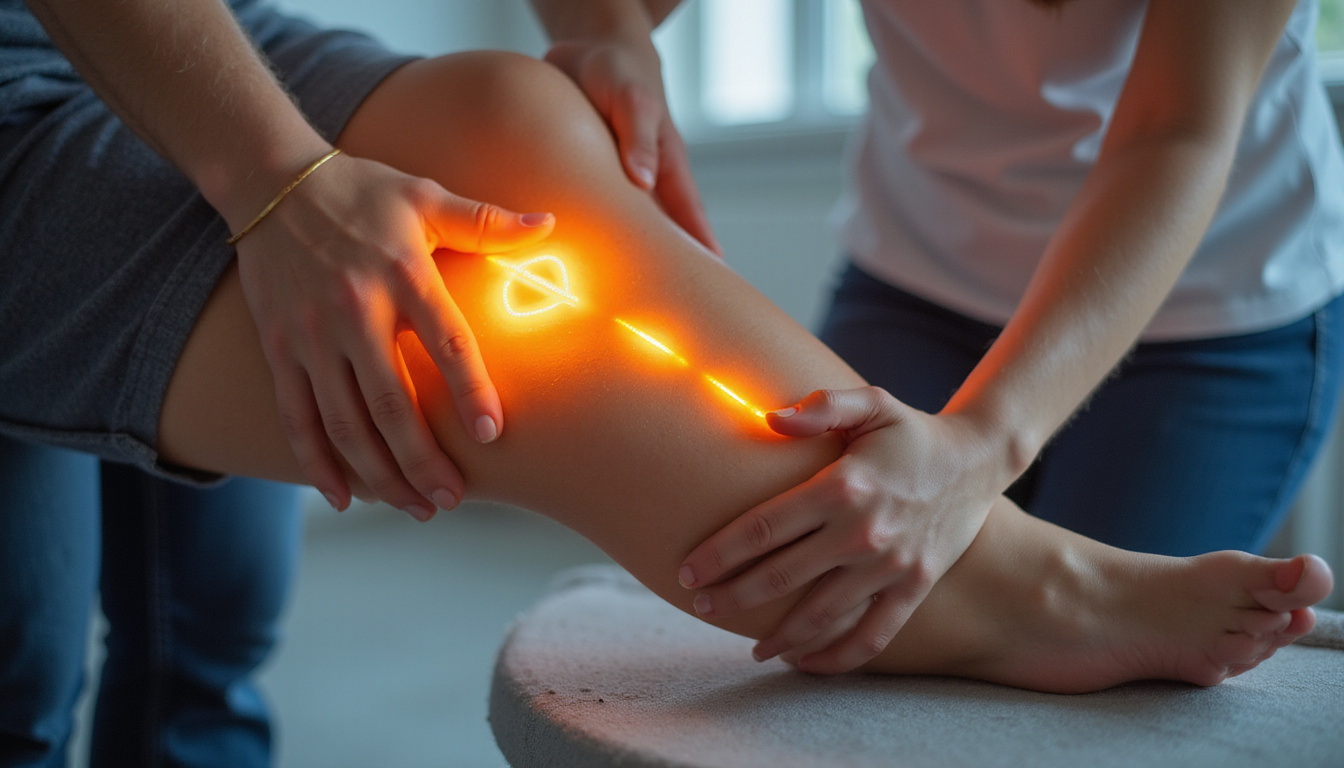
2. Supine Sciatic Nerve Glide With Strap
This lying-down version is often more comfortable for those with back pain.
How to do it:
- Lie on your back with both knees bent, feet on the floor.
- Loop a strap, belt, or towel around the ball of the painful-side foot.
- Lift that leg so your hip is bent around 90 degrees (thigh pointing toward the ceiling). Keep the other leg bent on the floor.
- Start with a bent knee.
Hold both ends of the strap and gently support your leg. - Slowly straighten your knee until you feel a mild stretch—not pain—behind the thigh or calf.
- From that position, bend and straighten the knee slightly in a slow, controlled motion, letting the leg move 5–10 degrees each way.
- Option: Add gentle ankle movement—pointing and flexing the foot—if comfortable.
Repetitions:
8–10 knee movements, 1–2 sets.
Tips:
- Keep your lower back relaxed on the floor.
- If the stretch is too intense, lower your leg a bit or bend your knee more.
3. Standing Hamstring-Sciatic Nerve Floss
This combines a gentle hamstring stretch with nerve gliding and can be done almost anywhere.
How to do it:
- Stand facing a low step, bench, or sturdy box.
- Place your painful-side heel on the surface, with your knee slightly bent.
- Keep your back straight and hinge gently forward from your hips until you feel a mild stretch in the back of your thigh.
- From this position:
- Point your toes up toward your nose (dorsiflex) and hold 1–2 seconds.
- Then point your toes slightly down and hold 1–2 seconds.
- Move slowly between these two ankle positions.
Repetitions:
10–15 ankle movements, 1–2 sets.
Important:
Don’t force the forward hinge. The stretch should stay mild; the focus is on moving the ankle to floss the nerve.
4. Seated Ankle Nerve Floss for Sciatic Branches
This is a lighter exercise focusing more on the lower leg and foot, useful if your symptoms are mostly in the calf or foot.
How to do it:
- Sit in a chair with legs comfortably extended, knees slightly bent.
- Focus on the painful-side leg.
- Point the toes down and slightly inward, then pull them up and slightly outward in a slow, controlled rhythm.
- Keep the rest of your body relaxed and still.
Repetitions:
15–20 ankle movements, 1–2 sets.
This mobilizes branches of the sciatic nerve (tibial and peroneal nerves) without heavily loading the lower back.
5. Gentle Sciatic Nerve Floss in Lying “90–90” Position
This is a more advanced option and should be introduced only when the earlier exercises are well tolerated.
How to do it:
- Lie on your back near a wall or doorway.
- Place your painful-side leg up the wall with your hip and knee bent about 90 degrees (thigh vertical, shin horizontal).
- The other leg can be straight or bent on the floor—whichever feels better.
- From this position:
- Slowly straighten your knee a small amount (5–10 degrees) until you feel a mild stretch.
- Then slowly return to the start position.
- Keep your ankle relaxed at first; later you may add gentle ankle flexion and extension.
Repetitions:
6–10 small knee movements, 1–2 sets.
Stop if you feel any sharp pain in your lower back or if your leg symptoms worsen.
Sample Nerve Flossing Routine for Sciatic Pain
Here’s how you might structure a short daily routine. Adjust based on comfort and professional guidance.
-
Warm-up (3–5 minutes)
- Easy walking, pelvic tilts, or gentle knee-to-chest.
-
Core nerve flossing exercises
- Seated Sciatic Nerve Floss: 8–12 reps
- Supine Sciatic Nerve Glide With Strap: 8–10 reps
- Seated Ankle Nerve Floss: 15–20 reps
-
Optional (if symptoms are mild and improving)
- Standing Hamstring-Sciatic Nerve Floss: 10–15 reps
-
Cool-down
- Light walking, gentle back and hip mobility.
Simple Progression Guidelines
- Start with 1 set of each exercise every other day.
- If symptoms improve or stay stable after 1 week, increase to 2 sets or daily practice.
- If symptoms worsen, reduce frequency or intensity, or stop and seek professional input.
Common Mistakes to Avoid with Nerve Flossing
To get the most from these exercises and avoid flaring your sciatic pain:
-
Pushing into strong pain
Nerve flossing should feel like a 2–3 out of 10 on a discomfort scale, not a 7–8. – Moving too quickly
Quick or jerky motions can irritate the nerve. Prioritize slow, rhythmical movement. -
Holding long static stretches
Long holds place more tension on the nerve; flossing is about motion, not prolonged stretch. -
Ignoring persistent symptoms
If your pain is worse for hours after flossing, or new numbness/weakness appears, stop and consult a clinician.
FAQs About Nerve Flossing for Sciatica
1. How often should I do nerve flossing for sciatica?
For most people, nerve flossing for sciatica is safe once daily at first, using low repetitions and gentle intensity. Some may progress to twice daily if symptoms improve and exercises feel comfortable. Always let your pain response guide you—more is not always better with neural tissues.
2. Can nerve flossing exercises make sciatic pain worse?
Yes, if done too aggressively, with poor technique, or when there’s severe nerve compression, nerve flossing exercises for sciatica can temporarily worsen symptoms. That’s why it’s essential to:
- Stay within a mild discomfort range
- Move slowly and avoid deep stretching
- Stop immediately if pain is sharp, burning, or spreads further down the leg
If symptoms worsen consistently, get assessed by a physical therapist or doctor before continuing.
3. Is nerve gliding the same as nerve flossing for sciatic nerve pain?
The terms nerve gliding, nerve sliding, and nerve flossing for sciatic nerve pain are often used interchangeably. All refer to techniques that gently move the nerve through its surrounding tissues. Some clinicians use “gliding” for lower-tension movements and “tensioning” for higher-load variations, but for most people, the focus should be on gentle, sliding-type exercises when dealing with sciatic pain.
Take the Next Step Toward Sciatic Pain Relief
You don’t have to live at the mercy of sciatic pain. Used thoughtfully, nerve flossing can be a practical, low-impact way to calm irritated nerves, ease leg pain, and restore mobility so you can sit, walk, and move with more confidence.
Start with the gentlest exercises, listen closely to your body, and build gradually. For the safest and fastest progress, consider working with a licensed physical therapist who can tailor a nerve flossing program to your specific diagnosis and movement patterns.
If your sciatic symptoms are limiting your work, sleep, or daily activities, don’t wait for them to “just go away.” Talk to a healthcare professional and begin a structured plan that includes targeted nerve flossing, strength work, and posture strategies—so you can get back to moving the way you want to.