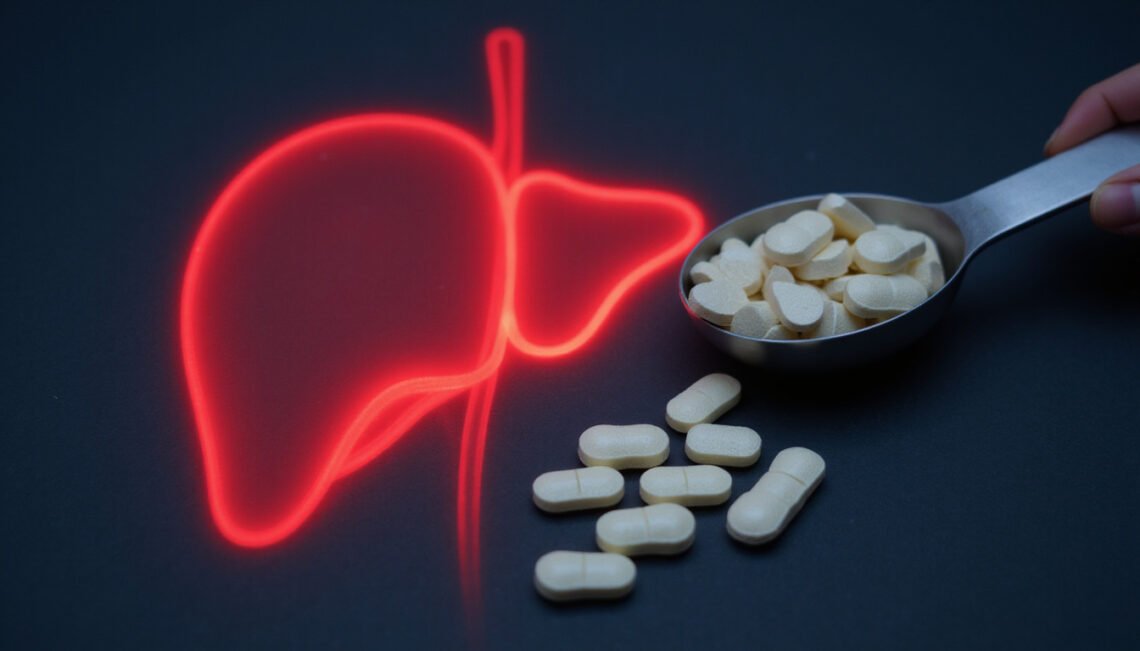
Acetaminophen is one of the most commonly used pain and fever reducers in the world. It’s in everything from cold medicine to prescription pain pills—and that’s exactly why dosage mistakes are so common. Used correctly, acetaminophen is generally safe. Used incorrectly, it is one of the leading causes of sudden, severe liver failure in the United States and many other countries (source: NIH LiverTox).
This guide explains the most frequent acetaminophen dosage mistakes, how they damage the liver, and how to use this medication safely for you and your family.
Why Acetaminophen Can Be Dangerous for Your Liver
Acetaminophen (also called paracetamol in many countries) is processed mostly in your liver. At recommended doses, your liver can safely break it down. But when the dose is too high, harmful byproducts build up and overwhelm the liver’s normal defenses.
Key points about liver risk:
- The liver converts most acetaminophen into harmless substances.
- A small portion turns into a toxic compound (NAPQI).
- Normally, NAPQI is neutralized by glutathione, a protective molecule.
- When you take too much acetaminophen, your liver runs out of glutathione, and NAPQI starts to damage liver cells.
This damage can progress to acute liver failure, which can be life-threatening without urgent medical care.
Safe Daily Limits for Acetaminophen
Before looking at mistakes, it’s crucial to know the usual recommended maximum doses. Always check with your own healthcare provider, but commonly:
For most healthy adults
- Typical maximum: Up to 3,000 mg per day from all sources.
- Absolute upper limit (under medical supervision only): Up to 4,000 mg per day, but many experts now advise staying at or below 3,000 mg to be safer.
For children
Dosing is based on weight, and liquid products come with clear instructions. Never guess a child’s dose—always follow the product label or your pediatrician’s directions.
When you may need a lower limit
You should often stay below standard maximum doses if you:
- Have existing liver disease
- Drink alcohol regularly (especially 3+ drinks per day)
- Are malnourished or have eating disorders
- Are older adults with multiple medications
- Use other drugs that affect the liver
In these cases, speak to your doctor or pharmacist before using acetaminophen.
Dosage Mistake #1: Exceeding the Daily Maximum without Realizing It
The most common error is simply taking too much in 24 hours. This often happens unintentionally, not because someone swallows a whole bottle at once.
Ways this occurs:
- Taking extra doses because pain or fever isn’t controlled
- Forgetting you already took a dose and repeating it
- Using multiple products that all contain acetaminophen
- Following old dosing habits that exceed newer, safer limits
Even going “a little over” repeatedly (for example, 4,000–5,000 mg a day for several days) can strain your liver and raise the risk of damage.
What to do instead:
Track every dose and add up the total amount per day. Many people find it helpful to:
- Use a phone notes app or medication-tracking app.
- Keep a notepad in the bathroom or by the medicine cabinet.
- Use a 24-hour clock: write down the time and amount each time you take a dose.
Dosage Mistake #2: Stacking Multiple Acetaminophen-Containing Products
Acetaminophen is not just in the bottle labeled “acetaminophen.” It appears in:
- Cold and flu remedies
- Sinus and allergy medications
- Sleep aids
- Migraines and combination pain relievers
- Certain prescription pain pills (often combined with opioids)
Because it appears under various brand names (Tylenol, Panadol, Excedrin Tension Headache, and many others), many people don’t realize they’re doubling or tripling their intake.
How to spot it on labels:
Look at the “Active ingredients” section for terms like:
- Acetaminophen
- APAP (an abbreviation sometimes used on prescriptions)
- Paracetamol (outside the U.S.)
If you see acetaminophen or APAP in more than one medication you’re taking, you must add all of those doses together to stay under the daily limit.
Dosage Mistake #3: Taking Extra “Just in Case”
Some people assume that if one tablet helps a little, two or three at once will work much better. Or they take another dose just before bed “to stay ahead of the pain,” even if it’s not yet time.
Problems with this approach:
- It increases the total amount in your system.
- It may shorten the time between doses below the recommended interval.
- It often leads to accidental overdose over the course of the day.
Typical adult directions for standard-strength acetaminophen:
- Dose size: Usually 325–650 mg
- Time between doses: Every 4–6 hours as needed
- Maximum doses per day: Follow the label; don’t exceed daily maximum mg.
Always:
- Stick to the labeled dose unless your doctor explicitly tells you otherwise.
- Respect the minimum time between doses.
- If pain or fever remains uncontrolled, speak to a healthcare provider rather than self-escalating.
Dosage Mistake #4: Using Adult Products for Children (or Guessing the Dose)
Children metabolize medications differently, and overdosing can occur quickly in younger bodies with smaller livers.
Common mistakes:
- Giving a child an adult tablet or capsule and “cutting it in half” without guidance
- Using a household spoon instead of the provided measuring tool
- Guessing the dose based on age rather than weight
- Using concentrated infant drops like regular children’s liquid
Better practices:
- Use child-specific acetaminophen products.
- Always use the measuring dropper, cup, or syringe that comes with the product.
- Dose based on the child’s current weight, according to the package or pediatrician.
- Call a pediatrician before giving acetaminophen to babies under 3 months unless directed.
Dosage Mistake #5: Mixing Acetaminophen with Heavy Alcohol Use
Alcohol and acetaminophen both stress the liver. Combining them, especially in high amounts, can be dangerous.
Risks increase when:
- You drink three or more alcoholic beverages daily.
- You binge drink and then take acetaminophen for the hangover.
- You have chronic liver disease from alcohol but use regular doses of acetaminophen anyway.
Alcohol changes how your liver processes acetaminophen, often creating more of the toxic byproduct (NAPQI) and depleting your liver’s defenses.
If you drink regularly:
- Talk with your doctor about whether acetaminophen is appropriate.
- If allowed, use the lowest effective dose for the shortest possible time.
- Never exceed recommended daily maximums.
Dosage Mistake #6: Ignoring Liver Disease or Other Risk Factors
Acetaminophen can sometimes be used in people with liver conditions, but dosing must be carefully individualized. You should be extra cautious if you have:
- Chronic hepatitis B or C
- Cirrhosis
- Fatty liver disease (nonalcoholic or alcoholic)
- Previous liver injury from medications or toxins
Other risk factors for liver damage include:
- Severe malnutrition or fasting
- Certain medications that affect liver enzymes
- HIV or other chronic illnesses that affect nutrition and metabolism
In these situations, you should:
- Ask your doctor for a personalized maximum daily dose.
- Avoid using acetaminophen for long periods without medical supervision.
- Report any unusual symptoms (fatigue, dark urine, yellowing of skin or eyes) promptly.
Dosage Mistake #7: Long-Term Daily Use without Medical Supervision
Acetaminophen is often viewed as “safer than NSAIDs,” especially for people with stomach issues or kidney disease. But using it:
- Every day
- For weeks or months
- At or near maximum daily doses
can still create a cumulative strain on your liver, particularly if you also have other risk factors.
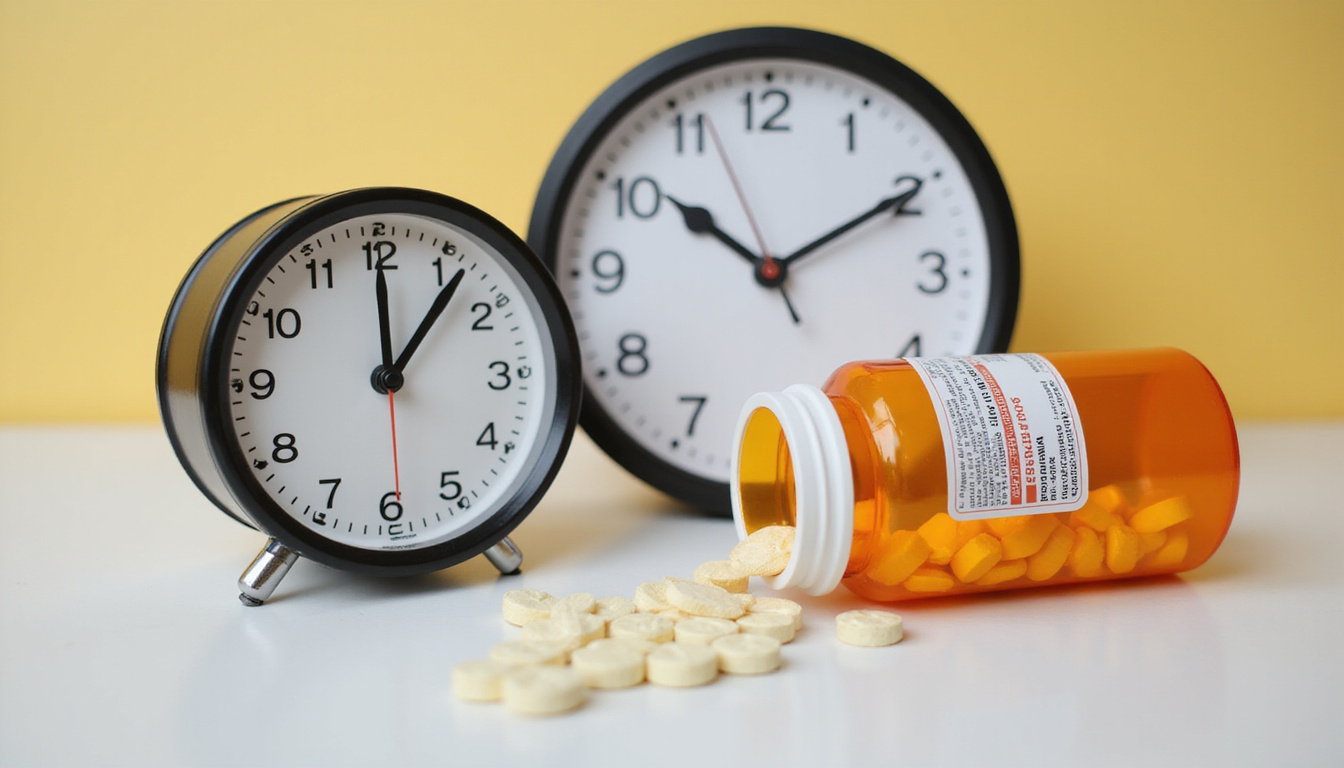
If you need acetaminophen most days of the week for more than 7–10 days (for pain) or more than 3 days (for fever), you should talk with a healthcare provider. Persistent pain and fever deserve a proper evaluation and a long-term management plan, not unmonitored chronic self-medication.
Warning Signs of Acetaminophen-Related Liver Damage
Liver problems from acetaminophen may not cause symptoms right away. Initial signs can be vague and easily mistaken for a stomach bug or flu.
Symptoms to watch for:
- Loss of appetite
- Nausea and vomiting
- Abdominal pain, especially in the upper right side
- Feeling very tired, weak, or confused
- Dark urine and/or pale or clay-colored stools
- Yellowing of the skin or eyes (jaundice)
- Itching all over
If you suspect you, your child, or someone else has taken too much acetaminophen—even if they feel fine—seek medical help immediately. An antidote (N-acetylcysteine, NAC) can often prevent serious damage, but it works best when started early.
In the U.S., you can call Poison Control at 1-800-222-1222 for immediate expert guidance.
How to Use Acetaminophen Safely: A Quick Checklist
To protect your liver, use this checklist whenever you reach for acetaminophen:
- Read the label carefully every time, even if it’s a familiar brand.
- Check all your medications (including cold/flu, sleep, and prescription meds) for acetaminophen or APAP.
- Calculate your total daily dose from all sources and keep it at or below your recommended maximum.
- Follow age- and weight-based dosing for children and infants; never guess.
- Avoid alcohol or limit intake when using acetaminophen, especially in higher or repeated doses.
- Talk to your doctor if you have liver disease or drink regularly before using acetaminophen.
- Seek help promptly if you suspect an overdose, even if there are no symptoms yet.
FAQ: Common Questions about Acetaminophen and Liver Safety
1. How much acetaminophen is too much for your liver?
For most healthy adults, regularly going above 3,000–4,000 mg in 24 hours from all acetaminophen sources increases the risk of liver injury. However, even lower amounts can be risky if you have liver disease, drink a lot of alcohol, or are otherwise medically fragile. When in doubt, ask your healthcare provider for a personalized limit.
2. Is acetaminophen or ibuprofen worse for your liver?
Acetaminophen is more directly linked to liver damage when overdosed, while ibuprofen is more likely to cause issues with the stomach, kidneys, and sometimes the heart. In people with healthy livers who follow dosing instructions, acetaminophen is generally safe. Those with existing liver disease or heavy alcohol use may need special caution or alternative options.
3. Can you take acetaminophen every day safely?
Occasional use of acetaminophen at recommended doses is usually safe for most people. Daily or near-daily use over long periods should be supervised by a healthcare provider, especially if you need higher doses or have any liver or alcohol-related risk factors. Long-term daily use is a sign that your pain or symptoms need a comprehensive medical evaluation.
Using acetaminophen wisely can give you effective relief from pain and fever without putting your liver at risk. Understanding the most common dosage mistakes—and how to avoid them—puts you in control of your health.
If you rely on acetaminophen regularly, or if you’re unsure whether your current dosing is safe, now is the time to act. Review your medications, check the labels in your medicine cabinet, and talk with your doctor or pharmacist about the safest way to manage your symptoms. Taking a few careful steps today can protect your liver for years to come.