The Trendelenburg sign is a classic clinical clue that points to weakness in the muscles that stabilize your hip and pelvis. Learning how to spot it—whether you’re a clinician, a patient, or a fitness professional—can help you detect hip problems early, prevent injuries, and guide more effective treatment or training plans. This guide breaks down what the Trendelenburg sign is, how to test for it, what causes it, and what to do next if it’s positive.
What Is the Trendelenburg Sign?
The Trendelenburg sign is a physical exam finding that shows impaired control of the pelvis during single-leg stance. In simple terms:
- When a person stands on one leg,
- The pelvis should stay level,
- If the pelvis drops on the side of the lifted leg, that’s considered a positive Trendelenburg sign.
It’s a hallmark of weakness or dysfunction of the hip abductor muscles—primarily the gluteus medius and gluteus minimus—or the nerves and structures that support them. These muscles are responsible for keeping your pelvis level when you stand on one leg, walk, or run.
Why the Trendelenburg Sign Matters
A positive Trendelenburg sign is far more than just a clinical curiosity. It has real-world implications:
- It indicates hip instability.
- It can contribute to abnormal gait patterns (Trendelenburg gait).
- It may be an early warning sign of underlying hip pathology such as arthritis, nerve injury, or structural deformity.
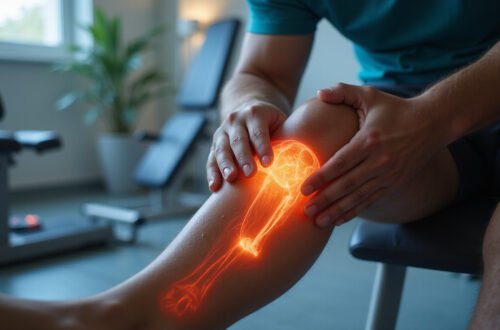
- It frequently shows up in people with hip pain, low back pain, and knee pain, due to altered biomechanics.
Identifying this sign quickly allows earlier intervention—such as targeted strengthening, activity modification, or further diagnostic workup—before secondary problems develop.
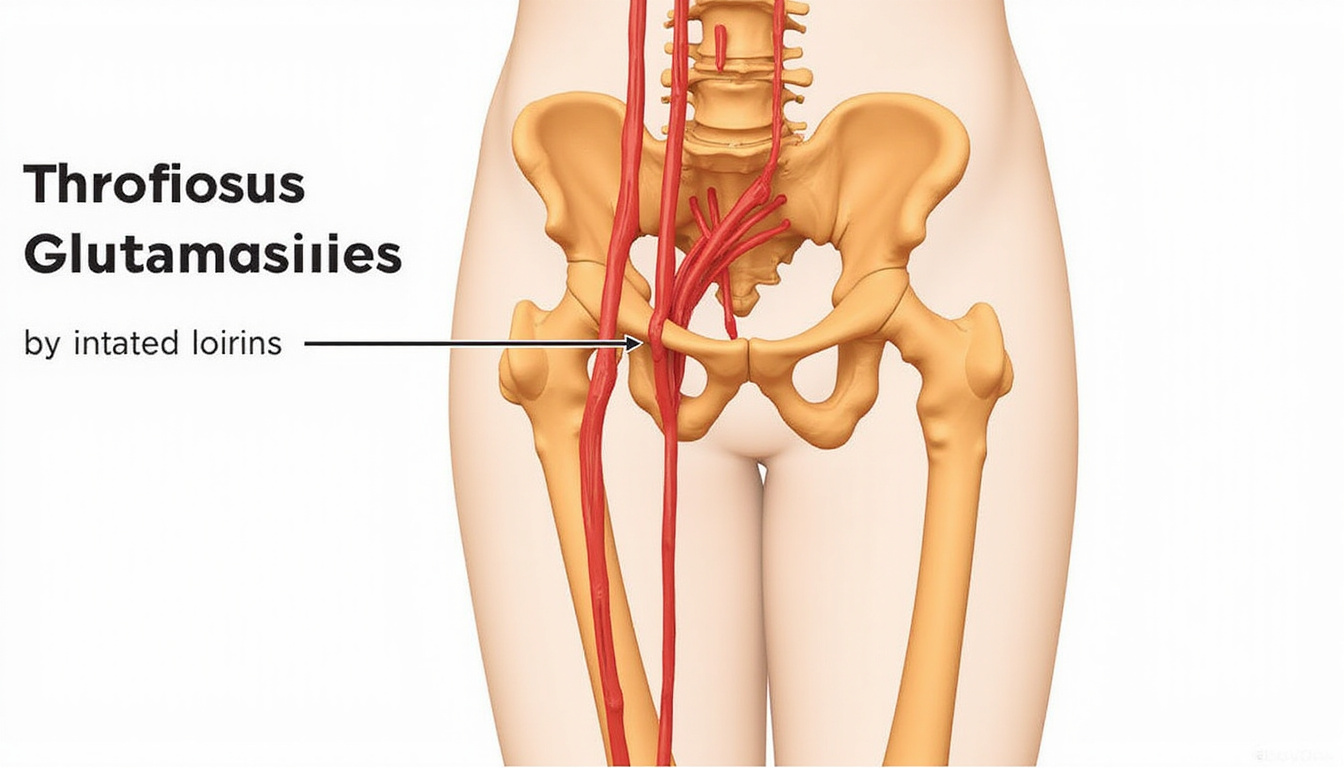
The Anatomy Behind the Trendelenburg Sign
To understand why the Trendelenburg sign appears, it helps to know which structures are involved.
Key Muscles
- Gluteus medius: The main hip abductor; crucial for stabilizing the pelvis in single-leg stance.
- Gluteus minimus: Assists the gluteus medius in abduction and stabilization.
- Tensor fasciae latae (TFL): A smaller hip abductor that also contributes to pelvic control.
These muscles are especially active when you:
- Walk or run
- Go up and down stairs
- Stand on one leg (e.g., putting on pants, stepping into a car)
Nerve Supply
- Superior gluteal nerve (originating from L4–S1 spinal roots) supplies the gluteus medius and minimus.
Damage to this nerve—after hip surgery, trauma, or due to neurologic conditions—can lead to a positive Trendelenburg sign even if the muscles themselves are structurally intact.
Bony and Joint Structures
- Hip joint (femoral head and acetabulum)
- Pelvic bones (ilium, ischium, pubis)
Structural abnormalities—such as hip dysplasia, severe osteoarthritis, or deformities from childhood hip disease—can disrupt the way these muscles work, also producing a Trendelenburg pattern.
How to Perform the Trendelenburg Test
The classic Trendelenburg test is simple and quick. Here’s how clinicians typically perform it, and how you can understand what they’re looking for.
Step-by-Step: Clinical Method
-
Starting position
- The patient stands upright, barefoot if possible, with feet shoulder-width apart.
- The examiner stands behind the patient.
-
Visual landmarks
- The examiner watches the level of the pelvis—commonly using the tops of the pelvic bones (iliac crests) as reference.
-
Single-leg stance
- The patient is asked to lift one foot off the ground by flexing the hip and knee, standing only on the opposite leg.
- This position is held for about 30 seconds, if possible.
-
Observation
- The examiner observes what happens to the pelvis:
- Normal (negative Trendelenburg): The pelvis stays level or slightly rises on the side of the lifted leg.
- Positive Trendelenburg sign: The pelvis drops on the side of the lifted leg, indicating weakness on the stance leg side.
- The examiner observes what happens to the pelvis:
-
Repeat on the other side
- The same steps are performed with the opposite leg.
Self-Check Version (With Caution)
You can get a rough sense of this at home, but it’s not a substitute for a professional exam:
- Stand in front of a full-length mirror or film yourself from behind.
- Place your thumbs or hands on the top of your pelvis to feel if one side drops.
- Lift one leg and hold for 20–30 seconds.
- Watch or review the video to see if your pelvis tilts downward on the side of the lifted leg.
If you notice a clear pelvic drop, or if this test causes pain, consult a healthcare provider for a proper assessment.
What a Positive Trendelenburg Sign Tells You
A positive Trendelenburg sign indicates that the hip abductor muscles on the stance side are not doing their job effectively. Common causes include:
1. Gluteus Medius or Minimus Weakness
- Sedentary lifestyle or deconditioning
- Prolonged sitting and poor movement habits
- Older age with loss of muscle mass (sarcopenia)
- Previous injuries that led to disuse
2. Superior Gluteal Nerve Injury
- Complication after hip replacement surgery
- Pelvic trauma
- Certain neurologic conditions (e.g., polio in the past, peripheral neuropathies)
3. Hip Joint Pathology
- Hip osteoarthritis
- Developmental dysplasia of the hip (DDH)
- Femoroacetabular impingement (FAI)
- Childhood hip diseases such as Legg-Calvé-Perthes disease or slipped capital femoral epiphysis
4. Post-Surgical or Traumatic Changes
- Post-hip replacement or other hip surgeries where abductor tendons or nerves are affected
- Fractures of the pelvis or proximal femur
5. Functional or Biomechanical Issues
- Poor movement patterns (e.g., dynamic knee valgus during running or squats)
- Weak core musculature contributing to pelvic instability
- Leg length discrepancy, forcing compensation at the hip
A positive Trendelenburg sign doesn’t tell you precisely which of these is the cause, but it signals that something is wrong in the lateral hip stabilizing system.
Trendelenburg Gait: How Hip Weakness Shows Up When You Walk
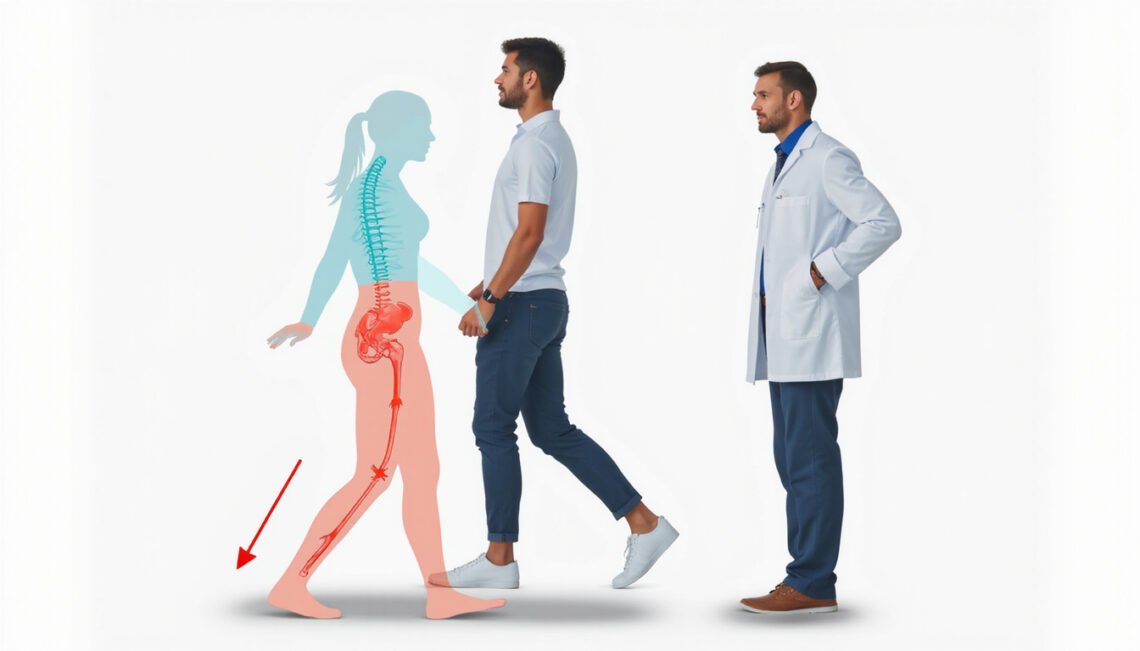
When the same muscle weakness that causes a positive Trendelenburg sign is present during walking, it often produces a Trendelenburg gait:
- During the stance phase on the affected leg, the pelvis drops on the opposite side.
- To compensate, the person may:
- Shift their torso over the stance leg.
- Shorten the time spent on the weak leg.
- Take smaller steps.
This pattern helps reduce the demand on the gluteus medius but can increase stress on the spine, knees, and other joints. Over time, it can lead to secondary pain or overuse injuries.
How Clinicians Use the Trendelenburg Sign
Healthcare professionals rarely rely on the Trendelenburg sign alone. They integrate it into a broader evaluation that may include:
- Detailed history (onset of pain, surgeries, trauma, neurologic symptoms)
- Manual muscle strength testing for hip abductors
- Gait analysis (watching you walk)
- Range of motion testing of the hip and surrounding joints
- Imaging, when appropriate:
- X-rays for arthritis or structural deformities
- MRI to assess gluteal tendons, muscles, or labrum
- Nerve studies if a neuropathy is suspected
The Trendelenburg sign is especially useful in cases of hip osteoarthritis and post-hip-replacement assessment, helping clinicians identify instability and guide rehabilitation (source: American Academy of Orthopaedic Surgeons).
Can You Fix a Positive Trendelenburg Sign?
In many cases, yes—especially when the primary issue is muscle weakness or poor motor control.
Common Treatment and Management Strategies
-
Targeted strengthening
- Focus on hip abductors (gluteus medius/minimus), often with:
- Side-lying leg raises
- Clamshells
- Side steps with resistance bands
- Single-leg stands, progressing to dynamic single-leg exercises
- Progress gradually to avoid irritation of tendons or bursae.
- Focus on hip abductors (gluteus medius/minimus), often with:
-
Neuromuscular control training
- Exercises that train the brain and muscles to coordinate better:
- Single-leg balance on stable and unstable surfaces
- Step-downs from a small platform while keeping the pelvis level
- Functional drills that mimic walking, stairs, and daily activities
- Exercises that train the brain and muscles to coordinate better:
-
Core and trunk stability work
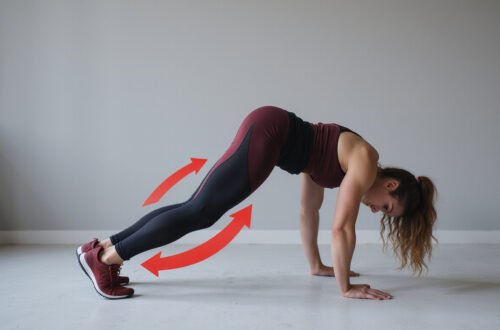
- Planks, side planks, bridges, and anti-rotation exercises
- Helps support the pelvis from above, reducing strain on hip abductors
-
Manual therapy and modalities
- Soft tissue work, joint mobilization, and stretching to address tight surrounding muscles
- Heat, ice, or other modalities for pain as appropriate
-
Treating underlying pathology
- For arthritis, dysplasia, severe tendon tears, or nerve injuries, management may include:
- Medications or injections
- Bracing or assistive devices
- In some cases, surgery (e.g., tendon repair, hip replacement, corrective procedures)
- For arthritis, dysplasia, severe tendon tears, or nerve injuries, management may include:
-
Activity modification
- Temporarily reducing or modifying high-load activities (running, heavy squats, long walks on uneven terrain)
- Gradually returning as strength and control improve
Always seek individualized advice from a physical therapist, sports medicine physician, or orthopedic specialist if you suspect a Trendelenburg pattern.
Simple Hip Abductor Exercises to Get Started
If you’ve been told you have a positive Trendelenburg sign due to muscular weakness and your clinician has cleared you to exercise, these basic moves are often used early in rehab:
-
Side-lying hip abduction
- Lie on your side, bottom leg bent, top leg straight.
- Lift the top leg up in line with your body, keeping toes slightly down.
- 2–3 sets of 10–15 reps each side.
-
Standing lateral band walks
- Place a resistance band around your ankles or just above the knees.
- Slightly bend knees and hips, step sideways, keeping tension on the band.
- 2–3 sets of 10–15 steps each direction.
-
Single-leg stance
- Stand on one leg near a support.
- Keep pelvis level, core tight.
- Hold 20–30 seconds; repeat 3–5 times each leg.
These are general examples, not medical prescriptions. Stop if you have sharp pain and seek professional guidance.
FAQ: Trendelenburg Sign and Hip Weakness
1. What does a positive Trendelenburg sign indicate?
A positive Trendelenburg sign indicates weakness or dysfunction of the hip abductor muscles—mainly the gluteus medius and minimus—on the side of the leg you’re standing on. It can result from muscle weakness, nerve injury, or hip joint problems, and often correlates with a Trendelenburg gait during walking.
2. How is the Trendelenburg test different from a Trendelenburg gait?
The Trendelenburg test is a static exam where you stand on one leg and the examiner watches for pelvic drop. A Trendelenburg gait is a dynamic walking pattern where the pelvis drops on the side opposite the affected hip during the stance phase, often leading to a side-to-side “lurching” movement.
3. Can exercises reverse a Trendelenburg sign and improve hip stability?
Yes, when the cause is primarily muscular weakness or poor motor control, targeted hip abductor strengthening and balance training can reduce or even resolve a Trendelenburg sign. However, if structural deformity or severe nerve damage is involved, exercises alone may not fully normalize the sign, and additional medical or surgical interventions may be needed.
Take Action: Don’t Ignore the Trendelenburg Sign
If you or someone you work with shows a Trendelenburg sign, it’s a clear signal that the hip and pelvis are not functioning optimally. Leaving it unaddressed can contribute to persistent hip pain, back discomfort, or knee issues due to poor biomechanics.
Schedule an evaluation with a qualified healthcare professional—such as a physical therapist, sports medicine doctor, or orthopedic specialist—to:
- Confirm whether the Trendelenburg sign is present
- Identify the underlying cause
- Build a personalized plan to restore hip strength and stability
Early detection and targeted intervention can transform a subtle pelvic drop into stronger, more confident movement in everyday life, sport, and beyond.