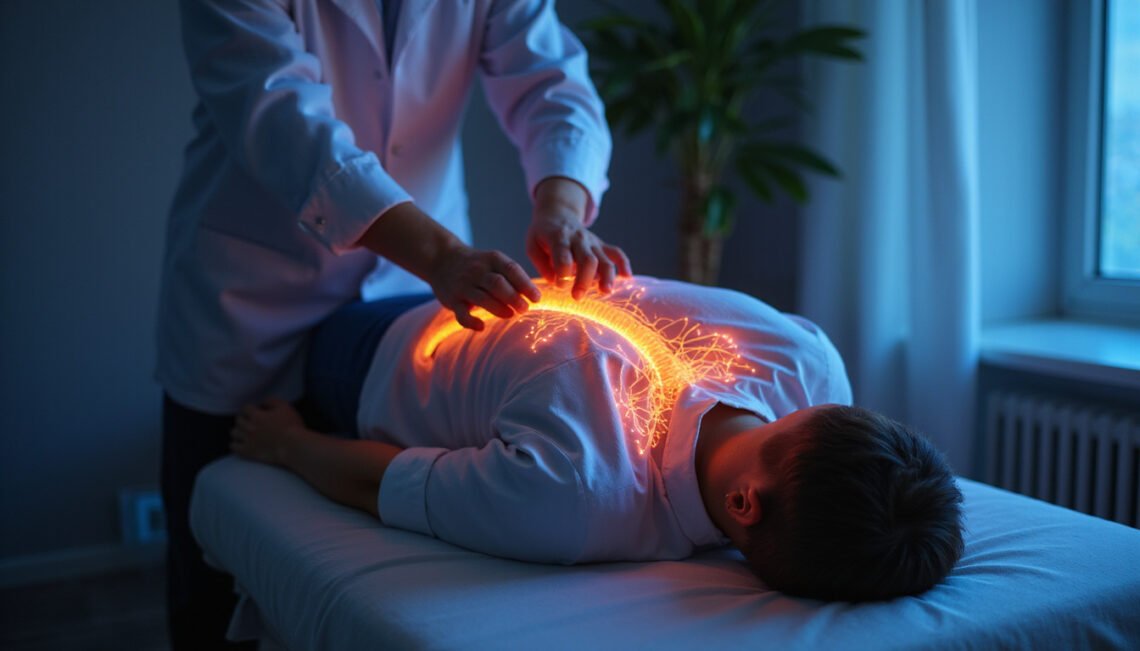
Sciatic Decompression Techniques That Relieve Chronic Lower Back and Leg Pain
Chronic lower back and leg pain can make simple activities—walking, sitting, sleeping—feel like a challenge. For many people, the culprit is irritation of the sciatic nerve. Understanding modern sciatic decompression techniques can help you choose safe, effective ways to relieve pain, restore mobility, and protect your long‑term spinal health.
What Is Sciatic Decompression?
Sciatic decompression refers to any treatment or procedure designed to relieve pressure on the sciatic nerve. The sciatic nerve runs from the lower back through the hips and buttocks and down each leg. When compressed or irritated, it can cause:
- Lower back pain
- Sharp, burning leg pain (often worse than the back pain)
- Numbness or tingling in the leg or foot
- Muscle weakness
Decompression can be non-surgical (conservative) or surgical, depending on the underlying cause and severity of the symptoms.
Common causes of sciatic nerve compression include:
- Herniated or “slipped” lumbar discs
- Degenerative disc disease
- Spinal stenosis (narrowing of the spinal canal)
- Spondylolisthesis (vertebra slipping forward)
- Piriformis syndrome (tight muscle in the buttock compressing the nerve)
A tailored plan often combines lifestyle changes, targeted exercises, and possibly procedures to create space around the nerve and reduce inflammation.
When Is Sciatic Decompression Needed?
Not every episode of sciatica needs formal decompression. Many mild cases improve within 4–6 weeks with rest, movement, and basic care. Decompression becomes more important when:
- Pain or leg symptoms persist beyond 6–8 weeks
- Symptoms significantly limit work, sleep, or daily activities
- There is progressive leg weakness, foot drop, or difficulty walking
- Pain is severe and not responding to medications or physical therapy
- Imaging (MRI/CT) shows a clear structural cause, such as herniation or stenosis
“Red flag” symptoms—loss of bowel or bladder control, numbness in the groin/saddle area, or sudden severe weakness—require urgent medical assessment and often emergency decompression surgery.
Non-Surgical Sciatic Decompression Options
For most people, treatment starts with non-invasive methods. These approaches aim to reduce inflammation, improve spinal alignment, and relieve pressure around the sciatic nerve.
1. Targeted Physical Therapy
Physical therapy is a cornerstone of sciatic decompression without surgery. A therapist designs a customized program that may include:
- Nerve gliding (“flossing”) exercises to gently mobilize the sciatic nerve
- McKenzie-based extension exercises for disc-related sciatica
- Core strengthening (deep abdominals, glutes, and multifidus) to support the spine
- Hamstring and hip stretching to decrease tension on the nerve
- Posture and ergonomic training for sitting, lifting, and sleeping
A solid PT program not only eases current pain but also reduces the chance of future flare-ups.
2. Spinal Decompression Therapy (Non-Surgical)
Non-surgical spinal decompression uses a motorized traction table to gently stretch the spine. The goal is to:
- Slightly separate the vertebrae
- Reduce pressure inside the discs
- Encourage disc material or bulges to retract away from the nerve
- Improve fluid and nutrient delivery to spinal tissues
Sessions typically last 15–30 minutes, 2–3 times per week for several weeks. Research findings are mixed, but some patients report meaningful pain relief and functional improvement, especially when decompression is combined with exercise and lifestyle changes.
3. Chiropractic Care and Manual Therapy
Chiropractors and some physical therapists may use spinal manipulation and mobilization as part of sciatic decompression. Techniques aim to improve joint movement and alignment, potentially reducing nerve irritation.
Manual therapy approaches can include:
- Joint mobilization or gentle manipulation
- Soft-tissue work on tight hip and gluteal muscles
- Myofascial release around the piriformis and hamstrings
These methods should be performed by qualified professionals and are often most effective when integrated with a broader rehab plan.
4. Medications and Injections
While medications do not directly “decompress” the nerve, they can reduce inflammation and pain so you can fully engage in rehab:
- NSAIDs (ibuprofen, naproxen) for short-term pain and inflammation
- Oral steroids for acute, severe flare-ups (short course only)
- Nerve pain medications (e.g., gabapentin, pregabalin) when pain is neuropathic
- Epidural steroid injections to bathe irritated nerve roots in anti-inflammatory medication
Epidural injections can provide weeks to months of relief for some patients with disc herniation or spinal stenosis. They are often used when conservative care hasn’t worked well enough but surgery is not yet desired.
Lifestyle-Based Decompression: Everyday Habits That Matter
Small, consistent changes can significantly reduce pressure on the sciatic nerve over time.
- Ergonomic seating: Choose chairs with lumbar support, keep hips slightly higher than knees, and avoid long static sitting. Stand and move every 30–45 minutes.
- Smart lifting: Bend at the hips and knees, keep items close to your body, and avoid twisting while lifting.
- Weight management: Excess abdominal weight increases lumbar spine load. Even modest weight loss can decrease disc and joint stress.
- Regular movement: Walking, swimming, and low-impact cycling maintain circulation and joint flexibility without overloading the spine.
- Sleep position: Side-sleepers: place a pillow between your knees. Back-sleepers: a pillow under the knees can reduce lumbar tension.
These habits support and complement more formal sciatic decompression strategies.
Surgical Sciatic Decompression Procedures
When conservative care fails, or when there is serious nerve compromise, surgery may be the most effective way to relieve pressure and preserve nerve function. Surgical sciatic decompression is highly individualized and guided by imaging, symptoms, and overall health.
1. Microdiscectomy (for Herniated Discs)
A microdiscectomy is one of the most common surgeries for sciatic nerve compression caused by a lumbar disc herniation. Using a small incision and a microscope, the surgeon:
- Exposes the affected nerve root.
- Removes the herniated disc fragment or portion of disc pressing on the nerve.
- Leaves the rest of the disc intact whenever possible.
This minimally invasive approach typically involves:
- Shorter hospital stays (often same-day)
- Faster recovery compared with traditional open surgery
- High rates of pain relief for leg symptoms
According to the American Association of Neurological Surgeons, microdiscectomy for carefully selected patients with herniated discs and sciatica can result in rapid and significant symptom improvement (source: AANS).

2. Laminectomy (for Spinal Stenosis)
When spinal stenosis narrows the spinal canal or nerve canals (foramina), a laminectomy may be recommended. The surgeon:
- Removes part or all of the lamina (back portion of the vertebra)
- May trim bone spurs or thickened ligaments
- Creates more space for the spinal cord and nerve roots
This decompression can dramatically relieve leg pain and walking intolerance common in lumbar stenosis. In some cases, it is combined with fusion (see below).
3. Foraminotomy (for Nerve Root Compression)
If the nerve is pinched as it exits the spine through the foramen, a foraminotomy enlarges this opening:
- Bone or tissue pressing on the nerve is shaved or removed
- Goal is to free up the nerve root with minimal removal of supportive structures
Foraminotomy may be performed alone or with other procedures like discectomy or laminectomy.
4. Spinal Fusion (For Instability)
When spinal instability (such as advanced spondylolisthesis or severe degenerative disc disease) contributes to nerve compression, spinal fusion may be needed alongside decompression. Fusion:
- Joins two or more vertebrae together with bone grafts and hardware
- Aims to prevent abnormal movement that continues to irritate the nerve
Fusion is generally reserved for cases where decompression alone would leave the spine unstable or when previous surgeries have failed.
Risks and Recovery from Surgical Sciatic Decompression
All surgeries carry risk, including:
- Infection
- Bleeding
- Dural tear (spinal fluid leak)
- Blood clots
- Nerve injury or persistent symptoms
However, in experienced hands and with proper patient selection, complication rates are relatively low.
Recovery typically includes:
- Early walking to promote circulation and healing
- Progressive physical therapy focused on stabilization and mobility
- Gradual return to work and activities, often within weeks for microdiscectomy and longer for laminectomy or fusion
Many patients experience rapid leg pain relief, though numbness or weakness can take longer to improve, depending on how long the nerve was compressed.
How to Choose the Right Sciatic Decompression Approach
The best decompression strategy depends on your unique situation. Key steps include:
-
Get a clear diagnosis
- Thorough history and physical exam
- Imaging (MRI/CT) if symptoms persist or are severe
-
Start with conservative care
- Structured physical therapy
- Medications as needed
- Non-surgical decompression or manual therapy when appropriate
-
Monitor your response
- Are you improving after 6–12 weeks?
- Is pain more manageable and function increasing?
-
Consider surgical consultation if
- Pain or disability remains severe
- You have progressive weakness or neurological changes
- Imaging shows a surgically correctable cause of compression
A spine specialist (orthopedic spine surgeon, neurosurgeon, or physiatrist) can help you weigh risks and benefits based on clinical evidence and your personal goals.
At-Home Strategies to Support Sciatic Decompression
While you should always consult your healthcare provider before starting new exercises, many people with stable symptoms benefit from simple home-based strategies:
- Daily gentle stretching of hamstrings, hip flexors, piriformis, and low back
- Low-impact aerobic activity, such as 20–30 minutes of walking, 5 days per week
- Core stability work, like bridges, bird-dogs, and pelvic tilts
- Heat or ice applied to the lower back or buttocks for 15–20 minutes as needed
- Mind–body practices (yoga, tai chi, breathing exercises) to reduce muscle tension
These measures support professional sciatic decompression treatments and may reduce flare-up frequency and intensity.
FAQ: Sciatic Decompression and Related Questions
1. What is the success rate of sciatic nerve decompression surgery?
Success rates vary depending on the cause, procedure, and patient factors. For well-selected patients with a herniated disc, microdiscectomy—one of the most common forms of sciatic nerve decompression—has a high rate of leg pain relief, often above 80–90%. Outcomes are typically better when surgery is done before long-term, severe nerve damage occurs.
2. Can non-surgical sciatic decompression therapy cure chronic leg pain?
Non-surgical sciatic decompression therapy, such as traction-based spinal decompression and targeted physical therapy, can substantially reduce or even resolve symptoms for many people, especially when the compression is mild to moderate. However, “cure” depends on the underlying cause. Structural problems like large herniations or advanced stenosis sometimes still require surgery, even after conservative treatment.
3. How long does it take for sciatica to improve after decompression?
Time frames vary. After non-surgical sciatica decompression strategies, some people feel better within days to weeks, while others improve gradually over several months. After surgical decompression, leg pain often improves quickly—sometimes immediately—though numbness, tingling, or weakness may take longer. Full recovery, especially after more extensive surgeries, can take 3–6 months or more.
Take the Next Step Toward Lasting Relief
Living with chronic lower back and leg pain can drain your energy, limit your independence, and affect every part of your life. You don’t have to simply “live with it.” Understanding modern sciatic decompression options—ranging from targeted physical therapy and spinal traction to advanced minimally invasive surgery—gives you real choices for meaningful relief.
If your symptoms are persistent, worsening, or interfering with your work, sleep, or daily activities, schedule a thorough evaluation with a qualified spine or pain specialist. Bring your questions, ask about both conservative treatments and surgical options, and work together to build a personalized decompression plan.
The sooner you address sciatic nerve compression, the better your chances of reducing pain, protecting nerve function, and getting back to the active, comfortable life you want.