Leg pain can derail your day, interrupt your sleep, and make even simple tasks feel exhausting. Whether it’s a dull ache after work or a sharp, shooting pain that stops you mid-step, finding reliable leg pain relief is essential for staying active and protecting your long-term mobility. The good news: you don’t have to live with constant discomfort. There are doctor-approved strategies you can start using today to reduce pain, improve circulation, and support healthier legs.
Below you’ll find seven evidence-based, practical methods to ease leg pain—plus tips to help you know when it’s time to see a healthcare professional.
Understanding the Root of Your Leg Pain
Before diving into leg pain relief strategies, it’s important to recognize that “leg pain” isn’t one single problem. It’s a symptom with many possible causes, including:
- Overuse or muscle strain
- Poor circulation or varicose veins
- Nerve compression (such as sciatica)
- Joint issues like arthritis
- Blood clots (deep vein thrombosis)
- Electrolyte imbalances or dehydration
Pay attention to:
- Location: front of thigh, back of calf, knee, ankle, entire leg?
- Type of pain: dull, throbbing, cramping, burning, tingling, sharp?
- Timing: worse at night, after walking, at rest, or all the time?
- Triggers: specific activities, positions, shoes, or surfaces?
This self-awareness helps you apply the right strategy and gives your doctor valuable clues if you need professional care.
1. Use the R.I.C.E. Method for Sudden Leg Injuries
For many acute leg issues—like a strained calf, pulled hamstring, or sore knee after a run—the R.I.C.E. method is still one of the most doctor-recommended first steps for leg pain relief:
-
Rest:
- Reduce weight-bearing on the painful leg.
- Avoid the movements that triggered the pain (running, jumping, heavy lifting) for a few days.
-
Ice:
- Apply a cold pack or a bag of ice wrapped in a cloth for 15–20 minutes at a time.
- Repeat every 2–3 hours during the first 48 hours to reduce swelling and dull pain.
-
Compression:
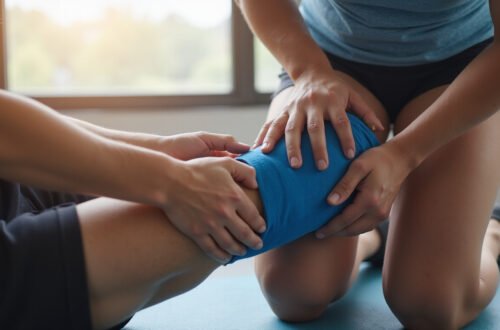
- Use an elastic bandage or compression sleeve to support the area.
- Wrap snugly but not so tight that it causes numbness or tingling.
-
Elevation:
- Raise your leg above heart level when resting.
- This can help minimize swelling and speed recovery.
If pain doesn’t improve after a few days of consistent R.I.C.E.—or if you can’t put weight on your leg at all—contact a healthcare provider to rule out a more serious injury.
2. Stretch and Strengthen the Right Muscles
Targeted exercise is one of the most powerful long-term tools for leg pain relief. Weak, tight, or imbalanced muscles put extra strain on joints, tendons, and ligaments, setting you up for chronic discomfort.
Gentle Stretches
Perform these stretches daily, holding each for 20–30 seconds without bouncing:
- Calf stretch: Stand facing a wall, one foot back. Keep the back heel down and knee straight as you lean forward.
- Hamstring stretch: Sit with one leg straight in front of you and the other bent. Reach toward the toes of the straight leg while keeping your back long.
- Quadriceps stretch: Stand holding a chair for balance. Bend one knee and bring your heel toward your buttock, holding your ankle to stretch the front of your thigh.
Strengthening Exercises
Stronger leg muscles support joints and reduce strain:
- Wall sits: Slide your back down a wall until your knees are at about 90 degrees. Hold for 15–30 seconds, repeat 3–5 times.
- Bridges: Lie on your back, knees bent, feet hip-width apart. Lift your hips until your body forms a straight line from shoulders to knees.
- Calf raises: Hold a countertop, rise up onto your toes, then slowly lower. Aim for 2–3 sets of 10–15 reps.
Gradually increase intensity. If exercise significantly worsens your pain or triggers sharp, stabbing sensations, stop and consult a physical therapist or doctor for individualized guidance.
3. Optimize Circulation with Movement and Positioning
Poor circulation is a common source of leg pain, heaviness, and cramping—especially if you sit or stand for long hours. Improving blood flow is a key aspect of effective leg pain relief.
Move More, More Often
- Get up every 30–60 minutes if you sit at a desk. Walk for 2–3 minutes, or march in place.
- If you stand most of the day, alternate weight between legs, use a footrest, and take brief walking breaks.
- Consider “desk pedals” or mini-ellipticals under your desk for gentle movement while working.
Elevate Your Legs
- At the end of the day, lie on your back and rest your calves on a pillow, ottoman, or the couch arm so your legs are above your heart.
- Try “legs up the wall” for 5–10 minutes: lie on your back near a wall and rest your legs vertically against it. This can reduce swelling and a heavy feeling in your legs.
Compression Garments
Physicians often recommend graduated compression stockings to help with:
- Varicose veins
- Swelling in the lower legs
- Leg discomfort from prolonged standing or sitting
These stockings gently squeeze the legs to support veins and promote upward blood flow. Ask your doctor about the right compression strength for your situation.
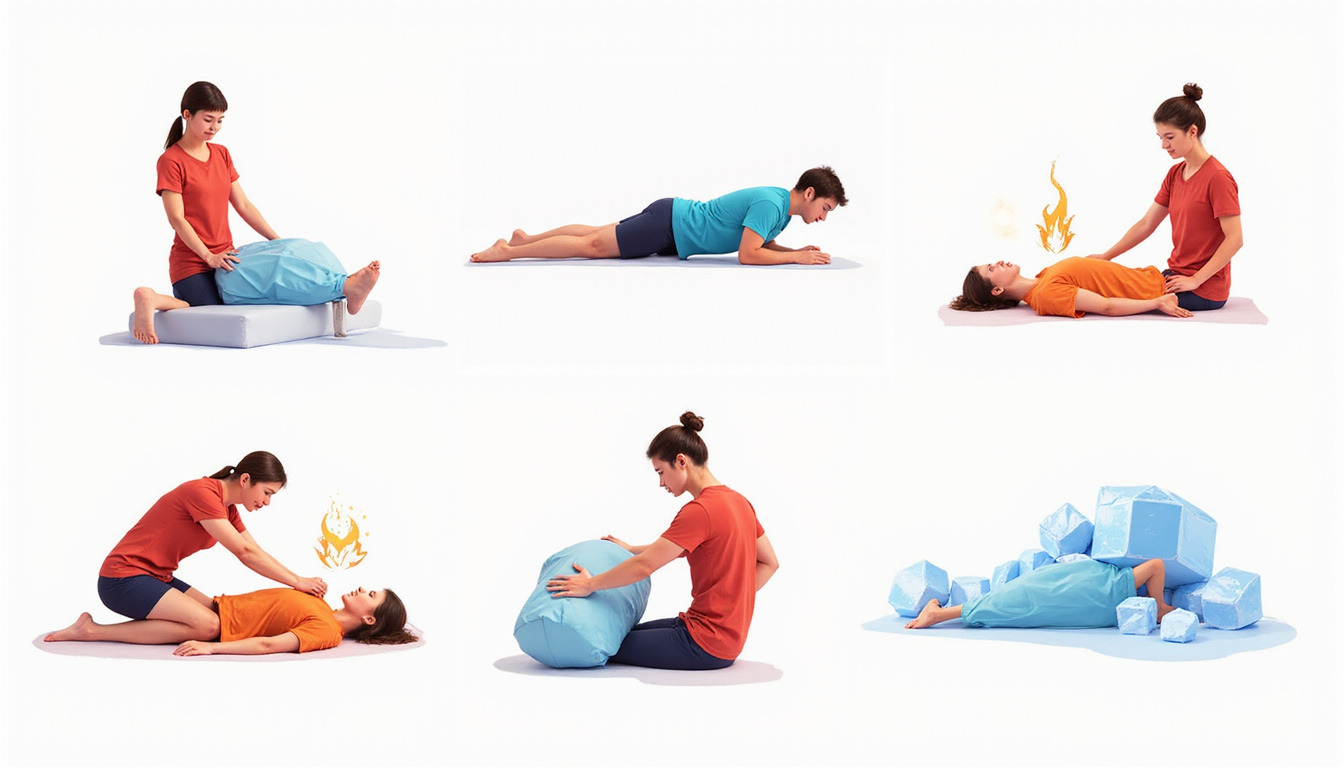
4. Use Heat and Cold Therapy Strategically
Knowing when to use heat vs. cold can make your leg pain relief efforts much more effective.
When to Use Cold
Cold is most helpful for:
- Fresh injuries (within the first 48 hours)
- Swelling, redness, or warmth in the area
- Pain that worsens after activity
Apply ice packs wrapped in a thin cloth for 15–20 minutes, then remove for at least the same amount of time.
When to Use Heat
Heat works best for:
- Chronic muscle tightness
- Stiffness or aching from old injuries
- Tension-related discomfort
Options include:
- Warm baths or showers
- Moist heating pads
- Warm towels placed on tight muscles
Use low or medium heat for 15–20 minutes. Avoid falling asleep on a heating pad and never apply heat to an area that’s already noticeably swollen or inflamed.
In some chronic conditions (like arthritis), alternating heat and cold can help: cold after heavier activity, heat to loosen up before movement.
5. Support Your Joints with Proper Footwear and Surfaces
Leg pain often starts from the ground up. Poor footwear and hard surfaces can overload your knees, hips, and lower back, creating a chain reaction of discomfort down the legs.
Footwear Checklist
Look for shoes that:
- Provide adequate arch support
- Have cushioning in the heel and forefoot
- Fit securely (no slipping at the heel or cramped toes)
- Are appropriate for the activity (running shoes for running, walking shoes for walking, etc.)
If you have flat feet, very high arches, or recurring leg pain, ask a podiatrist or physical therapist about:
- Custom orthotics
- Over-the-counter arch supports
- Specific shoe types for your foot shape
Modify Your Environment
- Use anti-fatigue mats if you must stand on hard floors at work.
- At home, add rugs or padded mats in high-use areas (kitchen, workshop).
- Consider alternating surfaces for exercise—mix indoor treadmill with outdoor running or softer trails to vary impact.
Small adjustments to support your feet can translate into big improvements in overall leg pain relief.
6. Check Your Nutrition, Hydration, and Lifestyle Habits
Leg pain can be aggravated or even caused by lifestyle factors. Optimizing these can reduce cramping, soreness, and fatigue.
Hydration and Electrolytes
Dehydration and imbalances in minerals like potassium, magnesium, and calcium can contribute to muscle cramps and spasms.
- Drink water regularly throughout the day, especially if you’re active or in hot environments.
- Include electrolyte-rich foods: bananas, oranges, leafy greens, nuts, seeds, yogurt.
- Talk to your doctor before taking supplements, especially if you have kidney or heart conditions.
Weight Management
Excess body weight increases stress on leg joints, especially knees and hips. Even modest weight loss can significantly reduce pain and improve function in people with osteoarthritis (source: Arthritis Foundation).
Focus on:
- Whole, minimally processed foods
- High-fiber meals (vegetables, fruits, whole grains)
- Lean proteins and healthy fats
Avoid Smoking
Smoking damages blood vessels and impairs circulation, which can worsen leg pain—particularly from vascular causes. Quitting improves overall health and may directly reduce leg discomfort over time.
7. Use Medication and Professional Care Wisely
Over-the-counter medications and targeted medical treatments can play an important role in leg pain relief—when used thoughtfully and under guidance.
Over-the-Counter (OTC) Options
Common choices include:
- Acetaminophen: Helps reduce pain, generally gentle on the stomach; be careful not to exceed daily dosage limits.
- NSAIDs (e.g., ibuprofen, naproxen): Help with pain and inflammation; should be used with caution if you have kidney issues, stomach ulcers, or certain heart conditions.
- Topical creams/gels: Products containing menthol, capsaicin, or topical NSAIDs can target localized pain with fewer systemic side effects.
Always read labels and speak with your healthcare provider if you’re on other medications or have chronic health conditions.
When to See a Doctor or Specialist
Seek medical care promptly if you notice:
- Sudden, severe leg pain, especially if it doesn’t improve with rest
- Swelling, warmth, redness, or tenderness in one leg (possible blood clot)
- Leg pain with chest pain, shortness of breath, or coughing up blood (call emergency services)
- Numbness, weakness, or difficulty moving the leg
- Leg pain that wakes you from sleep regularly or persists more than a few weeks
You may be referred to:
- A physical therapist for a personalized exercise and stretching program
- A podiatrist for foot and gait assessment
- A vascular specialist for circulation concerns
- An orthopedic specialist for joint, bone, or tendon issues
- A neurologist if nerve problems (like sciatica or neuropathy) are suspected
Professional evaluation ensures you’re not masking a serious condition and helps you get the most effective treatment.
Quick Reference: Doctor-Approved Leg Pain Relief Strategies
Here’s a simple recap list you can reference:
- Use R.I.C.E. (Rest, Ice, Compression, Elevation) for acute injuries.
- Stretch and strengthen calves, hamstrings, quads, and hips regularly.
- Improve circulation with frequent movement, elevation, and compression stockings.
- Use cold for recent injuries and inflammation; use heat for chronic tightness.
- Wear supportive, activity-appropriate footwear and soften hard surfaces.
- Stay hydrated, balance electrolytes, manage weight, and avoid smoking.
- Use OTC medications appropriately and consult professionals when needed.
FAQ: Common Questions About Leg Pain Relief
1. What is the fastest home remedy for leg pain relief?
For many minor strains or overuse injuries, combining rest, ice, and elevation often brings the quickest short-term leg pain relief. Elevate your leg above your heart, apply ice for 15–20 minutes, and avoid the triggering activity. For chronic stiffness, gentle stretching with a warm shower or heating pad can provide rapid relief.
2. How can I get rid of leg pain at night naturally?
Night-time leg pain relief often improves with good hydration, regular daytime stretching, and a short walk or gentle calf stretch before bed. Elevating your legs, using a pillow between your knees (if you sleep on your side), and wearing light compression socks during the day can also help. If cramps or pain persist nightly, ask your doctor to check for circulation or nerve issues.
3. Which exercises are best for lower leg pain relief?
For lower leg pain, simple exercises like calf raises, ankle circles, and gentle calf and Achilles stretches are typically recommended. Low-impact activities—such as walking, cycling, or swimming—improve circulation and strengthen muscles without excessive impact. If pain worsens with these exercises, stop and seek a professional evaluation.
Take Control of Your Leg Health Today
You don’t have to accept daily leg discomfort as an unavoidable part of life. With a focused approach—combining smart movement, thoughtful rest, circulation support, and, when necessary, professional care—you can experience real, lasting leg pain relief.
Start today by choosing two or three strategies from this guide to implement immediately—such as a daily stretching routine, better hydration, or improved footwear. If your pain is persistent, intense, or worrying, schedule an appointment with a healthcare professional and bring notes about your symptoms. The sooner you act, the faster you can get back to walking, working, and living with confidence and comfort.