Slipped Disc Recovery Guide: Proven Steps to End Back Pain
A slipped disc can turn everyday movements—sitting, walking, even breathing deeply—into a painful challenge. The good news: with the right plan, most people recover from a slipped disc without surgery and return to normal life. This slipped disc recovery guide walks you through proven, practical steps to end back pain safely and support long‑term spine health.
What Is a Slipped Disc, Really?
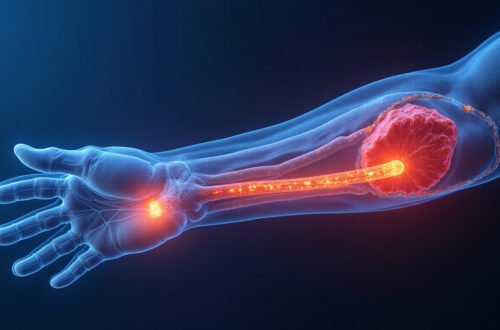
“Slipped disc” is a common term for a herniated disc—when the soft inner gel of a spinal disc pushes out through its tougher outer layer. It doesn’t literally “slip” out of place; instead, it bulges or ruptures.
Each disc acts like a shock absorber between the vertebrae. When part of a disc herniates, it can:
- Irritate or compress nearby nerves
- Trigger inflammation
- Cause pain, numbness, or weakness in the back, legs, or arms (depending on location)
Most slipped discs occur in the lumbar spine (lower back), but they can also occur in the cervical spine (neck).
Typical symptoms include:
- Localized lower back or neck pain
- Pain radiating down one leg (sciatica) or one arm
- Tingling, “pins and needles,” or numbness
- Muscle weakness in the legs, feet, shoulders, or hands
- Increased pain with sitting, coughing, or bending
If you experience loss of bladder or bowel control, severe weakness, or sudden numbness in the groin area, seek emergency care—those can be signs of serious nerve compression.
How Long Does Slipped Disc Recovery Take?
Recovery time from a slipped disc varies, but many people see major improvement in 6–12 weeks with conservative care. The disc often heals as the body reabsorbs some of the disc material and inflammation settles down.
Several factors affect recovery speed:
- Severity and location of the disc herniation
- Age and overall health
- Activity level and body weight
- Posture and movement habits
- Consistency with treatment and exercises
Most guidelines emphasize non-surgical treatment as the first line unless there are red-flag symptoms (source: American Academy of Orthopaedic Surgeons).
Step 1: Get a Proper Diagnosis
Before you commit to a slipped disc recovery plan, confirm what’s actually causing your pain.
A healthcare professional will usually:
- Take a detailed history of your symptoms
- Perform a physical and neurological exam
- Test reflexes, muscle strength, and sensation
- Check which movements worsen or ease symptoms
Imaging isn’t always needed right away, but may be recommended if:
- Pain is severe or not improving after several weeks
- You have neurological symptoms (numbness, weakness)
- There are red flags like trauma, fever, or cancer history
Common imaging tests:
- MRI: Best view of discs, nerves, and soft tissues
- CT scan: Useful if MRI isn’t an option
- X-ray: Rules out fractures or significant structural issues, but doesn’t directly show a slipped disc
Accurate diagnosis ensures you’re targeting the right problem and not missing anything more serious.
Step 2: Manage Pain Safely in the Early Phase
During the first days or weeks, the goal is to calm pain and inflammation enough that you can move and sleep.
Effective early strategies include:
-
Relative rest—not total bed rest
- Short rest periods are fine, but extended bed rest often makes back pain worse by weakening supportive muscles.
-
Over‑the‑counter medications (when appropriate)
- Non‑steroidal anti‑inflammatory drugs (NSAIDs) like ibuprofen or naproxen can reduce pain and inflammation.
- Acetaminophen can help with pain if NSAIDs aren’t tolerated.
- Always follow dosage guidelines and check with your doctor, especially if you have kidney, liver, or stomach issues.
-
Cold and heat
- Cold packs: useful in the first 48–72 hours to reduce inflammation.
- Heat: helps relax tight muscles and improve blood flow after initial inflammation has calmed.
-
Short‑term positioning strategies
- Lying on your back with knees bent over a pillow
- Side‑lying with a pillow between your knees
- Slight inclines in a recliner can be more tolerable than flat surfaces
Avoid heavy lifting, twisting, and high‑impact activities in these early days, but don’t immobilize yourself—gentle movement is your ally.
Step 3: Start Gentle Movement and Core Activation
Once the sharpest pain eases (often within the first 1–2 weeks), gradual, controlled movement is essential. A slipped disc heals better when tissues are nourished by blood flow and the surrounding muscles stay active.
Foundational principles
- Move within a pain‑tolerable range—mild discomfort (1–3/10) can be okay; sharp, shooting pain is not.
- Focus on slow, controlled motions, not speed or intensity.
- Stop any exercise that significantly increases radiating pain or neurological symptoms.
Common early exercises (as cleared by your clinician)
- Pelvic tilts
- Lying on your back, gently flatten your lower back into the floor, then release.
- Abdominal bracing
- Gently tighten the lower abdominal muscles as if bracing for a light punch. Hold 5–10 seconds, breathe normally, then relax.
- Short, frequent walks
- Start with 5–10 minutes, a few times a day. Walking is often one of the safest, most effective activities for a slipped disc.
A physical therapist can tailor these and teach you how to move in ways that protect your spine in daily life.
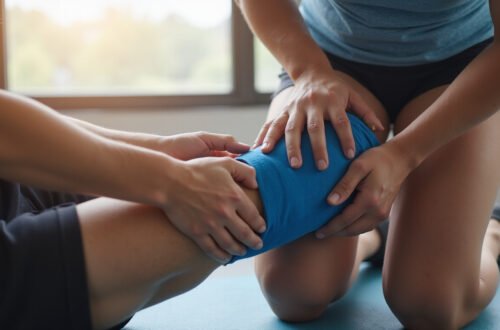
Step 4: Work With a Physical Therapist
For most people with a slipped disc, physical therapy is the cornerstone of recovery.
A skilled therapist will:
- Assess posture, mobility, and muscle imbalances
- Identify positions that relieve nerve pressure
- Prescribe specific exercises to stabilize and support the spine
- Teach safe ways to bend, lift, and sit
- Progress your program as healing occurs
Your treatment plan may include:
- McKenzie‑based extension exercises (often helpful for certain lumbar disc herniations)
- Core strengthening: deep abdominals, back extensors, and hip muscles
- Hip mobility work: tight hips often overload the lower back
- Nerve gliding techniques: for irritated sciatic or arm nerves
- Manual therapy: gentle joint or soft‑tissue techniques to improve movement and reduce pain
Consistency is vital: doing your home exercises daily often matters more than the occasional clinic session.
Step 5: Correct Posture and Body Mechanics
During and after recovery, how you sit, stand, and move can either protect or re‑irritate a slipped disc.
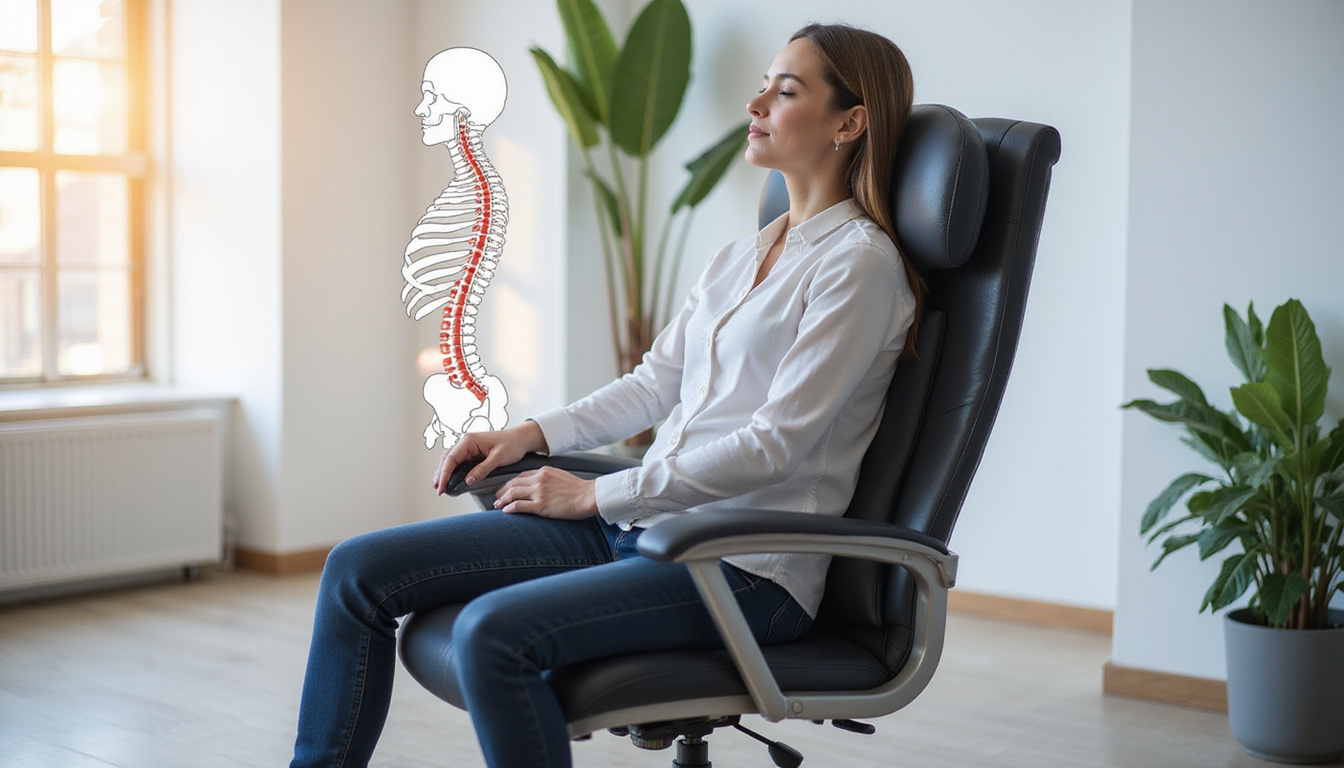
Focus on:
- Neutral spine posture
- Maintain the natural curves of your spine rather than slouching or over‑arching.
- Hip hinge instead of back bend
- When picking things up, bend at the hips and knees, keeping the back relatively straight.
- Ergonomic sitting setup
- Chair with lumbar support
- Feet flat on the floor or on a small footrest
- Screen at eye level, keyboard close to you
- Frequent micro‑breaks
- Stand, stretch, or walk for 1–2 minutes every 30–45 minutes of sitting.
Small changes in daily mechanics add up and significantly reduce pressure on your discs.
Step 6: Build Long‑Term Strength and Flexibility
Once your acute slipped disc pain resolves, the priority shifts from “getting out of pain” to staying out of pain.
A long‑term maintenance plan should include:
-
Core strength training
- Planks and side planks (modified at first if needed)
- Bird‑dog exercise (opposite arm and leg reach on hands and knees)
- Dead bug variations (on your back, controlled leg and arm movements)
-
Hip and leg strength
- Glute bridges and hip thrusts
- Squats and lunges (with correct form)
- Step‑ups or split squats
-
Flexibility and mobility
- Hamstring and hip flexor stretches
- Gentle thoracic (mid‑back) mobility work
- Yoga or Pilates, as tolerated and modified
-
Low‑impact cardio
- Walking, swimming, stationary cycling, or elliptical
- Aim for at least 150 minutes per week of moderate‑intensity activity if your doctor approves.
The goal isn’t a perfect body; it’s a resilient one that can tolerate the loads of daily life without re‑injuring your disc.
Step 7: Lifestyle Changes That Protect Your Spine
Beyond exercises, several lifestyle shifts can greatly influence slipped disc recovery and future risk:
-
Weight management
- Excess weight, especially around the midsection, puts more load on the lower back. Even modest weight loss can reduce strain.
-
Anti‑inflammatory nutrition
- Emphasize vegetables, fruits, lean proteins, whole grains, and healthy fats (olive oil, nuts, fatty fish).
- Limit heavily processed foods, sugary drinks, and trans fats.
-
Quit smoking
- Smoking reduces blood flow to spinal discs and accelerates degeneration.
-
Stress and sleep
- Chronic stress and poor sleep increase pain sensitivity and slow healing.
- Aim for 7–9 hours of quality sleep and consider relaxation strategies like breathing exercises or meditation.
These are not quick fixes but powerful long‑term tools in keeping slipped disc symptoms under control.
When Is Surgery for a Slipped Disc Necessary?
Most people improve without surgery, but in some cases, surgical intervention may be recommended, particularly if:
- Severe pain persists despite months of conservative care
- There is progressive muscle weakness
- There are signs of serious nerve compression (e.g., cauda equina syndrome)
- Pain severely limits basic daily function
Common procedures include:
- Microdiscectomy: Removal of the herniated portion of the disc to relieve nerve pressure.
- Laminectomy: Removal of part of the vertebral bone to create more space for the nerves.
Surgery can provide faster relief for some, but it is not a guaranteed cure and still requires rehab and lifestyle changes afterward to prevent further issues.
Warning Signs: When to Seek Urgent Care
With a slipped disc, call your doctor or go to urgent/emergency care if you notice:
- Sudden, severe weakness in one or both legs or arms
- Loss of bladder or bowel control
- Numbness in the inner thighs, buttocks, or around the genitals (saddle anesthesia)
- Fever, unexplained weight loss, or night pain along with back pain
- History of cancer plus new, unexplained back pain
These signs may indicate a medical emergency and should not be ignored.
Practical Daily Tips for Living With a Slipped Disc
To summarize key habits that support healing and prevent flare‑ups:
- Get up and walk briefly every 30–45 minutes of sitting
- Use proper lifting technique: close to the body, bend at the hips and knees, not the back
- Keep daily items (laptop, bag, groceries) light and evenly balanced
- Choose supportive shoes with cushioning, avoiding high heels for long periods
- Sleep on your side or back with proper pillow and mattress support
- Keep doing your home exercise program even when you feel better
Quick Checklist: Your Slipped Disc Recovery Plan
Use this checklist to stay on track:
- Confirm diagnosis with a healthcare professional.
- Manage early pain with appropriate meds, rest, and heat/cold.
- Begin gentle movement and walking as soon as it’s tolerable.
- Start physical therapy and follow your home exercise plan.
- Adjust posture and ergonomics at work and home.
- Gradually build strength, flexibility, and cardio fitness.
- Address lifestyle factors: weight, smoking, diet, sleep, stress.
- Watch for red‑flag symptoms and seek urgent care if they appear.
FAQ: Slipped Disc Recovery
1. How long does a slipped disc take to heal completely?
Most slipped discs improve significantly within 6–12 weeks with conservative treatment. Some people feel better sooner; others may take several months. Even if imaging still shows a herniation, pain can diminish as inflammation decreases and nerves adapt. Staying consistent with exercises and healthy habits helps shorten recovery time.
2. Can a slipped disc heal without surgery?
Yes. The majority of herniated or slipped discs heal without surgery. The body can reabsorb part of the disc material over time, and targeted rehab strengthens supporting muscles and reduces nerve irritation. Surgery is typically reserved for severe, persistent pain, significant weakness, or serious neurological symptoms.
3. What are the best exercises to avoid another slipped disc?
Preventive exercises focus on core stability and hip strength: planks, side planks, bird‑dog, glute bridges, and hip mobility work are all excellent if performed with good form. Pair these with regular walking or low‑impact cardio and good lifting technique. A physical therapist can customize a program based on your specific slipped disc history and current condition.
Take the Next Step Toward a Pain‑Free Back
A slipped disc can feel overwhelming, but it doesn’t have to define your life. With accurate diagnosis, smart pain management, focused physical therapy, and supportive lifestyle changes, most people not only recover but come back stronger and more resilient than before.
If back pain is limiting your work, family time, or favorite activities, don’t wait for it to “just go away.” Talk with a healthcare professional or physical therapist and turn this slipped disc recovery guide into a personalized plan. Start today with one small action—a short walk, a posture adjustment, or scheduling that first appointment—and take back control over your spine health and your life.