Preparing for back school season can feel like a full-time job. Between supply lists, new routines, and fresh expectations from teachers, it’s easy for families to feel overwhelmed. The good news: with a clear checklist and a few smart hacks, you can turn that chaos into a smooth, confidence-boosting transition for everyone.
This guide walks you through essential supplies, time-saving strategies, and stress-reducing systems that actually work for real families.
1. Core School Supplies Every Student Needs
Even as schools go more digital, the basics still matter. Start with a simple, universal list, then customize based on grade level and teacher requirements.
Non-negotiable essentials:
- Backpack: Look for padded straps, multiple compartments, and water resistance. For younger kids, size should fit their back (not hang below the waist).
- Notebooks & paper: A mix of composition books, spiral notebooks, and loose-leaf paper covers most needs.
- Binders & folders: One main binder or individual binders by subject; poly folders last longer than paper.
- Writing tools: #2 pencils, a few mechanical pencils, black/blue pens, highlighters, and dry-erase markers if requested.
- Pencil case: A durable, zippered case helps contain the chaos.
- Erasers & correction tape: Large pink erasers, cap erasers, and correction tape (less messy than fluid).
- Ruler, scissors, glue sticks: Choose age-appropriate blunt or pointed scissors.
- Colored supplies: Colored pencils, crayons (for younger grades), and a small set of markers.
- Calculator: Basic for elementary/middle; scientific or graphing calculator for higher math (check teacher recommendations).
Back school hack: Buy a few extra of high-use items (pencils, notebooks, glue sticks) and store them at home. Mid-year, you’ll avoid last-minute trips when everything is sold out.
2. Grade-by-Grade back school Checklist
Every stage has its own rhythm. Use this breakdown as a starting point, then tweak based on your child’s school list.
Elementary School Essentials
Focus on durability, simplicity, and ease of use.
- Sturdy, lightweight backpack
- Lunchbox and refillable water bottle
- Wide-ruled notebooks and primary composition books
- Crayons, colored pencils, washable markers
- Blunt-tip scissors and glue sticks
- Headphones (over-ear are more comfortable than earbuds for little ears)
- Change of clothes in a labeled bag (for younger grades)
- Labels for EVERYTHING (backpack, lunchbox, jackets, folders)
Hack: Color-code supplies by child or by subject. For example, math is blue, language arts is red. Kids remember colors faster than text.
Middle School Must-Haves
Organization becomes critical as kids rotate between classrooms and teachers.
- Backpack with strong zippers and a padded laptop sleeve (if using devices)
- 1–2 main binders with dividers, or individual binders per subject
- Planner or agenda (digital or paper)
- Combination lock for lockers (practice at home first)
- Scientific calculator (if required)
- USB drive or cloud storage account for projects
- Deodorant and a small hygiene kit (tissues, sanitizer, lip balm)
Hack: Have your middle schooler “rehearse” walking through their schedule with their backpack packed. This helps them see if their system is actually workable.
High School Ready Kit
Older students juggle tough academics, social lives, and activities. Give them tools to manage it all.
- Heavy-duty backpack with chest or waist strap if carrying many books
- Subject-specific notebooks or a disc-bound notebook system
- Graphing calculator for advanced math (confirm model with teacher)
- Laptop or tablet if the school permits (with case and keyboard if needed)
- Digital calendar (Google Calendar, Apple Calendar, etc.) synced with phone
- Highlighters, sticky notes, index cards for studying
- College and career planning folder or binder for important documents
Hack: Encourage high schoolers to create a weekly “command center” on Sunday: check the online portal, list tests and deadlines, and block off study time in their calendar.
3. Tech Tools and Digital Readiness
Back school prep isn’t just notebooks and pencils anymore; it’s also about digital access and literacy.
Essential Tech Gear
- Device: Laptop, Chromebook, or tablet (follow school guidelines)
- Case & protection: Shock-proof case and screen protector
- Headphones or earbuds: Preferably wired for tests and school devices
- Charging setup: Extra charger for home base; a portable power bank for long days
- External storage: USB drive or external SSD if needed
Digital Organization
Help your child set up a simple digital structure:
- One main folder per academic year
- Subfolders by subject
- Clear file naming convention (e.g., “2026-09-05_Math_HW1”)
Hack: Teach kids to back up schoolwork to the cloud (Google Drive, OneDrive, Dropbox). A few minutes of setup now can save major panic later.
4. Home Organization: Create a “School-Ready” House
A smooth back school season starts at home. Set up simple systems that reduce daily friction.
Homework Zone
Designate a consistent, low-distraction workspace:
- Flat surface (desk, table, or counter)
- Good lighting
- Caddy with pens, pencils, highlighters, scissors, sticky notes
- Charger within reach
- Noise options: quiet corner, white noise, or soft background music depending on your child
Morning Launch Pad
Create a “launch pad” near the door so nothing gets forgotten:
- Hooks for backpacks and jackets
- Shoe rack or basket
- Shelf or bin for sports gear, instruments, or special items
- Charging station for devices
Hack: Institute a “10-minute night check” routine:
- Pack backpack
- Charge devices
- Set out clothes
- Check calendar for next day
Those 10 minutes can save 30 minutes of morning stress.
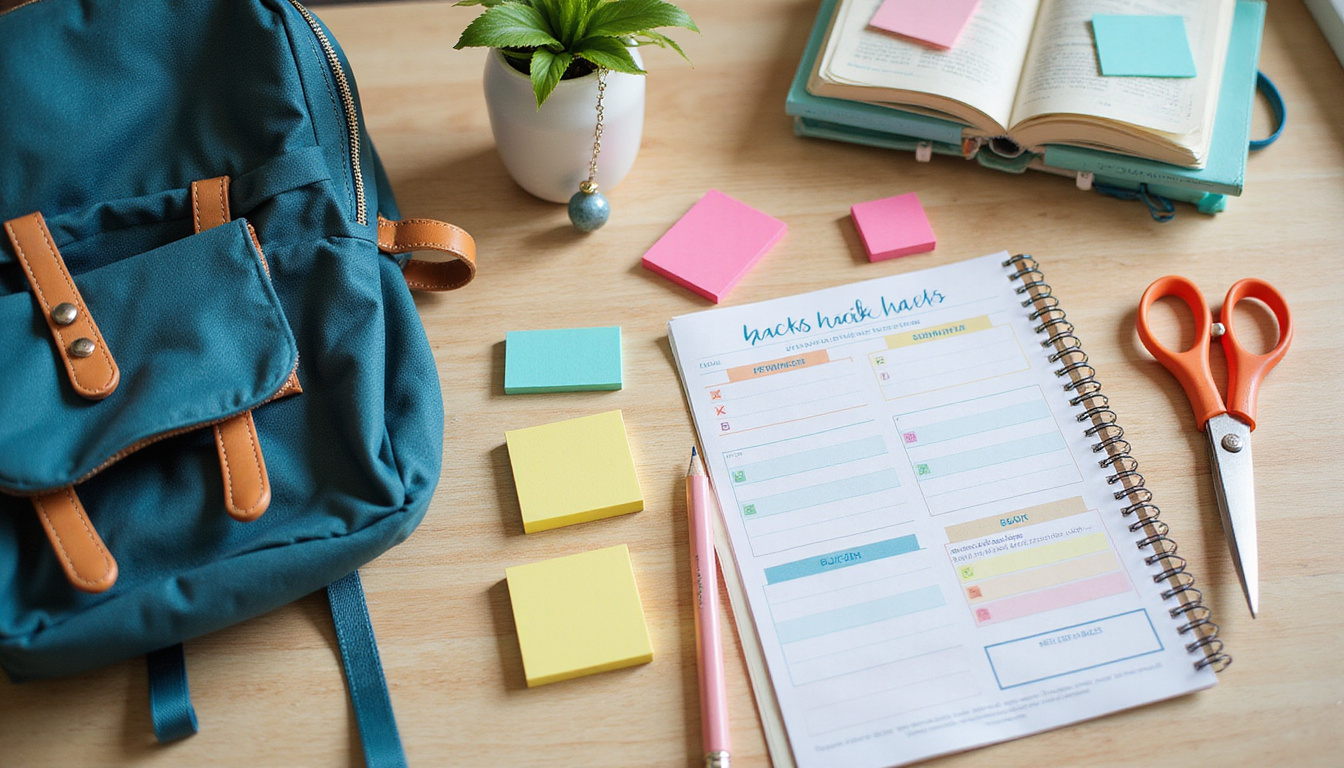
5. Routines, Sleep, and Mental Readiness
The logistics matter, but so does your child’s (and your) emotional readiness for school.
Resetting Sleep Schedules
According to the American Academy of Sleep Medicine, school-age children generally need 9–12 hours of sleep, and teens need 8–10 hours (source: American Academy of Sleep Medicine). Start transitioning 1–2 weeks before school:
- Move bedtime and wake time 15 minutes earlier every few days
- Keep weekends within 1 hour of weekday schedule
- Limit screens 30–60 minutes before bed
- Create a calming wind-down routine (reading, shower, quiet music)
Talking About Nerves and Expectations
Back school jitters are normal at every age. Try:
- Asking specific questions: “What are you most curious about this year?”
- Sharing your own school memories (including mistakes and how you handled them)
- Visiting the school, walking the route, or reviewing class schedules together
- Role-playing tricky social scenarios (introducing themselves, asking for help)
Hack: Create a “School Confidence Card” for younger kids—an index card with a simple mantra (“I can do hard things,” “I am brave and kind”) and a quick coping strategy (deep breaths, counting, or squeezing a stress ball).
6. Health, Safety, and Comfort Must-Haves
A healthy, comfortable child can focus and thrive in the classroom.
Daily Comfort Items
- Refillable water bottle (labeled)
- Weather-appropriate layers (hoodie, light jacket)
- Compact umbrella (for older kids)
- Spare mask (if needed in your area)
- Mini hygiene kit: tissues, hand sanitizer, lip balm, small lotion
Health-Related Preparations
- Update vaccinations and physicals as needed
- Refill and label any medications; coordinate with the school nurse
- Share allergy and health information with school staff
- Discuss basic handwashing and hygiene habits
Hack: Keep a “sick day bin” ready at home (thermometer, children’s meds, tissues, entertainment items). When illness strikes, you’re not scrambling.
7. Budget-Smart back school Shopping Hacks
Back school doesn’t have to break the bank. A bit of strategy goes a long way.
Money-Saving Tips
- Shop at home first: Gather all existing supplies; you’ll often find unused notebooks, binders, and pens.
- Prioritize the must-haves: Buy only what’s needed for the first 2–3 weeks; delay non-urgent items that may go on clearance.
- Buy quality where it matters: Backpacks, shoes, and binders that last can be cheaper long term.
- Use price trackers and apps: Compare prices and watch for sales.
- Buy in bulk (selectively): Pencils, paper, and glue sticks are good bulk items; specialty items are not.
- Swap or share: Organize a supply swap with friends or neighbors.
Sample back school Prep Checklist for Families
Use this as a quick reference and adapt to your family:
- [ ] Backpack, lunchbox, and water bottle
- [ ] Notebooks, folders, and binders
- [ ] Pens, pencils, erasers, highlighters
- [ ] Scissors, glue sticks, ruler
- [ ] Calculator (grade-appropriate)
- [ ] Device, case, headphones, charger
- [ ] Homework station set up at home
- [ ] Daily schedule and routines posted
- [ ] Sleep schedule adjusted for school
- [ ] Health forms, meds, and allergies updated
- [ ] Emergency contacts and pickup list confirmed
- [ ] Clothes, shoes, and outerwear ready
- [ ] 10-minute nightly backpack routine established
8. Involving Kids in the Process
When children help prepare for back school, they feel more ownership and less anxiety.
- Let them choose some supplies (within a budget).
- Have them label their own items.
- Ask them to set one academic and one personal goal for the year.
- Encourage older kids to organize their own digital files and calendar.
Hack: Turn prep into a mini “back school kickoff day”—music, snacks, and a set time where the whole family gets ready together.
FAQ: back school Questions Parents Ask Most
Q1: How can I make back school mornings less chaotic?
Create a consistent routine and shift most tasks to the night before: pack backpacks and lunches, lay out clothes, charge devices, and review the next day’s schedule. A visible checklist by the door helps kids take responsibility and reduces nagging.
Q2: What should I prioritize on my back to school supplies list if I’m on a budget?
Focus on a sturdy backpack, basic writing supplies, a few notebooks or binders, and any teacher-required items like a specific calculator or headphones. Many other items can be added later or bought on sale once the school year starts.
Q3: How early should we start our back school routine and sleep schedule?
Ideally, start adjusting 1–2 weeks before the first day. Move bedtime and wake time earlier in small increments, practice the morning routine, and do a few “school day rehearsals” so the real first day feels familiar.
Getting ready for back school doesn’t have to be stressful or last-minute. With a clear checklist, smart hacks, and a bit of planning, you can give your child a calm, confident start to the year—and save yourself time, money, and morning meltdowns.
Start today: pick one area (supplies, routines, or home organization) and spend just 20–30 minutes making it school-ready. Then build from there. By the time the first day arrives, you and your family will be organized, prepared, and ready to make this school year the best one yet.