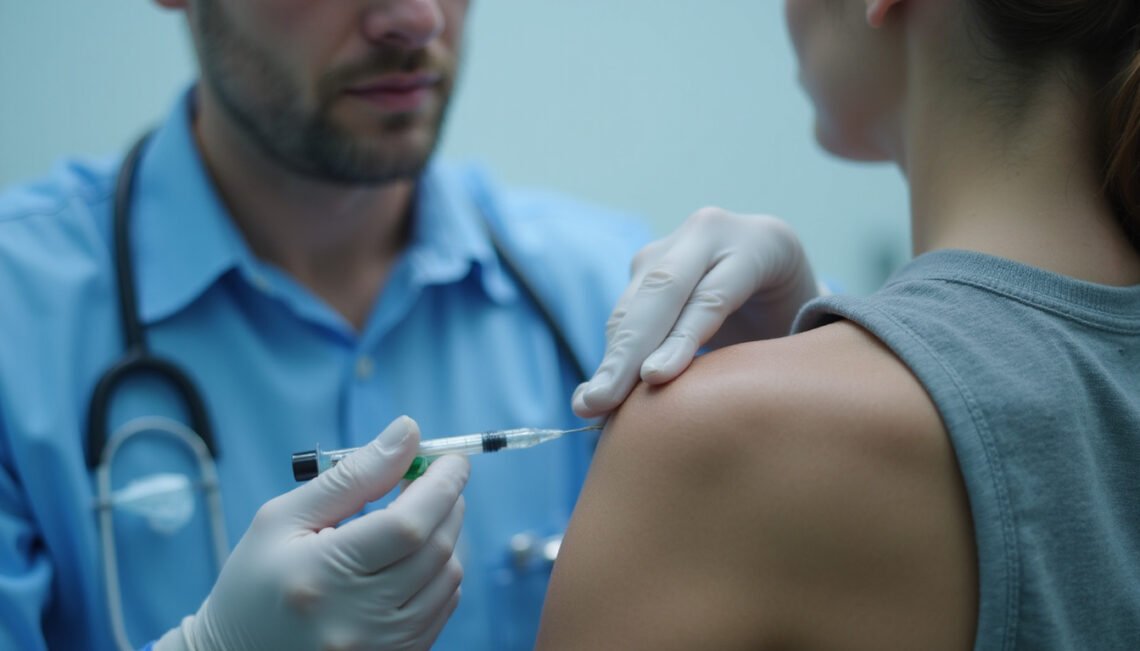
A cortisone shot can be a powerful tool for reducing pain and inflammation, especially if you’re dealing with joint issues, tendon problems, or chronic inflammation that hasn’t responded to other treatments. Understanding what’s involved before, during, and after the injection can lower anxiety, improve results, and help you recover faster and more comfortably.
What Is a Cortisone Shot?
A cortisone shot is an injection of a corticosteroid medication—often combined with a small amount of local anesthetic—directly into an area of inflammation. Common targets include:
- Knees, hips, shoulders, ankles
- Spine (epidural or facet joints)
- Hands and wrists (e.g., carpal tunnel)
- Bursae and tendons (e.g., bursitis, tendonitis)
Corticosteroids are synthetic versions of hormones your body produces naturally in the adrenal glands. They don’t “cure” the underlying cause, but they can significantly reduce inflammation and pain, allowing you to move better and potentially progress with physical therapy or other treatments.
Conditions Commonly Treated with a Cortisone Shot
Doctors may recommend a cortisone shot when oral medications, rest, and conservative measures aren’t enough. Common conditions include:
- Osteoarthritis (knee, hip, shoulder, spine, thumb)
- Bursitis (shoulder, hip, elbow)
- Tendonitis and tendinopathy (tennis elbow, golfer’s elbow, rotator cuff, Achilles)
- Carpal tunnel syndrome
- Trigger finger
- Plantar fasciitis
- Inflammatory arthritis (e.g., rheumatoid arthritis in specific joints)
In many cases, the goal is to break the cycle of pain and inflammation so you can move more normally and participate in rehab.
Before Your Cortisone Shot: Preparation and Questions to Ask
Preparing for a cortisone shot is usually simple, but there are important details to cover with your healthcare provider.
Share Your Full Medical History
Make sure your clinician knows if you:
- Have diabetes (cortisone can temporarily raise blood sugar)
- Take blood thinners (e.g., warfarin, apixaban, clopidogrel)
- Have a bleeding disorder
- Are pregnant or breastfeeding
- Have had a recent infection or fever
- Have allergies to medications, latex, or anesthetics
- Have had a bad reaction to a prior cortisone injection
You may be asked to adjust certain medications before the procedure, particularly blood thinners, but only under guidance from your prescribing clinician.
Questions to Ask Before the Injection
Consider asking:
- What specific medication(s) are you injecting?
- What is the expected benefit and how long might it last?
- How many cortisone shots can I safely have in this area per year?
- What are the main risks and side effects in my situation?
- Are there alternatives to a cortisone shot for this problem?
These questions can help you understand whether a cortisone shot is the right step in your overall treatment plan.
What to Expect During a Cortisone Shot
The procedure itself is usually quick—often 10–20 minutes, with only a small part of that time spent on the actual injection.
Step-by-Step: The Procedure
-
Positioning
You’ll be positioned so the target area is easy to access (lying down for a hip or spine injection, seated or lying for a shoulder or knee). -
Skin Cleaning
The skin is cleaned thoroughly with an antiseptic solution to reduce infection risk. -
Local Anesthetic (Sometimes)
Some providers first use a small needle to inject a local anesthetic into the skin. You may feel a brief pinch and burn. -
Guidance (Often Imaging-Assisted)
For some joints and for spinal injections, your doctor may use ultrasound or fluoroscopy (live X-ray) to guide the needle to the precise spot. -
The Cortisone Injection
The cortisone medication—sometimes mixed with anesthetic—is injected into the joint or surrounding tissue. You may feel:- Pressure
- A dull ache
- Brief sharp discomfort
This usually lasts only a few seconds.
-
Post-Injection Monitoring
You may be asked to remain in the office for 10–15 minutes to ensure you feel well and don’t have an immediate reaction.
Most people tolerate a cortisone shot well and can go home the same day without special transportation.
How Soon Will a Cortisone Shot Work?
Relief can be immediate, delayed, or somewhere in between:
- First few hours: The local anesthetic (if used) may provide temporary relief that wears off after several hours.
- 24–48 hours: Some people notice increased soreness as the anesthetic wears off and before the steroid begins working.
- 2–7 days: The anti-inflammatory effect of the cortisone shot typically “kicks in.” Many people experience their best relief between one and four weeks.
- Duration: Relief may last anywhere from a few weeks to several months, depending on the condition and individual factors (source: American Academy of Orthopaedic Surgeons).
Common Side Effects After a Cortisone Shot
Mild, short-lived side effects are relatively common and usually not serious:
- Soreness or bruising at the injection site
- Temporary increase in joint pain (“post-injection flare”) for 24–48 hours
- Facial flushing or warmth
- Mild headache
- Temporary rise in blood sugar (especially in people with diabetes)
- Sleep disturbance or feeling “wired” for a night or two
These typically resolve on their own. Ice, rest, and over-the-counter pain relievers (if approved by your doctor) often help.
When to Call Your Doctor Right Away
Seek medical advice immediately if you experience:
- Increasing redness, warmth, or severe pain at the injection site
- Fever or chills
- Significant swelling or inability to move the joint
- Sudden shortness of breath, rash, or severe dizziness
- Persistent high blood sugars (in people with diabetes) despite usual medications
Serious complications like infection, severe allergic reaction, or tendon rupture are rare, but they require prompt attention.
How to Recover Faster After a Cortisone Shot
What you do in the first few days after a cortisone shot can influence how you feel and how long your relief lasts.
1. Protect the Area for 24–48 Hours
Treat the injection site gently:
- Avoid heavy lifting, intense exercise, or high-impact activity involving the injected joint.
- Keep weight-bearing moderate if you had a shot in the knee, hip, ankle, or foot.
- Use supportive footwear or a brace if recommended.
You don’t need strict bed rest, but think “light use only” during the first day or two.
2. Use Ice and Elevation
To reduce soreness and swelling:
- Apply ice packs for 10–15 minutes at a time, several times a day, for the first 24–48 hours.
- Elevate the joint (e.g., ankle or knee) above heart level when possible.
Avoid applying heat directly to the area on day one unless your provider advises otherwise.
3. Manage Pain Smartly
If you’re uncomfortable:
- Ask your clinician which over-the-counter pain relievers are safe for you (e.g., acetaminophen).
- Stay ahead of pain for the first day instead of waiting until it becomes intense.
Always double-check medications if you have liver, kidney, heart disease, or take blood thinners.
4. Gradually Return to Activity
Once the initial soreness settles, typically after 1–3 days, begin a gentle return to normal activities:
- Start with light range-of-motion movements.
- Add short, low-impact walks if your lower body was injected.
- Follow a physical therapy or home exercise program if prescribed.
Avoid “testing” the joint with heavy exercise or sports as soon as you feel better; build up gradually to help prevent re-injury.
5. Focus on Underlying Causes
A cortisone shot can reduce symptoms, but long-term improvement usually requires addressing root problems:
- For osteoarthritis: weight management, strengthening, low-impact cardio, joint protection strategies.
- For tendon issues: eccentric strengthening exercises, ergonomic adjustments, proper footwear.
- For sports injuries: technique correction, cross-training, and progressive loading.
Work with your doctor or physical therapist to build a plan that takes advantage of your reduced pain and improved mobility.

Safety Limits: How Often Can You Get a Cortisone Shot?
There’s no single rule for every person and joint, but many clinicians use these general guidelines:
- Often no more than 3–4 injections per year in a single joint.
- Spacing injections at least 6–12 weeks apart, depending on response and joint health.
- Being more cautious with:
- Weight-bearing joints like the hip and knee
- Areas near tendons at higher risk of weakening or rupture
- Younger patients and athletes
Overuse of cortisone shots may contribute to cartilage damage, tendon weakening, or bone loss over time, which is why most providers see them as part of a broader treatment strategy, not a standalone long-term fix.
Who Should Be Cautious About a Cortisone Shot?
Cortisone injections can be very helpful, but some people need extra caution or a different approach:
- People with poorly controlled diabetes
- Those with active infections (anywhere in the body)
- People on certain blood thinners or with bleeding disorders
- Individuals with severe immunosuppression
- Pregnant individuals, depending on the site and medication
- People with a history of severe reaction to prior injections
Your provider will weigh benefits versus risks. In some cases, alternative therapies such as hyaluronic acid injections, PRP, oral medications, or surgery may be better options.
Simple Post-Injection Checklist
To keep things clear, here’s a quick checklist for after your cortisone shot:
- [ ] Rest the joint and avoid heavy use for 24–48 hours
- [ ] Use ice and elevation to limit soreness and swelling
- [ ] Take approved pain relievers as directed, if needed
- [ ] Monitor for signs of infection or allergic reaction
- [ ] Check blood sugars more often if you have diabetes
- [ ] Start gentle movement once soreness improves
- [ ] Follow any physical therapy or exercise plan given
- [ ] Schedule or attend your follow-up appointment
FAQs About Cortisone Injections
How often can you get a cortisone injection in the same joint?
Most doctors limit a cortisone injection in a single joint to about three or four times per year, spaced several weeks to months apart. The exact number depends on your age, joint health, diagnosis, and how well previous injections worked. Your provider will tailor a plan to balance pain relief with long-term joint protection.
How long does a corticosteroid shot stay in your system?
A corticosteroid shot starts working locally in the joint or soft tissue over days, but some of the medication is absorbed into the bloodstream. Its systemic effects typically fade over a few weeks, though pain relief in the injected area can last longer or shorter depending on the problem being treated.
Is a steroid shot and a cortisone shot the same thing?
The terms steroid shot and cortisone shot are often used interchangeably. Both refer to injections of corticosteroid medication to reduce inflammation. “Steroid” in this context means anti-inflammatory corticosteroid, not the anabolic steroids associated with muscle-building.
Take the Next Step Toward Lasting Relief
If pain and inflammation are limiting your mobility, sleep, or quality of life, a cortisone shot may offer meaningful, targeted relief—especially when combined with a smart rehab plan. Use what you’ve learned here to discuss risks, benefits, and alternatives with your healthcare provider, and ask how a post-injection recovery strategy can help you feel better, move more, and protect your joints for the long term.
If you’re ready to explore whether a cortisone shot is right for you, schedule an appointment with your doctor or a qualified orthopedic or sports medicine specialist today and start building a personalized plan for faster, safer recovery.