If you’re preparing for an open discectomy or recovering from one, it’s natural to have questions about how long healing takes, what risks to watch for, and how to manage pain safely. This guide walks you step-by-step through the typical recovery timeline, explains potential complications in clear language, and offers practical pain relief strategies you can actually use day to day.
What Is an Open Discectomy?
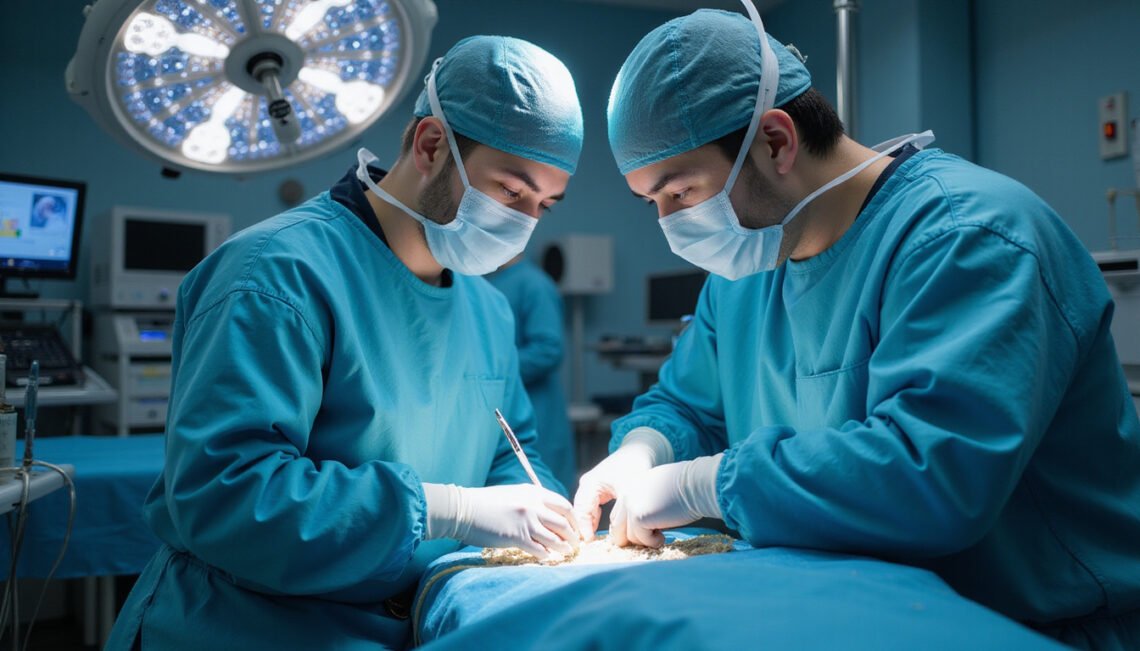
An open discectomy is a type of spine surgery that removes the part of a damaged intervertebral disc pressing on a nerve. It’s most commonly performed in the lower back (lumbar spine) to relieve leg pain caused by a herniated disc and nerve compression, often called sciatica.
During an open discectomy:
- The surgeon makes an incision in your back.
- Muscles are gently moved aside to expose the spine.
- A small portion of bone or ligament may be removed to access the disc.
- The herniated or protruding fragment of disc is removed to decompress the nerve.
Unlike minimally invasive techniques (which use smaller incisions and tubular retractors), open discectomy allows a direct, wide view of the surgical area, which some surgeons prefer in complex cases.
Who Typically Needs an Open Discectomy?
Open discectomy is usually recommended only after conservative treatments fail. You might be a candidate if you have:
- Persistent leg pain (sciatica) from a herniated disc lasting more than 6–12 weeks
- Weakness, numbness, or “pins and needles” in one leg
- Difficulty standing or walking because of nerve pain
- MRI or CT scan confirming disc herniation compressing a nerve root
- Severe symptoms such as weakness or loss of bowel/bladder control (in which case surgery can be urgent)
If pain is primarily in the back rather than the leg, or if imaging doesn’t match your symptoms, surgeons may consider other diagnoses and treatments before open discectomy.
Recovery Timeline After Open Discectomy
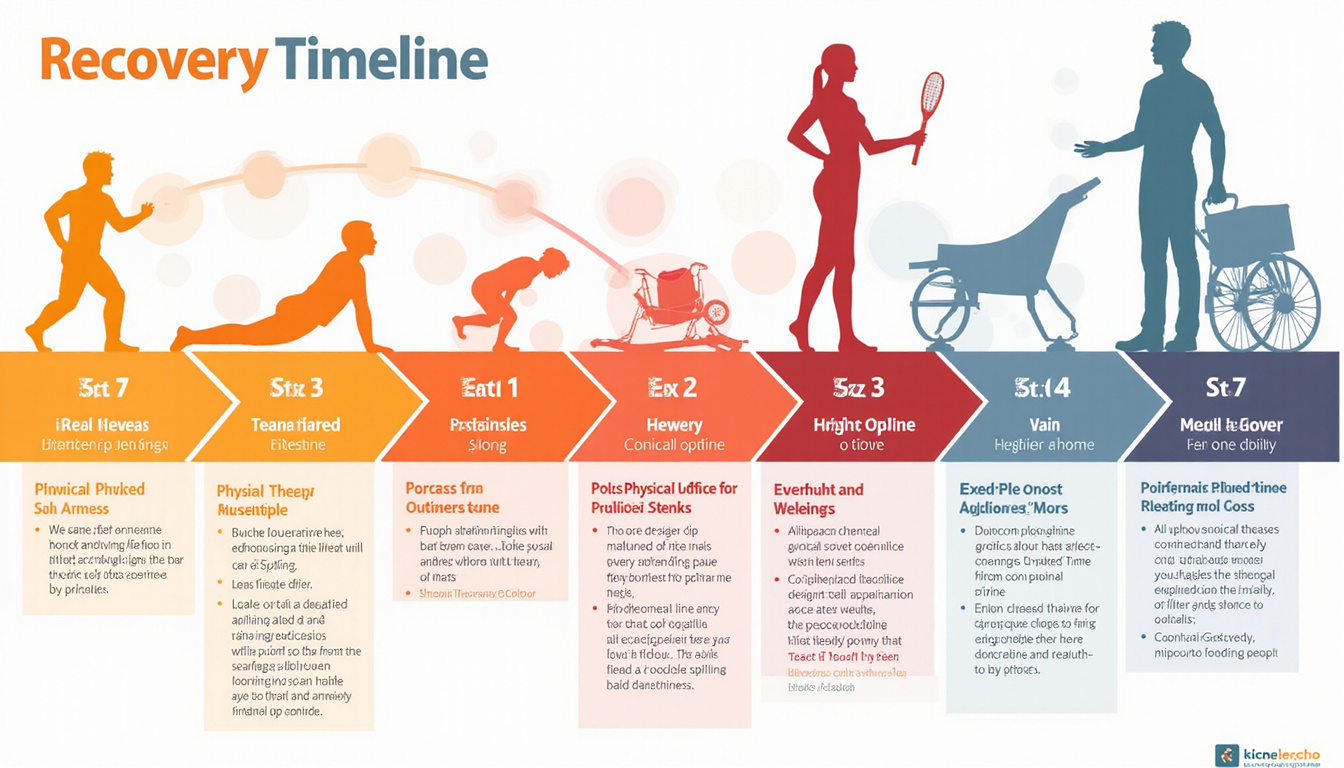
Everyone heals at their own pace, but there is a fairly predictable pattern of recovery after open discectomy. Think of it in phases rather than a single “back to normal” date.
First 24–72 Hours: Hospital Stay and Immediate Post-Op
- Length of stay: Many open discectomy patients go home the same day or after one night in the hospital, depending on age, overall health, and how the surgery went.
- Pain level: You’ll likely feel surgical site pain and stiffness, but leg pain from the nerve compression is often significantly improved immediately.
- Activity:
- You’ll be encouraged to get out of bed and walk short distances with assistance as soon as it’s safe.
- You may have a brace, depending on your surgeon’s preference.
- No bending, lifting, or twisting (BLT) of the spine.
Your team will monitor your vital signs, leg strength, sensation, and ability to urinate before discharge.
Weeks 1–2: Early Home Recovery
- Pain:
- Incisional pain and muscle soreness are common.
- Nerve pain may fluctuate as inflammation settles; “zingers” or brief shooting pains can occur.
- Wound care:
- Keep the incision clean and dry per instructions.
- Watch for redness, swelling, drainage, or fever.
- Activity:
- Short, frequent walks (5–10 minutes, several times per day).
- Gentle movement around the home.
- Still avoid BLT and heavy lifting (typically nothing over 5–10 pounds).
- Work and driving:
- Many people are not yet ready to drive, especially if still on opioid pain meds.
- Desk work is usually delayed until weeks 2–4, depending on pain and fatigue.
Weeks 3–6: Gradual Return to Normal Activities
This is when many people feel a notable boost in energy and function.
- Pain:
- Incision discomfort usually decreases.
- Leg symptoms typically keep improving; some numbness may persist.
- Physical therapy (PT):
- Often begins in this window, focusing on core stability, posture, and safe movement mechanics.
- Stretching and gentle strengthening exercises are introduced.
- Activity level:
- Walking distances increase.
- Light household tasks are usually allowed.
- Many can resume desk work between weeks 3–6 with frequent position changes.
- Restrictions:
- Continue to avoid heavy lifting, high-impact sports, and deep bending/twisting.
Weeks 6–12: Building Strength and Confidence
By this stage after open discectomy:
- Pain:
- Many people have minimal or no leg pain.
- Some residual back stiffness is common, especially after sitting or standing too long.
- Rehabilitation:
- PT progresses to more challenging core and hip work, balance training, and functional tasks (lifting mechanics, getting in and out of a car, etc.).
- Work and recreation:
- Many people return to light-to-moderate physical jobs if cleared by their surgeon.
- Low-impact exercise (stationary cycling, elliptical, swimming) is often permitted.
According to the American Association of Neurological Surgeons, discectomy (including open discectomy) provides good to excellent pain relief for leg symptoms in a high percentage of appropriately selected patients (source: AANS).
Common Risks and Complications of Open Discectomy
Every surgery carries risks. Understanding them helps you spot problems early and weigh benefits realistically.
General Surgical Risks
- Infection: At the skin or deeper tissues. Mild infections are often treated with oral antibiotics; severe ones may require IV meds or further surgery.
- Bleeding or hematoma: Rarely significant, but can sometimes compress nerves if large.
- Blood clots (DVT): Especially in the legs after limited mobility. Warning signs include calf pain, swelling, redness, or warmth.
Procedure-Specific Risks
- Dural tear and cerebrospinal fluid (CSF) leak:
- The thin covering of the spinal cord/nerve roots (dura) can be nicked, causing a leak.
- Often repaired during surgery; may require flat bed rest or additional treatment if persistent.
- Nerve injury:
- Rare but can lead to worsening weakness, numbness, or chronic pain.
- Recurrent disc herniation:
- The same disc can re-herniate; estimates vary, often around 5–15%.
- Risk may be higher in smokers and those returning quickly to heavy lifting.
- Adjacent segment problems:
- Not as dramatic as after fusion surgery, but altered mechanics can still affect nearby levels over time.
When to Call Your Surgeon Immediately
After an open discectomy, seek urgent medical care if you notice:
- New or worsening leg weakness or inability to move a limb
- Loss of bowel or bladder control
- Severe back pain with fever, chills, or wound redness and drainage
- Sudden calf swelling or chest pain/shortness of breath
- Incision opening, large swelling, or clear fluid leaking
Prompt attention improves the chance that complications can be treated effectively.
Pain Relief Strategies After Open Discectomy
Effective pain management is not just about comfort; it allows you to move sooner, breathe deeply, sleep better, and recover faster. A multimodal approach—using more than one strategy—usually works best.
Medications
Your healthcare team will tailor medications to your situation. Common options include:
-
Acetaminophen (Tylenol):
- Often scheduled around the clock early on, unless contraindicated.
- Helps reduce the total amount of stronger meds needed.
-
NSAIDs (ibuprofen, naproxen, etc.):
- Useful for inflammation but sometimes limited right after surgery, depending on surgeon preference and bleeding/bone-healing concerns.
- Always follow specific instructions.
-
Opioids (e.g., oxycodone, hydrocodone):
- Usually prescribed short-term for significant post-op pain.
- Plan from day one to taper and stop within days to a few weeks, if possible, to minimize risk of dependence, constipation, and sedation.
-
Nerve pain medications (gabapentin, pregabalin):
- May be used if nerve-related burning or shooting pains are prominent.
-
Muscle relaxants:
- Sometimes prescribed for spasms.
Never adjust doses on your own; discuss changes with your surgical or primary care team.
Non-Medication Pain Relief Techniques
Many patients find combining medications with physical and behavioral strategies provides the best relief:
-
Cold therapy:
- Ice packs or cold gel packs over the incision area (with a cloth barrier) can reduce swelling and discomfort during the first few days.
- Use 15–20 minutes at a time, several times a day.
-
Heat therapy (later phase):
- Warm showers or heating pads can help back muscle stiffness after the incision is healing and if your surgeon approves.
-
Positioning:
- Lying on your back with a pillow under your knees or on your side with knees slightly bent can reduce spinal stress.
- Avoid prolonged sitting, especially in low or saggy chairs.
-
Gentle movement:
- Short, frequent walks are often more comfortable than long periods of sitting or lying.
- Movement also reduces stiffness and clot risk.
-
Relaxation techniques:
- Slow breathing, guided imagery, or mindfulness can reduce the perception of pain and help you handle “flare days.”
Lifestyle Factors That Improve Comfort and Healing
- Sleep: Aim for 7–9 hours, using pillows for comfort and maintaining a regular schedule.
- Hydration and nutrition:
- Drink adequate water.
- Focus on lean proteins, fruits, vegetables, and whole grains to support tissue repair.
- Bowel management:
- Opioids + reduced activity can cause constipation.
- Use stool softeners or gentle laxatives as recommended, plus fiber and fluids.
Physical Therapy and Rehabilitation After Open Discectomy
Physical therapy is often key to long-term success—minimizing the chance of re-injury and maximizing function.
Early PT Focus (Weeks 2–6)
- Gentle range-of-motion (ROM) within safe limits
- Core activation (deep abdominal and back muscles)
- Gait training and posture correction
- Education on body mechanics: how to stand, sit, get out of bed, and lift safely
Later PT Focus (After Week 6)
- Progressive core strengthening (planks, bridges, etc., tailored to your level)
- Hip and leg strengthening to support the spine
- Flexibility work (hamstrings, hip flexors)
- Return-to-work or sport-specific drills
Consistent participation, honest feedback about pain, and doing your home exercise program are critical for a full and durable recovery after open discectomy.
How to Support Long-Term Spine Health
Once you’ve healed, your goal is to stay active and reduce the chance of future disc problems.
Consider:
- Regular exercise: A mix of walking, core work, and low-impact aerobic activities.
- Healthy body weight: Reduces stress on the lower back.
- Smoking cessation: Smoking is associated with poorer disc nutrition and healing.
- Ergonomics:
- Use a supportive chair with good lumbar support.
- Stand up and move every 30–60 minutes at work.
- Use proper lifting mechanics: bend at hips and knees, keep load close, avoid twisting.
View spine care as a lifelong habit rather than something you stop once pain is gone.
FAQ About Open Discectomy Surgery and Recovery
1. How long does pain last after open discectomy?
Most people notice immediate or rapid improvement in leg pain from nerve compression, but surgical site and muscle pain can last several days to a few weeks. Pain usually decreases significantly by 4–6 weeks. Some residual stiffness or mild discomfort, particularly with prolonged sitting or standing, can persist for a few months.
2. What is the typical open lumbar discectomy recovery time?
For many patients, everyday activities and desk work are possible within 3–6 weeks, with light exercise and more normal routines by about 8–12 weeks. Full recovery after an open lumbar discectomy, especially for athletes or heavy labor workers, may take 3–6 months, depending on your baseline fitness, job demands, and adherence to rehab.
3. Are there long-term limitations after open microdiscectomy or open discectomy?
Most people return to normal life without major restrictions. However, you may be advised to avoid repeated heavy lifting, high-impact activities, or poor posture habits that overload the spine. Whether you have a traditional open discectomy or an open microdiscectomy, maintaining core strength, healthy weight, and good ergonomics is the best strategy to protect your back long term.
Take the Next Step in Your Recovery Journey
If you’re considering an open discectomy— or you’ve already had one and are wondering whether your recovery is on track—you don’t have to navigate it alone. Talk with your spine specialist about your specific timeline, risk factors, and a detailed pain management and rehabilitation plan tailored to your body and lifestyle.
Use this guide as a framework, then bring your questions to your surgeon or physical therapist. The sooner you get a clear, personalized roadmap—covering recovery milestones, risks, and pain relief strategies—the more confidently you can move forward toward a stronger, more active life after open discectomy.