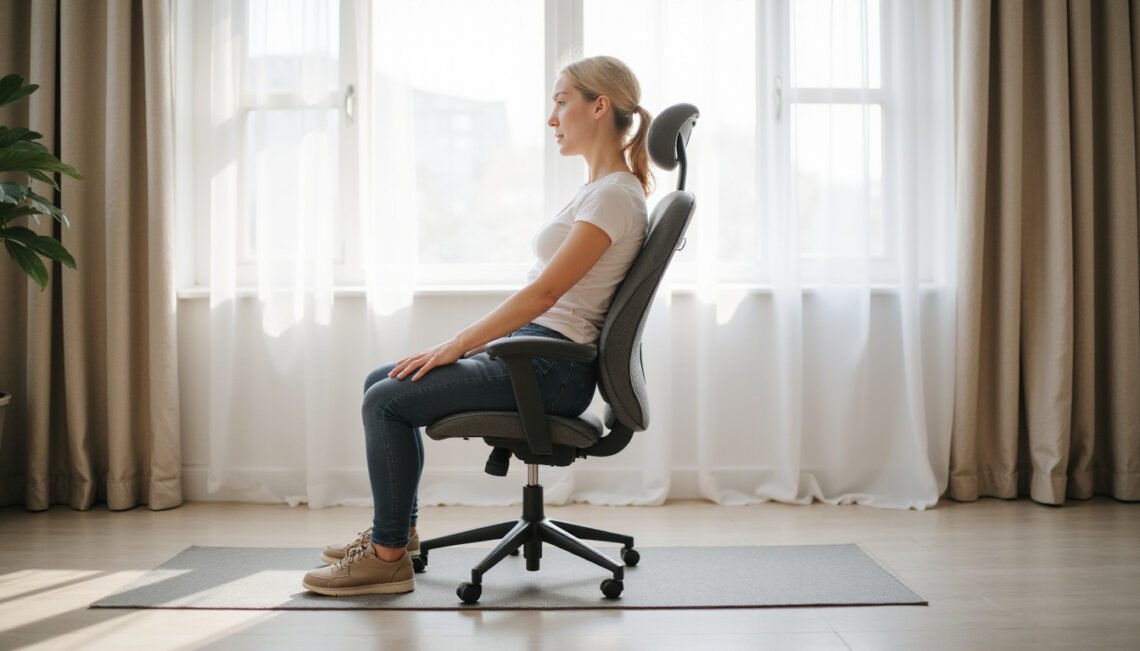
Seated Stretches To Instantly Ease Back Pain and Increase Mobility
If you spend long hours at a desk, in a car, or on the couch, targeted seated stretches can be a game-changer for easing back pain and boosting mobility. You don’t need a gym, a yoga mat, or fancy equipment—just a chair and a few minutes. Done consistently, these stretches can loosen tight muscles, improve posture, and reduce the stiffness that builds up from prolonged sitting.
Below is a practical, step-by-step guide to the best seated moves you can use at home, at work, or even while traveling.
Why Seated Stretches Work So Well for Back Pain
Prolonged sitting shortens the hip flexors, weakens the glutes and core, and puts extra pressure on your spine. Over time, this can lead to:
- Lower back pain
- Tight hips and hamstrings
- Upper back and neck tension
- Reduced mobility and flexibility
Gentle, well-designed seated stretches address these issues by:
- Increasing blood flow to tight muscles
- Releasing tension in the lower back, hips, and shoulders
- Encouraging better posture
- Improving joint range of motion
Research shows that regular stretching can reduce musculoskeletal discomfort and improve flexibility and functional movement, especially for those who sit for long periods (source: Harvard Health Publishing).
How to Use This Seated Stretch Routine
- Frequency: Aim for 1–3 times per day, especially during long sitting periods.
- Duration: Hold each stretch for 20–30 seconds; repeat 2–3 times per side when applicable.
- Intensity: You should feel a gentle pull, never sharp pain. If it hurts, ease off or skip that stretch.
- Breathing: Inhale through your nose and exhale slowly through your mouth. Use your exhale to relax deeper into each stretch.
You can do all of the following seated stretches in a sturdy chair (no wheels if possible), with your feet flat on the floor.
1. Seated Cat–Cow: Wake Up Your Spine
This classic movement mobilizes the entire spine and gently warms up your back muscles.
How to do it:
- Sit tall at the front of your chair, feet hip-width apart, hands on your knees.
- Cow pose: Inhale, arch your back gently, lift your chest, roll your shoulders back, and look slightly upward.
- Cat pose: Exhale, round your spine, tuck your chin toward your chest, and gently pull your belly button toward your spine.
- Move slowly between these two positions for 6–10 cycles.
Benefits:
- Eases stiffness in the lower and upper back
- Improves spinal mobility
- Encourages better posture
2. Seated Forward Fold: Release the Lower Back
This stretch is excellent for decompressing the lumbar spine and relaxing the entire back.
How to do it:
- Sit toward the front of your chair with feet flat and slightly apart.
- Inhale, lengthen your spine, and sit tall.
- Exhale and hinge forward from your hips, letting your torso rest toward or over your thighs.
- Let your arms drop toward the floor, letting your head and neck relax.
- Hold for 20–30 seconds, breathing slowly. Roll up to sitting one vertebra at a time.
Benefits:
- Gently stretches the lower back and hips
- Relieves tension after long sitting periods
- Encourages relaxation of the neck and shoulders
3. Seated Figure-Four: Open Tight Hips and Glutes
Tight hips and glutes are often major contributors to lower back pain. This is one of the most effective seated stretches to target them.
How to do it:
- Sit tall with both feet flat on the floor.
- Lift your right leg and place your right ankle on your left thigh, just above the knee, forming a “4” shape.
- Flex your right foot to protect the knee.
- Sit up straight; you may already feel a stretch in your right hip.
- For a deeper stretch, hinge forward slightly from the hips while keeping your back straight.
- Hold for 20–30 seconds, then switch sides.
Benefits:
- Stretches the glutes and outer hip muscles
- Can ease sciatic-type discomfort (when appropriate)
- Reduces pressure on the lower back by opening tight hips
4. Seated Spinal Twist: Decompress the Mid and Upper Back
Gentle twisting can wring out tension along the spine and help reset your posture.
How to do it:
- Sit tall in the middle of your chair, feet flat.
- Place your right hand on the outside of your left thigh.
- Place your left hand on the back of the chair for support.
- Inhale to lengthen your spine.
- Exhale and gently twist your torso to the left, initiating the movement from your mid-back, not just your shoulders or neck.
- Keep your hips facing forward and avoid forcing the twist.
- Hold 20–30 seconds, then repeat on the other side.
Benefits:
- Improves spinal rotation and mobility
- Relieves upper and mid-back tightness
- Encourages more upright posture
5. Seated Hamstring Stretch: Relieve Pull on the Lower Back
Tight hamstrings can tug on the pelvis and increase strain on the lower back. This seated stretch is simple and desk-friendly.

How to do it:
- Sit up tall at the edge of your chair.
- Extend your right leg straight out in front of you, heel on the floor, toes pointing up.
- Keep your left foot flat on the floor for support.
- Hinge forward slightly from the hips, keeping your back straight, until you feel a stretch along the back of your right thigh.
- Avoid rounding your back or forcing the stretch.
- Hold 20–30 seconds, then switch legs.
Benefits:
- Lengthens the hamstrings
- Reduces tension that can tilt the pelvis and stress the lower back
- Improves flexibility for standing and walking
6. Seated Side Bend: Open the Side Body and Lower Back
Side bending targets the muscles that run along the sides of your torso, which often get tight from slumping or leaning.
How to do it:
- Sit tall with feet hip-width apart.
- Place your left hand on your left thigh or hold the side of the chair.
- Raise your right arm overhead, palm facing inward.
- Inhale, lengthen your spine; exhale and gently lean to the left, reaching your right arm overhead and to the left.
- Keep both sitting bones grounded on the chair.
- Feel the stretch along the right side of your ribcage, waist, and lower back.
- Hold 20–30 seconds, then switch sides.
Benefits:
- Stretches the obliques and side of the lower back
- Encourages a longer, more upright spine
- Helps counteract one-sided tension from carrying bags or leaning at a desk
7. Seated Chest Opener: Undo Rounded Shoulders and Upper-Back Strain
Many people with back pain also have rounded shoulders and a tight chest from working at a computer or looking down at a phone. This seated stretch helps reverse that posture.
How to do it:
- Sit tall, feet flat, and scoot slightly forward in your chair.
- Clasp your hands behind your lower back (or hold the sides/back of the chair if your shoulders are very tight).
- Inhale, gently squeeze your shoulder blades together and lift your chest.
- If comfortable, slightly lift your chin without compressing the back of your neck.
- Hold 20–30 seconds, breathing deeply.
Benefits:
- Opens the chest and front of the shoulders
- Reduces upper-back and neck tension
- Helps correct hunched posture that contributes to back pain
8. Seated Neck and Upper Trap Stretch: Address Desk-Related Tension
While not strictly a back stretch, releasing the neck and upper trapezius muscles can significantly reduce overall upper-back discomfort.
How to do it:
- Sit tall, shoulders relaxed.
- Place your right hand under your chair or hold the side of the seat.
- With your left hand, gently guide your head toward your left shoulder (ear toward shoulder) without lifting the shoulder.
- Slightly angle your nose down or up to find the tightest area.
- Hold 20–30 seconds, then switch sides.
Benefits:
- Relieves tension from “tech neck” and desk work
- Lightens the load on upper-back muscles
- Promotes a more neutral head and neck position
A Simple Daily Seated Stretch Routine (5–10 Minutes)
To make this easy to follow, here’s a quick routine you can use at work or home:
- Seated Cat–Cow – 6–10 cycles
- Seated Forward Fold – 1–2 rounds
- Seated Figure-Four – 1–2 rounds per side
- Seated Spinal Twist – 1–2 rounds per side
- Seated Hamstring Stretch – 1–2 rounds per leg
- Seated Side Bend – 1–2 rounds per side
- Seated Chest Opener – 1 round
- Seated Neck Stretch – 1 round per side
Start with one round of each, and build up as your body adapts.
Safety Tips Before You Start Any Seated Stretches
To keep your back and joints safe, keep these guidelines in mind:
- Move slowly: Avoid bouncing or jerking. Stretching should be controlled.
- Stay in a pain-free range: Mild discomfort is okay, sharp or shooting pain is not.
- Modify as needed: Use a cushion, support your back, or reduce range of motion if you have limited mobility.
- Check with a professional: If you have a history of serious back conditions (herniated discs, recent surgery, severe osteoporosis, etc.), get clearance from a healthcare provider or physical therapist first.
FAQs About Seated Stretches for Back Pain and Mobility
1. How often should I do seated stretches for lower back pain?
Aim to do seated stretches for lower back pain at least once per day, and ideally 2–3 times if you sit for long periods. Short, frequent stretching breaks (2–5 minutes every hour or two) are more effective than one long session.
2. Are chair stretches for back pain safe for beginners?
Most gentle chair stretches for back pain are safe for beginners as long as you stay within a comfortable range of motion and avoid any movements that cause sharp pain. Start slowly, follow proper form, and consider consulting a professional if you have existing spinal issues.
3. Can seated chair stretches really improve mobility long term?
Yes. Consistent seated chair stretches can gradually lengthen tight muscles, improve joint range of motion, and support better posture. Over time, this leads to increased mobility, easier daily movement, and often reduced back stiffness and discomfort.
Using a handful of simple seated stretches throughout your day can transform how your back feels—without extra time at the gym or special equipment. Take five minutes right now to try one or two of the stretches above. Then, commit to adding this mini routine into your work breaks or evening wind-down. Your back, your posture, and your long-term mobility will all benefit.
If you’d like a personalized seated stretching plan tailored to your specific pain points and daily schedule, consider consulting a physical therapist or qualified movement professional—and bring this routine as a starting point for the conversation. Your body will thank you for every stretch you do.