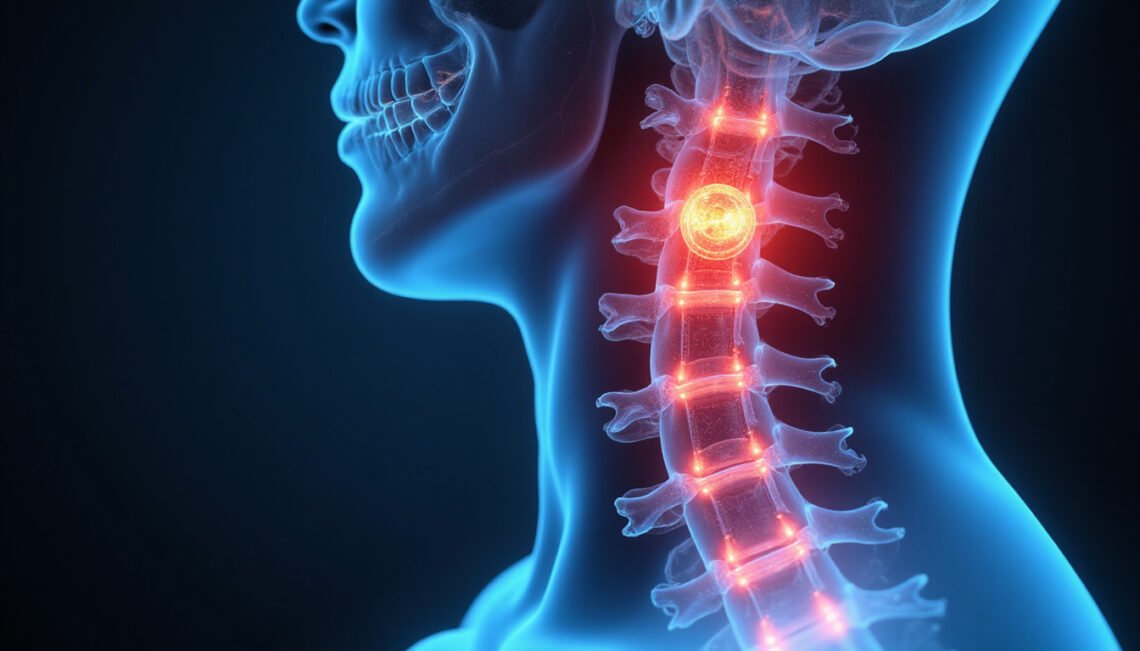
Spinal Tumor Warning Signs, Treatments, and Life-Changing Recovery Tips
A spinal tumor can transform everyday back pain from a nuisance into a serious medical concern. While many people experience back discomfort at some point, few realize that certain patterns of pain, weakness, or changes in bladder and bowel function can be early warning signs of a spinal tumor. Understanding what to look for, how these tumors are treated, and what recovery really looks like can make the difference between permanent damage and a return to an active, meaningful life.
What Is a Spinal Tumor?
A spinal tumor is an abnormal growth of cells in or around the spinal cord and vertebral column. These tumors can be:
- Primary – starting in the spine or spinal cord itself
- Metastatic (secondary) – spreading to the spine from cancers elsewhere (such as lung, breast, or prostate)
They may be:
- Benign (non-cancerous) – can still cause serious symptoms by compressing nerves
- Malignant (cancerous) – can grow faster, spread, and damage surrounding tissue more aggressively
Location matters greatly, and spinal tumors are often described by where they arise:
- Intramedullary – within the spinal cord
- Intradural-extramedullary – inside the covering of the spinal cord (dura) but outside the cord
- Extradural (epidural) – outside the dura, often arising from bone or other tissues of the spine
Even small tumors can have big impacts because the spinal column is a tight space. Any growth that presses on nerves or the spinal cord can cause pain, weakness, or loss of function.
Early Spinal Tumor Warning Signs You Shouldn’t Ignore
Because back pain is common, the early warning signs of a spinal tumor are often mistaken for muscle strain, arthritis, or a herniated disc. There are, however, some red flags that suggest something more serious may be going on.
1. Persistent, Deep Back Pain That’s Different From Usual
Key characteristics of tumor-related pain often include:
- Constant pain that doesn’t improve with rest or over time
- Night pain that wakes you up or is worse when lying down
- Pain unrelated to activity – not clearly triggered by lifting, twisting, or exercise
- Pain that progresses steadily over weeks or months
People often describe this as a deep, aching, or burning pain in the middle of the back, not just muscle soreness.
2. Radiating Pain, Numbness, or Tingling
As a spinal tumor compresses nerves, symptoms can travel along the nerve pathways:
- Shooting pain down an arm or leg
- Numbness, tingling, or “pins and needles” in hands, feet, or specific body regions
- Band-like pain wrapping around the chest or abdomen
These neurologic symptoms may be one-sided or affect both sides, depending on the tumor location.
3. Weakness or Coordination Problems
Tumor pressure on the spinal cord can interfere with how your brain communicates with your muscles:
- Leg or arm weakness
- Dropping objects, clumsiness, or difficulty with fine motor skills
- Unsteady gait, tripping more often, or needing support to walk
- A feeling of heaviness or stiffness in the limbs
Any new or progressive weakness is a strong reason to seek urgent medical evaluation.
4. Changes in Bladder or Bowel Function
This is one of the most serious spinal tumor warning signs and often indicates significant compression:
- New urinary urgency, incontinence, or retention (trouble starting or stopping urination)
- New bowel incontinence or severe constipation
- Loss of sensation in the area between the legs (saddle anesthesia)
These symptoms can signal a medical emergency requiring immediate attention to prevent permanent disability.
5. Unexplained Weight Loss, Fatigue, or Fever
General cancer-related warning signs can accompany spinal tumors, especially metastatic ones:
- Unintentional weight loss
- Persistent fatigue that rest does not improve
- Low-grade fevers or night sweats
While these don’t confirm a spinal tumor, they become more concerning when combined with neurological symptoms or unusual back pain.
When to See a Doctor (And What to Expect)
You should seek prompt medical evaluation if:
- Back pain is severe, constant, or worsening over time
- Pain is worse at night or when lying down
- You have any new weakness, numbness, or tingling
- You experience changes in bladder or bowel control
- You have a history of cancer and develop new back or neck pain
During your visit, your doctor will:
- Take a detailed history – timing, pattern, and quality of pain and symptoms
- Perform a neurological exam – checking strength, reflexes, sensation, coordination, and walking
- Order imaging tests, often starting with:
- MRI – the most sensitive test for spinal tumors and cord compression
- CT scan – helpful for evaluating bone involvement
- X-rays – may show bone destruction or alignment changes
If a tumor is suspected or seen, you may be referred to a neurosurgeon, orthopedic spine surgeon, or oncologist. A biopsy (taking a sample of tissue) may be performed to determine the type of tumor and guide treatment decisions (source: National Cancer Institute).
Treatment Options for Spinal Tumors
Treatment for a spinal tumor is highly individualized. It depends on:
- Whether the tumor is benign or malignant
- Type of tumor (e.g., meningioma, schwannoma, metastasis, lymphoma)
- Location and size of the tumor
- Your overall health and other medical conditions
- Your current level of function and symptoms
Most treatment plans involve one or more of the following:
1. Surgery
Surgery aims to remove as much of the tumor as safely possible and relieve pressure on the spinal cord and nerves.
Common surgical goals and techniques include:
- Decompression – removing tumor and sometimes bone to free the spinal cord/nerves
- Stabilization – using screws, rods, or cages to strengthen or reconstruct the spine
- Microsurgery – using a microscope and delicate instruments for precision
- Minimally invasive approaches – smaller incisions and less damage to muscles when possible
Sometimes complete removal is possible; in other cases, surgeons perform a debulking procedure to reduce tumor size, followed by radiation or other therapies.
Risks of surgery include infection, bleeding, CSF (cerebrospinal fluid) leak, and potential worsening of neurologic deficits. Your surgical team will balance these risks against the danger of leaving the tumor untreated.

2. Radiation Therapy
Radiation is often used:
- After surgery, to kill remaining tumor cells
- Instead of surgery, when the tumor is inoperable or the patient is not a good surgical candidate
- As palliative treatment to relieve pain and improve quality of life in advanced cancer
Modern techniques such as intensity-modulated radiation therapy (IMRT) or stereotactic radiosurgery (SRS) can target tumors more precisely while sparing healthy tissue. For some benign tumors or small metastases, stereotactic radiosurgery may be a primary treatment.
3. Chemotherapy and Targeted Therapies
These treatments are more commonly used for spinal tumors that are:
- Metastatic from another primary cancer
- Certain types like lymphoma or multiple myeloma
- Tumors with discoverable genetic mutations that targeted drugs can attack
Chemotherapy may be given systemically (by mouth or IV) or, in rare cases, directly into the spinal fluid. Newer targeted and immunotherapies are sometimes used when appropriate based on tumor genetics and type.
4. Steroids and Medications
Medications often support other treatments and help manage symptoms:
- Corticosteroids (like dexamethasone) to reduce swelling around the spinal cord
- Pain medications – from NSAIDs to opioids, depending on pain severity
- Neuropathic pain agents – such as gabapentin or duloxetine for nerve pain
- Muscle relaxants – to reduce spasms
These do not treat the tumor itself but can provide vital symptom relief and help protect function while definitive treatments are planned.
Life-Changing Recovery Tips After Spinal Tumor Treatment
Recovery from a spinal tumor is a journey, not a single event. Many people experience meaningful improvements in pain, mobility, and independence with the right support. The following strategies can make a powerful difference.
1. Start Rehabilitation Early
Physical and occupational therapy are central to maximizing recovery:
-
Physical therapy (PT) helps with:
- Strength, flexibility, and balance
- Gait training and safe use of assistive devices
- Reducing pain and stiffness with targeted exercises
-
Occupational therapy (OT) focuses on:
- Daily activities like dressing, bathing, cooking
- Hand coordination and fine motor skills
- Energy conservation and adaptive equipment
In many cases, rehabilitation starts in the hospital and continues in outpatient settings or specialized rehab centers.
2. Protect Your Spine While You Heal
Good spine care during recovery supports healing and helps prevent further injury:
- Follow all lifting restrictions and bending/twisting precautions
- Learn and use proper body mechanics when sitting, standing, and moving
- Use any prescribed brace exactly as directed
- Set up ergonomic workspaces and seating to reduce strain
Staying active within safe limits is usually better than prolonged bed rest, which can weaken muscles and worsen stiffness.
3. Manage Pain Proactively
Good pain control enables you to participate in rehab and daily life:
- Take medications as prescribed, not only when pain is severe
- Use non-drug strategies:
- Heat or cold therapy
- Gentle stretching
- Relaxation or breathing exercises
- Mindfulness or guided imagery
Communicate honestly with your care team if pain levels are interfering with sleep, mood, or rehab participation—your plan can often be adjusted.
4. Support Your Emotional and Mental Health
A spinal tumor diagnosis and treatment can bring fear, grief, and uncertainty. Mental and emotional recovery is as important as physical healing:
- Consider counseling or therapy with someone experienced in chronic illness or cancer
- Join a support group (in person or online) with others facing spinal or neurological conditions
- Practice stress-reduction techniques: meditation, journaling, gentle yoga, or breathing exercises
- Give yourself permission to feel and process a wide range of emotions
Your quality of life can improve significantly when emotional health is addressed alongside physical recovery.
5. Build a Strong Support System
Recovery rarely happens in isolation. Where possible:
- Accept help with practical tasks like meals, housework, or transportation
- Bring a trusted person to important medical appointments to help remember information and ask questions
- Share realistic expectations with family and friends about what you can and can’t do right now
If you live alone or have limited support, ask your healthcare team or social worker about community resources, home health services, or case management.
Everyday Habits to Strengthen Long-Term Outcomes
While not all spinal tumors can be prevented or controlled through lifestyle, healthy habits support your body’s ability to heal:
- Stay as active as your care team recommends – even short walks count
- Eat a balanced diet with adequate protein, fruits, vegetables, and whole grains
- Avoid tobacco and limit alcohol, which can interfere with healing and some treatments
- Prioritize high-quality sleep and consistent routines
- Keep up with follow-up imaging and appointments to monitor for changes or recurrence
These foundational steps can improve energy, function, and resilience in the months and years after treatment.
FAQ About Spinal Tumors
1. What are the most common spinal tumor symptoms I should watch for?
Common spinal tumor symptoms include persistent or worsening back pain (especially at night), pain that radiates into the arms or legs, numbness or tingling, weakness, problems with balance or walking, and changes in bladder or bowel function. Any new, progressive neurological symptoms with back pain should be evaluated promptly.
2. Are all spine tumors cancerous?
No. Many spine tumors are benign, meaning they are not cancer. However, even non-cancerous tumors can cause serious problems by compressing the spinal cord or nerves. Malignant tumors tend to grow more rapidly and may spread. A biopsy and imaging are needed to determine the exact type.
3. Can you recover fully after spinal cord tumor surgery?
Recovery after spinal cord tumor surgery varies widely. Factors include how long the spinal cord was compressed, the type and location of the tumor, and your overall health. Some people experience dramatic improvement in pain and function, while others may have some lasting weakness or numbness. Early diagnosis, timely treatment, and committed rehabilitation significantly improve the chances of a meaningful recovery.
Facing a possible spinal tumor can be overwhelming, but knowledge and early action are powerful tools. If you recognize warning signs in yourself or a loved one—especially persistent night pain, new weakness, or changes in bladder or bowel control—don’t wait. Contact a spine specialist or neurologist, request appropriate imaging, and get clear answers about your options.
With prompt diagnosis, modern treatments, and a dedicated recovery plan, many people move beyond a spinal tumor diagnosis to reclaim independence, activity, and joy in daily life. Take the next step today: reach out to a qualified healthcare professional, ask the hard questions, and start building your personalized path to healing and long-term spine health.