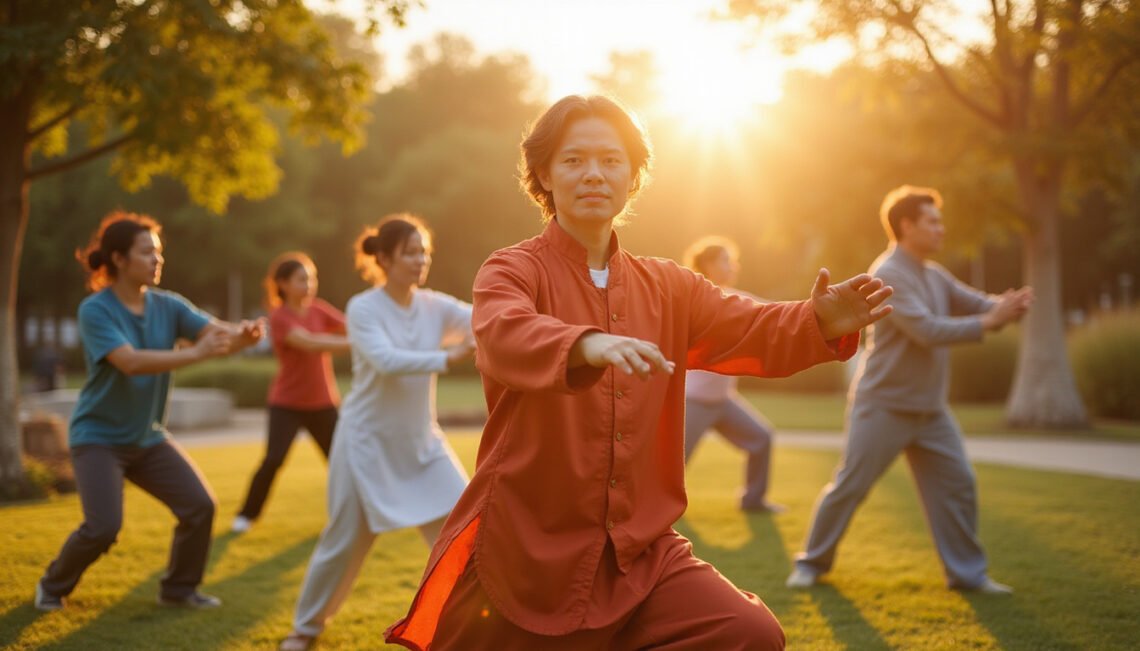
tai chi is a gentle, low-impact martial art that combines slow, flowing movements with deep breathing and focused attention. Originally developed in China for self-defense, it’s now widely practiced as “meditation in motion” that can reduce pain, ease anxiety, and improve overall well-being. The best part: many tai chi moves are simple enough that almost anyone—regardless of age or fitness level—can start today.
This guide walks you through beginner-friendly tai chi moves, how they help with pain and anxiety, and how to build a short, effective routine you can actually stick with.
Why tai chi Helps With Pain and Anxiety
Research consistently shows that tai chi can improve both physical and mental health.
How tai chi helps with pain
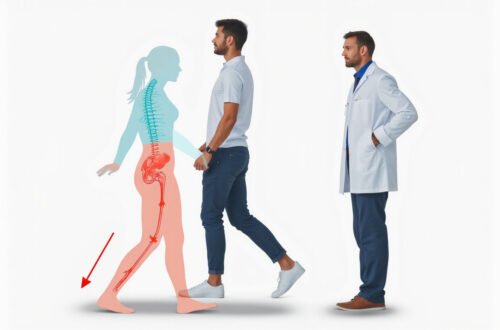
For many people, chronic pain is worsened by muscle tension, poor posture, and lack of gentle movement. tai chi addresses all three:
- Gentle joint movement: The slow, controlled motions lubricate joints and increase circulation without overloading them.
- Improved alignment: tai chi emphasizes upright posture and coordinated movement, which can reduce strain in the back, hips, knees, and neck.
- Muscle balance: The practice strengthens stabilizing muscles while promoting relaxation in overworked areas.
Studies have found tai chi helpful for conditions like osteoarthritis, fibromyalgia, and chronic low back pain, often improving both pain and physical function (source: Harvard Health Publishing).
How tai chi calms anxiety
tai chi naturally reduces anxiety by combining:
- Slow, rhythmic breathing that activates the parasympathetic nervous system (your “rest and digest” mode).
- Mindful focus on movement and body sensation, which interrupts spirals of worry and rumination.
- Grounded, flowing movement that helps discharge nervous energy in a controlled, soothing way.
Many people report feeling calmer and clearer after just 10–15 minutes.
Getting Started: Basic Principles of tai chi
Before learning specific tai chi moves, it helps to understand a few simple principles. These will make the exercises more effective and safer, especially if you’re managing pain or anxiety.
1. Posture: Tall but relaxed
- Imagine a string gently lifting the top of your head toward the ceiling.
- Keep your chin slightly tucked, shoulders relaxed and down.
- Let your knees be soft (not locked) and your weight spread evenly across both feet.
2. Breathing: Slow and natural
- Breathe in and out through your nose if possible.
- Let your belly gently expand on the inhale and soften on the exhale.
- Don’t force deep breaths; just slow them slightly and keep them smooth.
3. Movement: Slow, smooth, and within your comfort zone
- Move like you’re moving through warm water—no jerking or rushing.
- Stay within a pain-free range; if it hurts, make the motion smaller or skip it.
- Coordinate your breath with your movement when you can, but don’t stress about perfection.
tai chi Moves Anyone Can Try
These beginner-friendly tai chi moves can be done standing, and many can be modified while sitting. Aim for comfort and relaxation, not perfection.
1. Opening and Closing the Door (Centering Exercise)
This simple movement helps you transition from “busy mode” to a calmer, more present state.
How to do it:
- Stand with feet hip-width apart, knees soft, arms relaxed at your sides.
- Inhale as you slowly raise both arms in front of you to shoulder height, palms facing down.
- Exhale as you gently press your hands down, like you’re compressing a soft spring, returning them to your sides.
- Keep your shoulders loose and your jaw relaxed.
Repeat 8–10 times. This tai chi move is excellent for easing anxiety and preparing your body for more movement.
2. Wave Hands Like Clouds
This classic tai chi exercise promotes gentle spinal rotation, shoulder mobility, and a sense of flowing calm.
How to do it:
- Stand with feet a little wider than hip-width, knees relaxed.
- Shift your weight to the right foot as you gently turn your torso to the right.
- Let your right hand rise to shoulder height, palm facing your body, and your left hand float to about waist level.
- As you slowly turn your torso to the left, shift your weight to the left foot and let your hands “trade places”—left hand rising, right hand lowering, both gliding across your body like drifting clouds.
- Keep your hips and shoulders relaxed, movement smooth and continuous.
Continue for 8–12 slow passes side to side. For back or neck pain, keep the rotation small and comfortable.
3. Parting the Wild Horse’s Mane (Modified)
This tai chi move helps improve coordination and balance while gently opening the chest and shoulders.
How to do it (simplified):
- Stand with feet hip-width apart.
- Shift your weight slightly to your right foot.
- As you inhale, bring your right hand up in front of your chest, palm facing inward, and your left hand down by your left hip, palm facing back.
- As you exhale, imagine “parting a horse’s mane”: gently move your right hand forward and slightly outward, while your left hand moves down and slightly back.
- Return your hands to the center as you shift your weight to the left foot and repeat on the other side.
Move slowly and smoothly for 6–8 repetitions per side. This can be calming for anxiety and helpful for shoulder stiffness.
4. Brush Knee and Push (Chair-Friendly Option)
This move encourages coordinated leg and arm movement and is easy to modify for reduced mobility.

Standing version:
- Step your left foot forward slightly, right foot back, both feet flat and comfortable.
- As you gently bend your front knee, sweep your left hand down as if brushing your left knee, palm facing back.
- At the same time, your right hand pushes forward at chest level, palm outward, as if pushing away a light door.
- Straighten the front leg slightly and bring your hands back to the starting position.
- Repeat several times, then switch legs.
Seated version:
- Sit tall in a chair.
- Gently “brush” down one leg with one hand as the other hand presses forward.
- Keep the movements small and relaxed.
This tai chi move can help with knee and hip mobility while encouraging a feeling of gentle strength.
5. Holding the Ball (Building Body Awareness)
This is more of a posture and awareness exercise than a “move,” but it’s powerful for calming anxiety.
How to do it:
- Stand with feet hip-width apart, knees soft.
- Imagine you’re holding a large beach ball in front of your chest:
- One hand is on top of the “ball,” palm facing down.
- The other hand is under the “ball,” palm facing up.
- Keep your shoulders relaxed, elbows soft, wrists loose.
- Take slow, easy breaths as you feel the weight of your arms and the connection of your feet to the floor.
Hold for 30–60 seconds, then gently switch which hand is on top. This tai chi position can be grounding and soothing, especially during anxious moments.
6. Rising and Sinking (For Back and Hip Relief)
How to do it:
- Stand tall with feet shoulder-width apart.
- Inhale as you gently bend your knees and let your body sink slightly, like you’re about to sit down—but only a few inches.
- Exhale as you slowly straighten your legs and “rise” again.
- Keep your spine upright and your movements smooth and relaxed.
Repeat 8–10 times within a pain-free range. This tai chi-inspired motion can help lubricate hip and knee joints and relax tight lower back muscles.
A Simple 10-Minute tai chi Routine for Pain and Anxiety
You can combine these tai chi moves into a short, daily practice. Adjust counts and repetitions as needed.
- Opening and Closing the Door – 1–2 minutes
- Holding the Ball – 1 minute (30 seconds each hand)
- Wave Hands Like Clouds – 2 minutes
- Brush Knee and Push – 2 minutes (both sides, seated or standing)
- Parting the Wild Horse’s Mane (Modified) – 2 minutes
- Rising and Sinking – 1–2 minutes
Move at a comfortable pace. If 10 minutes feels like too much, start with 3–5 minutes and build up gradually.
Tips for Practicing tai chi Safely With Pain
tai chi is generally very safe, but if you’re dealing with chronic pain, arthritis, or recent injury, these guidelines help you get the benefits without aggravation.
- Start small: Keep movements small and within a pain-free range.
- Respect your limits: Mild stretching or effort is fine; sharp or worsening pain is a signal to stop or modify.
- Use support: Practice near a wall, countertop, or chair if balance is an issue.
- Stay warm: Joints often tolerate movement better when your body isn’t cold; consider a brief warm-up walk.
- Talk to your provider: Especially if you have significant joint issues, recent surgery, or balance problems.
How Often Should You Do tai chi for Results?
For reducing pain and anxiety, consistency matters more than intensity.
- Beginners: Aim for 5–10 minutes, 3–5 days per week.
- As you progress: Work up to 15–20 minutes most days.
- On tough days: Even 2–3 minutes of slow breathing and one or two tai chi moves can help reset your nervous system.
Many people notice improved calm and slightly reduced pain within a week or two of regular practice, with more noticeable changes over 6–8 weeks.
Common Mistakes to Avoid
To get the most from tai chi, watch out for these easy-to-fix habits:
- Holding your breath: Keep your breathing slow but natural; don’t freeze it during movement.
- Tensing your shoulders or jaw: Occasionally scan your body and consciously relax tight areas.
- Moving too fast: tai chi is intentionally slow. If you feel rushed, slow down by 20–30%.
- Chasing “perfect form”: Focus on how you feel, not how it looks. Comfort and relaxation come first.
FAQ: tai chi for Pain and Anxiety
Q1: Is tai chi good for anxiety and panic attacks?
Yes. The slow movements and controlled breathing used in tai chi can reduce overall anxiety and help prevent panic cycles by calming the nervous system. Many people find that regular tai chi practice makes them more resilient to stress and quicker to recover from anxious episodes.
Q2: Can I do tai chi at home for back pain?
You can absolutely practice tai chi at home for back pain. Focus on gentle, upright posture, small ranges of motion, and movements like “Wave Hands Like Clouds” and “Rising and Sinking,” which encourage spinal mobility and core engagement without strain. If your back pain is severe or new, consult a health professional first.
Q3: Do I need a class to learn tai chi for beginners?
A class or qualified instructor can be very helpful, but it’s not essential to get started. Many beginners learn simple tai chi moves from videos and written guides, then later join a class for refinement. The key is to move slowly, stay within your comfort zone, and prioritize relaxation over precision.
Start Using tai chi Today to Ease Pain and Calm Your Mind
You don’t need to be flexible, athletic, or pain-free to start practicing tai chi. With just a few minutes a day and some simple moves like Opening and Closing the Door, Wave Hands Like Clouds, and Holding the Ball, you can begin easing stiffness, improving balance, and quieting anxious thoughts.
Choose one or two of the tai chi moves above and try them today—standing by a counter, sitting in a chair, or in your living room. As you feel more comfortable, build toward the full 10-minute routine. If you’d like, I can help you design a customized tai chi practice based on your specific pain or anxiety challenges so you can move with more ease and confidence each day.