
If you’ve ever felt your ears pop on an airplane, during a drive up a mountain, or when you have a cold, you’ve already experienced the problem the Valsalva maneuver is designed to fix. This simple technique helps equalize pressure in your ears so you can relieve that uncomfortable fullness, crackling, or muffled hearing—often in just a few seconds.
Below you’ll learn exactly how to perform the Valsalva maneuver safely, when to use it (and when not to), plus other easy tricks to stop ear popping fast.
What Is the Valsalva Maneuver?
The Valsalva maneuver is a breathing technique where you exhale against a closed airway. In everyday language, it means you try to blow air out while your nose and mouth are closed. This creates pressure in your chest and head that can:
- Push air up your Eustachian tubes to equalize ear pressure
- Affect your heart rate and blood pressure (which is why doctors also use it in cardiac settings)
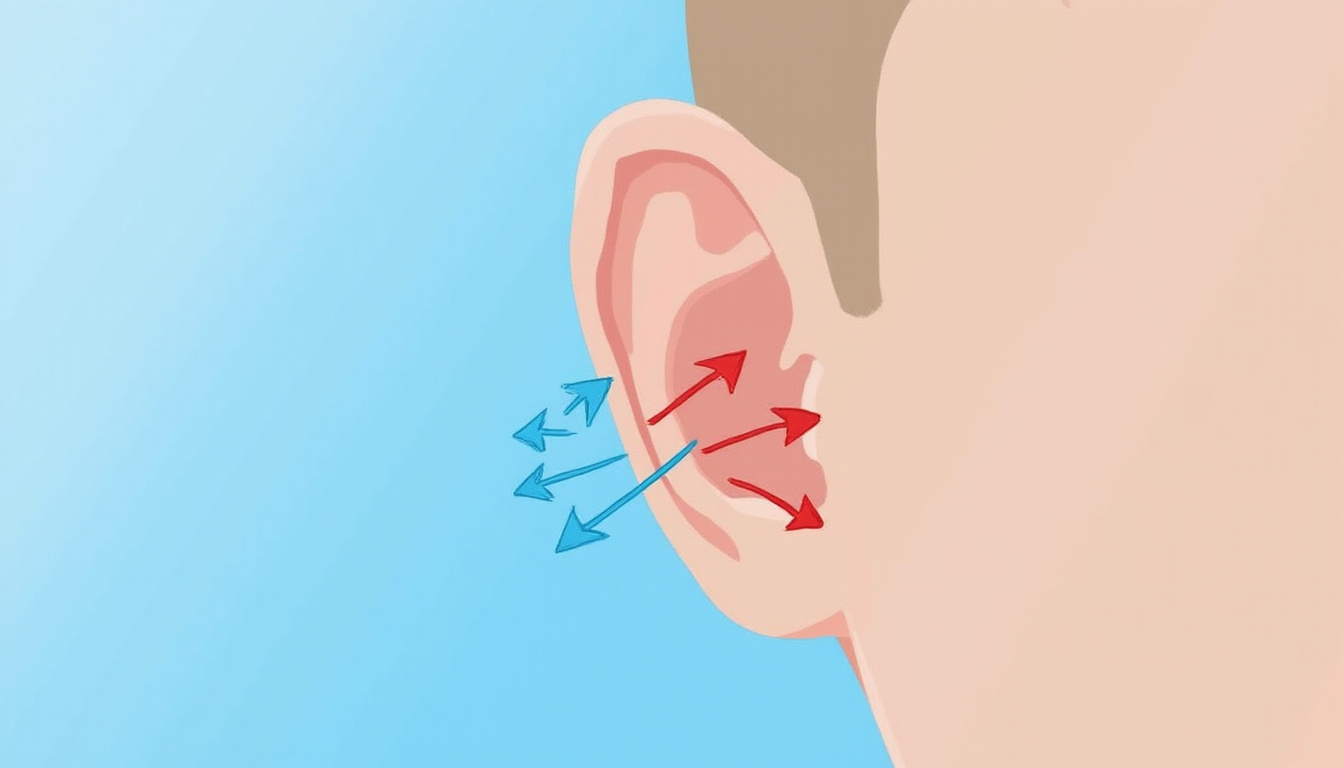
In the context of ear popping, the Valsalva maneuver is used specifically to open the Eustachian tubes—the small passageways that connect the middle ear to the back of your nose and throat. When these tubes open, pressure equalizes and the popping or fullness usually goes away.
How Ear Pressure and Popping Actually Work
To understand why the Valsalva maneuver works, it helps to know what’s happening inside your ears.
The role of the Eustachian tubes
Each middle ear is connected to the back of your nose by a narrow tube. These Eustachian tubes:
- Balance air pressure between the middle ear and the outside environment
- Drain fluid from the middle ear
- Open momentarily when you swallow, yawn, or chew
When the tubes don’t open properly—due to rapid altitude change, congestion, allergies, or infection—pressure gets trapped. This can cause:
- Ear popping or crackling
- Fullness or pressure
- Temporary muffled hearing
- Discomfort or pain
By increasing pressure in the back of your nose and throat, the Valsalva maneuver can force the tubes to open, equalizing the pressure.
How to Perform the Valsalva Maneuver for Ear Popping
Here’s the standard, ear-safe way to do the Valsalva maneuver. You should feel a “gentle push” in your ears, not pain.
-
Sit or stand upright
Good posture helps the tubes open more easily. -
Take a normal breath in
Don’t fill your lungs completely; a normal breath is enough. -
Close your mouth
Keep your lips sealed. -
Pinch your nostrils closed
Use your thumb and index finger to gently pinch your nose shut. -
Gently blow air against your closed nose
Try to exhale as if you are blowing your nose, but with your nose and mouth closed so no air can escape.- You should feel mild pressure build up behind your nose and in your ears.
- Do this for about 3–5 seconds, not straining or forcing.
-
Stop and swallow
Release your nose, swallow, or sip water. Many people feel a soft pop or release at this stage. -
Repeat cautiously
You can repeat the maneuver after 10–15 seconds if needed, but don’t keep doing it over and over if it’s not helping or if it hurts.
If done correctly, you’ll usually feel your ears open or hear a slight “click” or “pop,” followed by relief from fullness or muffled sounds.
Safety Tips: How to Avoid Doing It Wrong
Even though the Valsalva maneuver seems simple, it involves increasing pressure inside your head and chest, so technique and moderation matter.
Do:
- Use gentle, controlled pressure, not forceful blowing
- Limit each attempt to a few seconds
- Pause between attempts and see if one or two tries work
- Stop immediately if you feel sharp pain, dizziness, or vision changes
Don’t:
- Blow as hard as you possibly can
- Do it repeatedly for long periods
- Use it if you’ve recently had ear surgery unless cleared by your doctor
- Use it during an active severe ear infection without medical advice
Done too forcefully, the Valsalva maneuver can, in rare cases, injure the eardrum or inner ear or significantly affect blood pressure and heart rate (source: Cleveland Clinic).
Other Simple Techniques to Stop Ear Popping Fast
The Valsalva maneuver is effective, but it’s not the only option. For mild ear pressure, especially during flights or altitude changes, these methods can help:
1. Swallowing and yawning
Swallowing and yawning naturally open the Eustachian tubes.
- Sip water slowly
- Suck on hard candy
- Fake a yawn repeatedly
- Swallow often during takeoff and landing
2. Chewing gum
Chewing stimulates frequent swallowing and movement of the muscles around the Eustachian tubes, which helps them open and close.
- Start chewing gum before ascent or descent while flying
- Continue chewing until the plane reaches cruising altitude or lands
3. The Toynbee maneuver
This technique is gentler than the Valsalva maneuver and can be helpful when you’re congested.
How to do it:
- Pinch your nostrils closed.
- Close your mouth.
- Swallow while your nose is pinched.
The swallowing action creates a pressure change that can help open the tubes with less force.
4. The Frenzel maneuver
Commonly used by scuba divers and freedivers, the Frenzel maneuver relies more on your throat muscles and tongue than on chest pressure:
- Pinch your nostrils closed.
- Close your mouth.
- Use your tongue and throat muscles to gently “push” air toward the back of your nose, like starting to make a “k” sound.
This can be safer for some people because it doesn’t require strong blowing.
When the Valsalva Maneuver Works Best
The Valsalva maneuver is particularly useful in situations where ear pressure changes quickly:
- Airplane travel – during takeoff and especially descent
- Elevators in tall buildings – rapid changes in altitude
- Mountain driving – going up or down steep roads
- Shallow diving and swimming – to equalize pressure (though divers often prefer Frenzel)
If you know you’re prone to ear problems, you can:
- Start equalizing early (at the start of descent, not when your ears already hurt)
- Combine the Valsalva maneuver with chewing gum or frequent swallowing
- Stay well-hydrated to keep mucus thin and tubes functioning
When You Should NOT Use the Valsalva Maneuver
The Valsalva maneuver is not appropriate for everyone or every situation. Avoid it or talk with a healthcare provider first if:
- You have a known eardrum perforation (hole in the eardrum)
- You’ve had recent ear surgery (e.g., tubes, repair of eardrum)
- You have severe ear pain or suspect a serious ear infection
- You have certain heart conditions, uncontrolled high blood pressure, or are at risk for stroke (because the maneuver temporarily alters heart rate and blood pressure)
- You experience dizziness, faintness, or vision changes when you try it
If you’re unsure, ask your doctor or an ear, nose, and throat (ENT) specialist before using the Valsalva maneuver regularly.
Tips for Using the Valsalva Maneuver During Flights
Air travel is one of the most common triggers for ear popping and discomfort. You can dramatically reduce issues by planning ahead.
Before the flight:
- Treat nasal congestion or allergies (with guidance from a healthcare professional)
- Pack gum, lozenges, or water
- Consider filtered earplugs made for flying if you’re very sensitive
During takeoff and landing:
- Start swallowing or chewing gum as soon as you feel pressure changes.
- Use gentle Valsalva maneuvers every few minutes during descent, before your ears feel painfully blocked.
- Alternate between swallowing, yawning, and the Valsalva maneuver.
For kids:
- Offer bottles, pacifiers, or drinks during takeoff and landing
- Encourage older children to sip through a straw or blow up a balloon-like toy (without force)
- Avoid telling them to “blow as hard as you can” with pinched noses—teach gentle attempts only
What If the Valsalva Maneuver Isn’t Working?
If your ears stay blocked even after several gentle attempts, don’t keep increasing force. Instead, consider:
- Nasal saline spray to help clear congestion
- Warm compress over the affected ear
- Decongestants or nasal steroids (only as recommended by a doctor)
- Rest and hydration if you have a cold or sinus infection
See a healthcare provider if:
- Ear fullness or popping lasts more than a few days
- You have significant pain, fever, or thick drainage from the ear
- You notice hearing loss or loud ringing in one or both ears
- You feel severe dizziness or balance problems
Persistent symptoms can signal Eustachian tube dysfunction, middle ear fluid, or other conditions that may need treatment beyond home maneuvers.
Quick Reference: How to Safely Equalize Ear Pressure
Use this checklist whenever your ears feel blocked from pressure changes:
- Start with swallowing, yawning, and chewing gum
- Try the Toynbee maneuver (pinch nose + swallow)
- If needed, use the Valsalva maneuver:
- Take a normal breath
- Close your mouth and pinch your nose
- Gently blow for 3–5 seconds
- Stop if you feel pain, then swallow
- Repeat no more than a few times, with breaks in between
- Seek medical advice if pain or blockage persists
FAQ: Valsalva Maneuver and Ear Popping
1. Is the Valsalva maneuver safe for ear popping?
For most healthy people, using the Valsalva maneuver gently and occasionally to clear ear pressure is considered safe. The key is to avoid forceful blowing or repeated, prolonged attempts. If you have ear disease, a perforated eardrum, recent ear surgery, or heart problems, check with a healthcare provider first.
2. How often can I do the Valsalva maneuver for clogged ears?
You can try the Valsalva maneuver a few times in a row, with 10–15 seconds between attempts. If your ears don’t clear after several gentle tries, switch to other methods (swallowing, yawning, Toynbee maneuver) and give your ears a break. Using it constantly or with excessive force can irritate or injure your ears.
3. What’s the best way to unblock ears without the Valsalva maneuver?
If you’d rather avoid the Valsalva maneuver, you can often unblock ears by combining swallowing, yawning, chewing gum, and the Toynbee maneuver (pinch your nose and swallow). For congestion-related problems, saline sprays, steam inhalation, and appropriate medications (as advised by a doctor) can help your Eustachian tubes function better.
Take Control of Ear Popping with Fast, Safe Techniques
You don’t have to put up with painful or annoying ear pressure every time you fly, drive through the mountains, or get congested. Used correctly, the Valsalva maneuver is a powerful, simple tool to equalize ear pressure and stop popping fast—especially when combined with basic habits like swallowing, yawning, and staying hydrated.
If ear popping is frequent, severe, or accompanied by pain, dizziness, or hearing changes, don’t ignore it. Talk with your doctor or an ENT specialist to rule out underlying problems and get a tailored plan. Take the next step today: learn and practice these techniques before your next trip, and if symptoms persist, schedule a professional evaluation so you can travel, exercise, and live comfortably—without worrying about your ears.