
If you’re living with burning, shooting pain down the back of your leg, you’re not alone—and you may be desperately searching for real sciatic decompression strategies that don’t involve surgery or endless medications. Sciatica can derail work, sleep, and simple daily tasks. The good news: many people can dramatically reduce sciatic nerve pain with natural, evidence-informed techniques that relieve pressure on the nerve and support long-term healing.
This guide breaks down what actually works, what doesn’t, and how to build a practical, step‑by‑step plan you can start using today.
What is sciatic decompression?
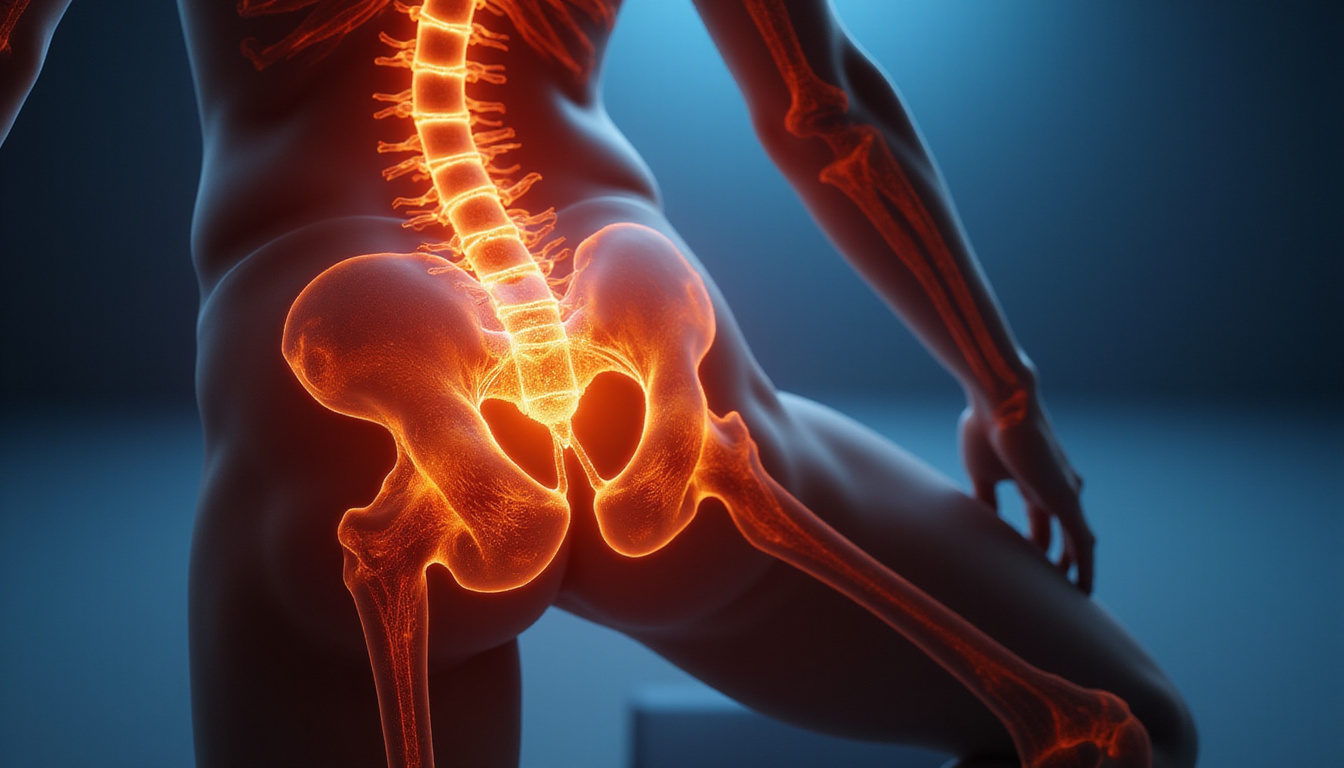
Sciatic decompression is any method—surgical or non-surgical—that reduces pressure, irritation, or entrapment of the sciatic nerve. This long nerve runs from your lower back through your hips, buttocks, and down each leg. When something compresses or irritates it, you can feel:
- Sharp, burning, or electric pain down one leg
- Numbness, tingling, or “pins and needles”
- Weakness in the leg or foot
- Pain that worsens with sitting, coughing, or sneezing
Common causes include:
- Herniated or bulging lumbar discs
- Spinal stenosis (narrowing of the spinal canal)
- Piriformis syndrome (muscle spasm compressing the nerve in the buttock)
- Degenerative disc disease
- Postural strain and muscle imbalances
Surgery is sometimes needed, but many people experience significant sciatic decompression with targeted exercises, postural changes, and other non-invasive therapies.
When is surgery necessary—and when is it not?
Before focusing on natural relief techniques, it’s crucial to know when to seek urgent medical attention.
See a doctor immediately (ER or urgent care) if you have:
- Sudden loss of bladder or bowel control
- Severe or rapidly worsening leg weakness
- Numbness in the groin or inner thighs (“saddle anesthesia”)
- A recent major fall, accident, or trauma
These can indicate serious conditions like cauda equina syndrome that may require emergency surgical decompression.
If you don’t have red-flag symptoms, many guidelines recommend trying conservative care—non-surgical sciatic decompression—for at least 6–8 weeks before considering surgery (source: American Academy of Family Physicians).
The science behind natural sciatic decompression
Natural sciatic decompression focuses on three core principles:
-
Reduce mechanical pressure on the nerve
- Improve spinal alignment and hip mechanics
- Decrease muscle tension and spasms around the nerve
- Optimize joint mobility in the lumbar spine and pelvis
-
Improve circulation and reduce inflammation
- Support healing of irritated discs and soft tissues
- Calm the nervous system’s pain response
-
Build long-term resilience
- Strengthen stabilizing muscles
- Correct posture and movement patterns that keep re‑irritating the nerve
The techniques below are designed to work together, not in isolation.
Targeted exercises for sciatic decompression
Always move gently and stop if pain suddenly worsens, becomes sharp, or triggers new symptoms down the leg.
1. Nerve gliding (“sciatic flossing”)
Nerve glides help the sciatic nerve move more freely through surrounding tissues.
Seated sciatic nerve glide
- Sit tall on a chair, feet flat.
- Straighten the affected leg in front of you with heel on the floor.
- Point your toes up toward your nose while extending your head slightly back.
- Then point your toes away while tucking your chin gently toward your chest.
- Move slowly, like a smooth see‑saw, 10–15 repetitions, 1–2 times daily.
You should feel a gentle stretching or pulling, not sharp pain.
2. McKenzie-style extension for disc-related sciatica
If your pain feels worse with sitting and better with standing or walking, a mild backward bend may help centralize the pain.
Prone press-up
- Lie face down, forearms under shoulders, palms flat.
- Gently press your chest up, keeping your hips on the floor.
- Go only as high as is comfortable while breathing normally.
- Hold 1–2 seconds, lower down.
- Repeat 10 times, up to 3–5 sessions per day.
If leg pain moves up toward the buttock or low back (even if the back aches more), that’s often a good sign of nerve decompression.
3. Gentle piriformis and hip stretches
When the piriformis muscle in the buttock spasms, it can squeeze the sciatic nerve.
Figure-4 stretch (on back)
- Lie on your back, knees bent.
- Cross the ankle of the affected leg over the opposite thigh (like a “4”).
- Gently pull the uncrossed leg toward your chest.
- Hold 20–30 seconds; repeat 2–3 times.
Feel a stretch in the buttock, not sharp pain down the leg.
Daily habits that decompress the sciatic nerve
Small changes to how you sit, stand, and move can make a big difference.
1. Fix your sitting posture
Long periods of sitting—especially slouched—are a major trigger for sciatica.
- Use a chair with good lumbar support, or place a small rolled towel behind your lower back.
- Keep hips slightly higher than knees.
- Avoid crossing legs for long periods; keep feet flat.
- Stand up and walk for 2–3 minutes every 30–45 minutes.
2. Stand and lift smarter
- When standing, distribute weight evenly on both feet.
- Avoid standing with one hip hiked up or leaning on one leg.
- When lifting, bend at hips and knees, keep objects close to your body, and avoid twisting.
3. Sleep positions that help, not hurt
- Side sleepers: Place a pillow between knees to keep hips aligned.
- Back sleepers: A pillow under knees can reduce strain on the lower back.
- Avoid very soft mattresses that let your hips sink deeply.
Natural pain relief methods that support decompression
These methods don’t just mask pain; many support healing and reduce nerve irritation.
Heat and cold therapy
- Cold packs (10–15 minutes) can help after flare‑ups or activity to calm acute inflammation.
- Heat (warm packs or baths, 15–20 minutes) can relax tight muscles around the nerve.
Alternate heat and cold to see what your body responds to best.
Anti-inflammatory nutrition basics
While food isn’t a cure, reducing systemic inflammation may support sciatic decompression:
- Emphasize: fatty fish (salmon, sardines), olive oil, berries, leafy greens, nuts, seeds, turmeric, ginger.
- Limit: ultra-processed foods, sugary drinks, excessive alcohol, trans fats.
Staying well-hydrated also supports disc health.
Mind–body techniques
Chronic pain changes how the nervous system processes signals. Calming that system can reduce perceived pain:
- Diaphragmatic breathing (slow, deep belly breathing)
- Mindfulness or guided relaxation for 10–15 minutes daily
- Gentle yoga styles focusing on alignment and slow movement
These can make stretching and strengthening more effective by reducing guarding and muscle tension.
Professional non-surgical sciatic decompression options
Several therapies can complement home care. Always choose licensed, qualified providers.
Physical therapy
A skilled physical therapist can:
- Identify the root cause (disc, joint, muscle, or combined)
- Prescribe a specific program of sciatic decompression exercises and progressions
- Use manual therapy to mobilize stiff joints and release tight muscles
- Teach safe body mechanics for work and home
This is often the most important non-surgical intervention.
Chiropractic and manual therapy
Spinal adjustments and mobilizations may reduce joint restrictions contributing to nerve compression for some people. Soft-tissue techniques (e.g., myofascial release, trigger point therapy) can decompress the nerve pathway in the buttock and thigh.
Consistency usually matters more than one-off sessions.
Non-surgical spinal decompression machines
These computer-controlled traction tables gently stretch the spine to reduce pressure on discs and nerve roots. Evidence is mixed, but some patients report relief, especially when combined with exercise and lifestyle changes.
Discuss risks, benefits, and costs with your provider; results can vary widely.
Acupuncture and dry needling
These techniques may:
- Decrease muscle spasm around the sciatic nerve
- Trigger natural pain-relieving chemicals (endorphins)
- Improve local blood flow
They’re best viewed as part of a broader decompression and rehab plan, not a stand‑alone cure.
Building your personal sciatic decompression plan
Everyone’s body and cause of sciatica are slightly different. Use this as a starting framework and adjust with your healthcare provider’s guidance.
Daily checklist:
-
Morning (5–10 minutes)
- Gentle nerve glides
- Light piriformis/hip stretching
-
Workday
- Better sitting posture with lumbar support
- Stand/walk breaks every 30–45 minutes
- Avoid heavy, twisting lifts
-
Evening (10–15 minutes)
- Prone press-ups (if appropriate for your pattern)
- Heat or cold therapy as needed
- 5–10 minutes of relaxed breathing or mindfulness
-
Weekly
- 2–3 sessions of structured strengthening (core, hips, glutes)
- At least one walk or low‑impact cardio session most days (even 10–20 minutes helps)
- Follow-up with physical therapy or other professional support if recommended
Common mistakes that slow sciatic decompression
Avoiding these pitfalls can speed your progress:
- Total rest for weeks: Brief rest during intense flare‑ups is fine, but prolonged inactivity weakens supportive muscles and often worsens pain.
- Pushing through severe pain: Mild discomfort can be okay in rehab, but sharp, radiating, or worsening symptoms are a stop sign.
- Relying only on pills: Pain medication can be helpful short-term but doesn’t correct the underlying compression.
- Doing random internet exercises: Generic routines may not match your specific cause of sciatica; targeted, progressive work is safer and more effective.
FAQ: sciatic decompression and natural relief
1. What is the fastest way to get sciatic nerve decompression without surgery?
Often, the fastest relief comes from a combination of targeted exercises (like McKenzie extension or nerve glides), temporary activity modification, and professional guidance such as physical therapy. For disc-related sciatica, positional strategies—like prone press-ups and avoiding prolonged sitting—can help centralize and reduce pain surprisingly quickly in some people. However, “fastest” varies by cause and severity, so a proper evaluation is essential.
2. Can natural sciatic decompression techniques cure sciatica permanently?
Many people achieve long-term relief using non-surgical sciatic decompression techniques, especially when they address underlying mechanics—core and hip strength, posture, and movement patterns. “Cure” is tricky; if you have underlying degenerative changes, flare‑ups may still occur. But with a consistent program, those flare‑ups can become less frequent, less intense, and shorter in duration.
3. Do spinal decompression exercises work for all kinds of sciatica?
Not every exercise is appropriate for every type of sciatica. For example, extension-based decompression exercises may help disc herniation but aggravate certain cases of spinal stenosis. Likewise, aggressive hamstring stretching can worsen symptoms in some people. That’s why it’s important to tailor sciatic decompression exercises to your pattern of pain and to adjust if symptoms worsen.
Take the next step toward real sciatic relief
You don’t have to accept daily shooting leg pain as your “new normal.” With the right combination of natural sciatic decompression techniques—targeted exercises, smarter posture and movement, supportive therapies, and lifestyle changes—you can relieve pressure on the nerve and reclaim your mobility.
Start by choosing one or two strategies from this guide to implement today, then build gradually. If your symptoms are significant, persistent, or unclear in cause, schedule an appointment with a qualified healthcare professional or physical therapist to design a customized decompression plan.
You deserve a body that lets you work, move, and rest without constant pain. Commit to your sciatic decompression journey now, and give yourself the best chance at lasting, drug‑light, non‑surgical relief.