
Bed Rest Survival Guide: Essential Tips to Avoid Complications
Being prescribed bed rest can feel frustrating, isolating, and even a little scary. Whether it’s due to pregnancy complications, surgery recovery, injury, or a chronic illness flare, suddenly spending most of your day in bed changes everything—from your physical health to your mood and daily routines.
This bed rest survival guide will walk you through practical, medically informed strategies to stay as healthy and comfortable as possible and avoid common complications like muscle loss, blood clots, pressure sores, and emotional burnout.
Why Bed Rest Is Prescribed (and Why It’s Tricky)
Bed rest isn’t always absolute. Your healthcare provider might recommend:
- Modified/partial bed rest – You spend more time resting than usual but can get up for short periods.
- Strict bed rest – You must remain lying down most of the day, often leaving bed only for bathroom trips or using a bedside commode.
While the goal is to protect your body (or a pregnancy) during a vulnerable time, extended bed rest can:
- Weaken muscles and bones
- Slow blood circulation
- Affect digestion and breathing
- Impact mental health and sleep
That’s why following bed rest instructions along with prevention strategies is so important.
Minimizing Physical Complications During Bed Rest
1. Protect Your Circulation and Lower Blood Clot Risk
Reduced movement can increase the risk of blood clots, especially in your legs (deep vein thrombosis). To support circulation, ask your provider what’s safe for you, then consider:
- Ankle pumps and circles – Point and flex your feet and rotate your ankles several times an hour while awake.
- Leg squeezes – Contract your calf and thigh muscles for a few seconds, then relax.
- Compression stockings – Your provider may prescribe medical-grade compression socks or devices to reduce clot risk.
- Hydration – Well-hydrated blood flows more easily. Aim for enough fluids unless you’re on a restriction.
Warning signs like sudden leg pain, swelling (especially one leg), or unexplained shortness of breath are urgent—seek immediate care if they occur (source: CDC, Blood Clots).
2. Prevent Bedsores (Pressure Injuries)
Staying in the same position for long stretches can lead to pressure injuries on the skin, especially over bony areas like heels, hips, tailbone, and shoulders.
To reduce your risk:
- Change positions regularly – If allowed, turn or be helped to turn every 1–2 hours.
- Use pillows strategically
- Between knees and ankles when lying on your side
- Under calves to float heels off the mattress
- Behind your back or in front of you for support
- Inspect your skin daily – Look and feel for redness, warmth, or tenderness that doesn’t fade after a few minutes.
- Use supportive surfaces – Ask about a pressure-redistributing mattress or cushion if you’ll be on bed rest for more than a few days.
Let your care team know immediately if you notice red or broken skin, especially on your tailbone, heels, hips, or elbows.
3. Maintain Muscle Strength and Joint Flexibility
Even a short period of bed rest can lead to noticeable muscle loss and stiffness. If your condition allows, ask your provider or a physical therapist for a tailored “in-bed” exercise plan.
Examples of gentle bed rest exercises (with medical clearance):
- Isometric contractions – Tighten your thigh, glute, or abdominal muscles, hold 5–10 seconds, then release.
- Arm exercises – Use light resistance bands or small weights (or water bottles) for biceps curls and shoulder presses while lying or sitting up.
- Gentle stretching – Move joints through comfortable ranges—neck, shoulders, wrists, hips, knees, ankles.
The goal is not to “work out,” but to maintain function and reduce the shock of getting back to normal activity when bed rest ends.
4. Support Your Breathing
Lying down for long periods can affect lung function, especially after surgery or in people with respiratory conditions.
Helpful breathing strategies:
- Deep breathing exercises – Take a slow breath in through your nose, filling your belly, hold for a few seconds, then exhale completely. Repeat several times an hour.
- Incentive spirometer – If you were given a breathing device in the hospital, use it as directed.
- Upright positioning – When allowed, sit partially upright with pillows behind you. A slight incline often makes breathing easier.
Report any new or worsening shortness of breath, chest pain, or persistent cough to a healthcare professional right away.
Staying Comfortable: Pain, Sleep, and Skin Care
5. Set Up a Supportive Bed Rest Environment
Your space can make or break your bed rest experience. Small adjustments can reduce discomfort and increase independence:
- Keep frequently used items (water, phone, medications, tissues, charger, snacks) within arm’s reach.
- Use multiple pillows for custom positioning—under knees, between legs, or behind back.
- Consider a bedside organizer or over-bed table for easy access to essentials.
- Make sure you have good lighting you can control from bed.
The more self-sufficient you can be safely, the less frustrating bed rest tends to feel.
6. Manage Pain Before It Spikes
Staying in one position often worsens aches and pains.
To manage discomfort:
- Follow your prescribed pain plan rather than waiting until pain is severe.
- Use non-drug strategies (if approved): heat packs, cold packs, gentle stretching, or relaxation techniques.
- Adjust pillows and angles if you notice pressure in one area.
- Discuss uncontrolled pain or troubling side effects with your provider; don’t just “tough it out.”
Adequate pain control usually supports better sleep and faster recovery.
7. Maintain Good Hygiene and Skin Care
Hygiene can be tricky on bed rest, but it’s important for comfort and infection prevention.
Aim for:
- Daily face and hand washing, plus regular sponge baths or assisted showers if possible.
- Clean, dry skin folds (under breasts, abdomen, groin) to prevent rashes.
- Moisturizer for dry areas, avoiding overly perfumed products on sensitive skin.
- Fresh clothing and linens regularly, especially if you sweat or have wound dressings.
If it’s difficult to manage hygiene alone, ask family or home-care services for assistance.
Nutrition and Digestion While on Bed Rest
8. Eat to Support Healing, Not Just to Pass Time
Bed rest often leads to boredom snacking, but your body needs quality fuel, not constant grazing.
Aim for:
- Lean protein at each meal (eggs, yogurt, beans, fish, poultry, tofu) to support tissue repair.
- Fiber-rich foods (fruits, vegetables, whole grains, beans) to help prevent constipation.
- Healthy fats (nuts, seeds, olive oil, avocado) for steady energy.
- Plenty of fluids, unless you’ve been told otherwise—water, herbal tea, broth.
Ask your provider if you need specific nutritional support, especially after major surgery or with chronic illness.
9. Prevent Constipation and Digestive Discomfort
Less movement, some medications (especially painkillers), and changes in routine make constipation common on bed rest.
Helpful strategies:
- Drink enough water or other non-caffeinated fluids.
- Include high-fiber foods daily if your digestive system tolerates them.
- Ask if you should use stool softeners or mild laxatives, especially if you’re on opioid pain medications.
- Use gentle abdominal massage only if your provider says it’s safe (avoid after some surgeries or in high-risk pregnancies).
Report severe abdominal pain, bloating, or inability to pass gas or stool, especially after surgery.
Protecting Your Mental and Emotional Health
10. Set a Simple Daily Routine
Without structure, days on bed rest can blur together, leading to low mood and anxiety.
Create a basic rhythm to your day:
- Wake and sleep at consistent times.
- Schedule slots for:
- Hygiene and changing clothes
- Meals
- Light stretching or breathing exercises
- Work/household admin (if appropriate)
- Relaxation and entertainment
- Social connection (calls, messages, visits)
Having even a loose schedule helps you feel more in control.
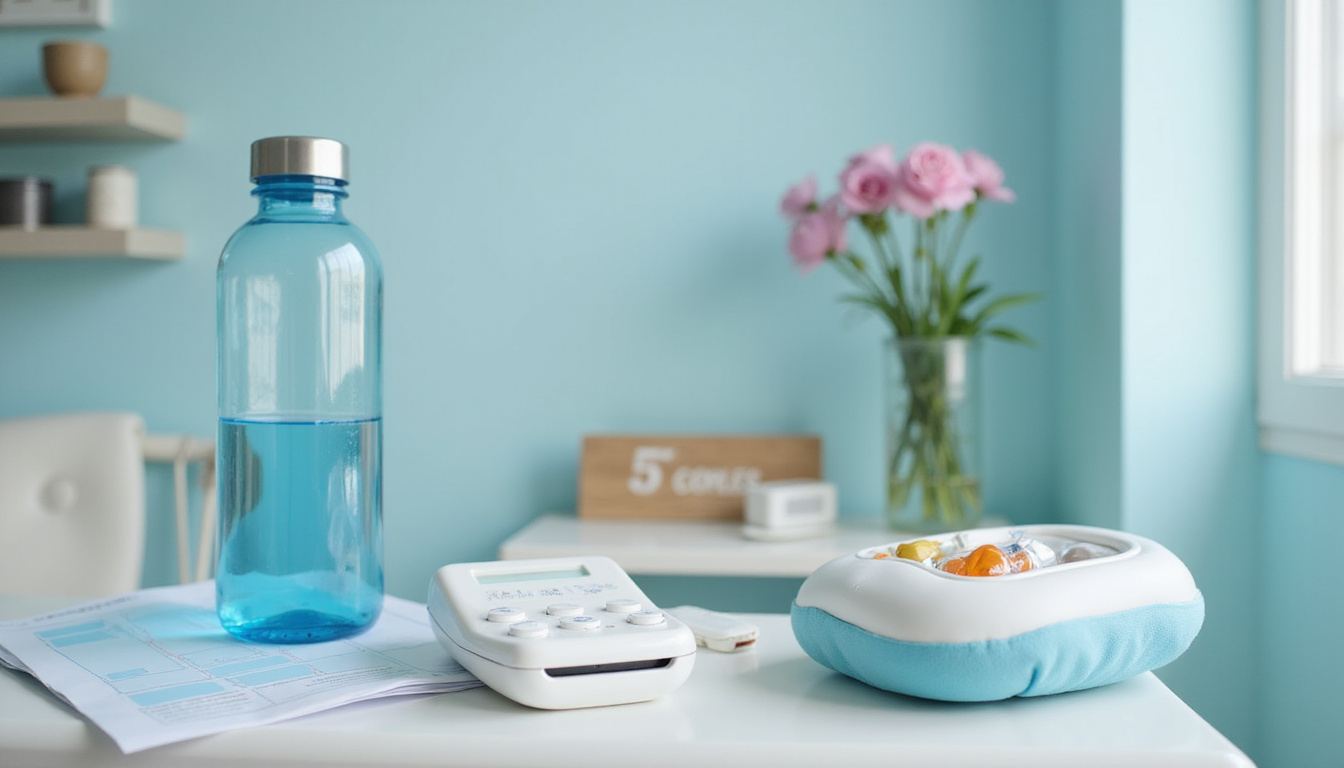
11. Stay Connected and Ask for Help
Isolation is one of the hardest parts of bed rest. Build a support network:
- Schedule regular check-ins with friends or family by phone or video.
- Ask loved ones to help with meals, errands, childcare, or pet care.
- Join online communities for people on bed rest related to your condition (pregnancy, surgery recovery, chronic illness, etc.).
You don’t have to pretend everything is fine. It’s okay to say, “This is really hard. Can we talk for a bit?”
12. Manage Stress, Anxiety, and Low Mood
It’s normal to feel frustrated, worried about the future, or even depressed. Watch for signs like persistent sadness, loss of interest, irritability, or feeling hopeless.
To support your mental health:
- Try mindfulness, breathing exercises, or guided relaxation apps.
- Use distraction: books, podcasts, crafts you can do lying down, puzzles, or light TV.
- Write in a journal about your feelings, fears, and small wins.
- Ask your provider for a mental health referral if you’re struggling to cope.
For thoughts of self-harm or feeling that life isn’t worth living, seek immediate help from a crisis line or emergency services.
Practical Bed Rest Checklist
Use this quick list to keep essential strategies in mind:
- Confirm with your provider what type and duration of bed rest you’re on and what movements are allowed.
- Set up your bed area with essentials within reach.
- Practice circulation exercises (ankle pumps, leg squeezes) as permitted.
- Change positions often and monitor skin for pressure spots.
- Follow a simple in-bed exercise plan, if cleared by a professional.
- Prioritize hydration and balanced meals with enough protein and fiber.
- Establish a daily routine with set wake, sleep, and activity times.
- Schedule regular social contact and ask for practical help.
- Monitor your body for warning signs and call your provider when needed.
- Be kind to yourself—recovery and protection are your primary “jobs” right now.
When to Call Your Healthcare Provider
While on bed rest, contact a medical professional promptly if you notice:
- Sudden or worsening shortness of breath, chest pain, or coughing up blood
- Swelling, redness, warmth, or pain in one leg
- New or worsening severe headache, confusion, or vision changes
- Persistent or intense abdominal pain or severe constipation
- Signs of infection: fever, chills, foul-smelling discharge, or redness around wounds
- New or rapidly worsening sadness, anxiety, or thoughts of self-harm
When in doubt, it’s always safer to reach out.
FAQ About Bed Rest and Recovery
Q1: How long is it safe to stay on bed rest without moving much?
There’s no single “safe” duration—risks rise the longer you’re immobile. Even during medical bed rest, short, frequent in-bed movements and exercises are usually encouraged. Ask your provider what movement is safe for your specific situation and start using it right away.
Q2: What are the side effects of prolonged bed rest?
Common bed rest side effects include muscle weakness, joint stiffness, constipation, sleep problems, low mood, and higher risk of blood clots and pressure injuries. Proactive strategies—like circulation exercises, position changes, good nutrition, and mental health support—can significantly reduce these.
Q3: How can I prepare for getting up again after bed rest?
As you near the end of bed rest, your provider may gradually increase your allowed activity. Continue gentle exercises in bed, sit upright more often if permitted, and stand or walk with support at first. Many people benefit from physical therapy to rebuild strength, balance, and confidence.
Make Your Bed Rest Time Work for You
Bed rest is rarely anyone’s choice, but you do have control over how you move through it. By protecting your circulation, skin, muscles, and mind, you lower your risk of complications and set yourself up for a smoother return to normal life.
If you’ve just been prescribed bed rest—or you’re struggling with it now—talk with your healthcare provider about a personalized plan that includes movement, nutrition, and mental health support. Then take one small, realistic step from this guide today. Your future, healthier self will thank you for every bit of effort you invest right now, even from bed.