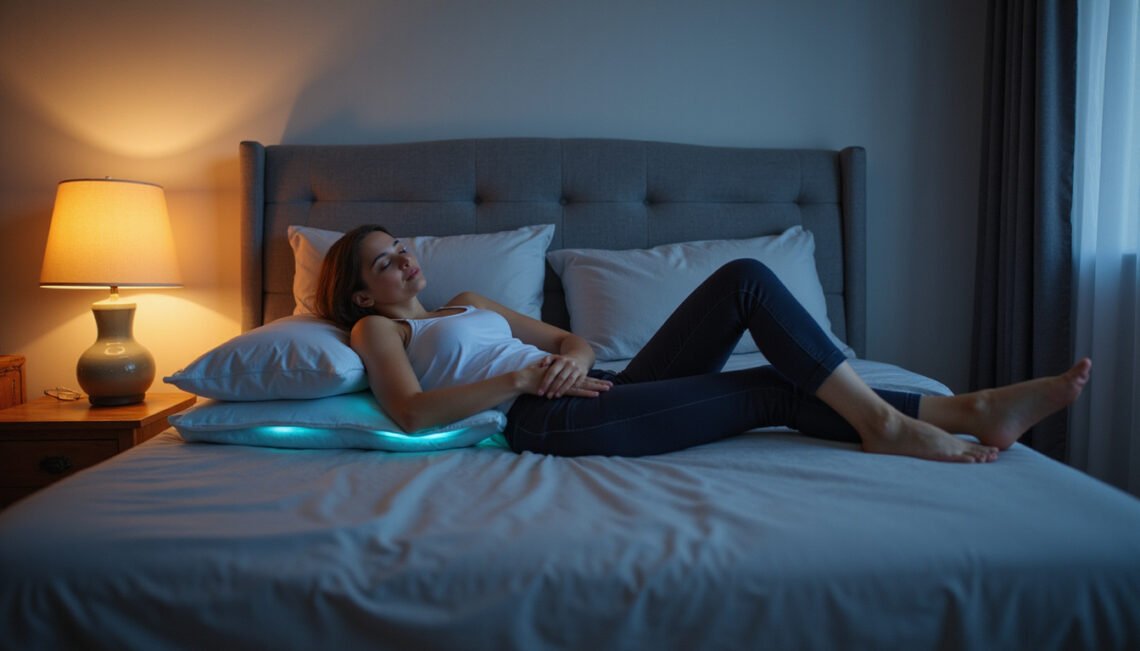
Sciatica Pillow Hacks That End Nighttime Pain and Stiffness
If you live with burning, shooting, or aching leg pain, the right sciatica pillow can be the difference between tossing all night and finally waking up rested. Sciatic nerve pain is notoriously stubborn, but small, smart adjustments to the way you sleep can dramatically reduce pressure on the nerve and calm inflammation. This guide walks you through practical sciatica pillow hacks, how to set up your bed for pain relief, and what actually works to ease stiffness by morning.
How a Sciatica Pillow Helps (and Why Positioning Matters More Than Brand)
Sciatica is usually caused by compression or irritation of the sciatic nerve, often from a herniated disc, spinal stenosis, or muscle imbalances. When you lie down, gravity shifts how your spine, hips, and legs align. That’s where a sciatica pillow becomes a powerful tool: it supports neutral alignment so your lower back and pelvis don’t twist or sag into painful positions overnight.
The key benefits of using a sciatica pillow correctly:
- Reduces pressure on the lower back and nerve roots
- Keeps hips level and aligned
- Prevents the spine from rotating or bending unnaturally
- Eases morning stiffness and muscle tightness
It’s less about finding a magic pillow and more about using any good support pillow in smart ways tailored to your sleeping position.
Hack #1: Side-Sleepers – Use a Sciatica Pillow to Un-Twist Your Spine
Side-sleeping is often the most recommended position for people with sciatica, but only if you support your body correctly. Without support, your top leg drops forward, rotating your lower back and pulling on the sciatic nerve.
The side-sleep setup
-
Choose the right sciatica pillow for knees
A medium-firm pillow or a contoured knee pillow works best. It should keep your knees hip-width apart without feeling too bulky. -
Place the pillow between your knees and ankles
Many people stop at the knees, but letting your lower legs hang unsupported still twists the pelvis. Ideally, the pillow supports both knees and part of the lower legs to keep your hips stacked. -
Add a small pillow at your waist if needed
If there’s a gap between your waist and the mattress, slide a small pillow or folded towel there. This prevents side-bending of the spine. -
Support your head properly
Your head pillow should keep your neck in line with your spine—too high or too flat can affect your lower back alignment.
This full-body alignment setup often relieves pressure on the sciatic nerve and reduces that sharp hip or buttock pain that fires down the leg at night.
Hack #2: Back-Sleepers – Elevate the Knees to Decompress Your Lower Back
If you prefer to sleep on your back, a sciatica pillow under the knees is one of the simplest and most effective hacks.
Why knee elevation works
When you lie flat, your lower back may arch excessively, increasing pressure on the lumbar discs and nerve roots. A pillow under your knees slightly tilts your pelvis and flattens that arch, easing stress on the sciatic nerve.
How to do it right
- Use a thick, firm pillow or wedge under both knees. Your knees should be bent at about 30–45 degrees, not pulled all the way up to your chest.
- If your pain is severe, try a leg elevation wedge that supports from the calves down, keeping the knees bent and the heels slightly elevated.
- Keep your head on a low-to-medium pillow to avoid pushing your chin toward your chest, which can affect spinal alignment.
Some people find that back-sleeping with elevated knees plus a small rolled towel under the small of the back gives just enough support without creating pressure points.
Hack #3: Stomach-Sleepers – Transition Without Losing Sleep
Stomach-sleeping is the toughest position for sciatica because it forces your lower back into a deep arch and usually twists your neck. If you absolutely can’t fall asleep any other way, these interim hacks can help until you transition.
Stomach-sleep modifications
- Place a thin pillow under your lower abdomen/hips to flatten the lower back arch.
- Use no pillow or a very thin one under your head to avoid excessive neck rotation and tension.
- Gradually train your body to switch to side-sleeping by:
- Starting the night on your side with a sciatica pillow between your knees
- Using a body pillow you can hug, which mimics the comfort of stomach-sleeping while keeping you semi-sideways
Over time, your body can adapt to a healthier sleep position, and your sciatica will likely thank you.
Hack #4: Use a Body Pillow for Full-Length Support
A full-length body pillow can act as a multi-point sciatica pillow when used wisely. It can support your head, shoulders, hips, and legs in one continuous line.
Best way to use a body pillow for sciatica
- Lie on your side, hugging the body pillow so your top arm rests on it comfortably.
- Bring your top knee and shin over the pillow so your leg is partially supported.
- Keep your bottom leg straight or slightly bent with a thin pillow between your knees if needed.
This setup reduces twisting through the torso and pelvis, relieving strain that can aggravate sciatic pain, especially in people with hip or SI joint issues.
Hack #5: Choose the Right Type of Sciatica Pillow Material
The material of your sciatica pillow matters almost as much as how you position it. The wrong material can collapse overnight or trap heat, waking you with both pain and discomfort.
Common options and what works best
- Memory foam – Great for contouring around joints and maintaining shape. Choose medium density so it doesn’t bottom out but isn’t rock-hard.
- High-density foam – Excellent for wedges and under-knee pillows where stable support is needed.
- Latex foam – Offers responsive support and tends to sleep cooler than traditional memory foam.
- Fiberfill – Soft and inexpensive but can compress too quickly; better as a temporary solution or for minor adjustments.
Look for breathable covers (cotton or bamboo) and, if you overheat easily, consider cooling gel-infused foam or layering a thin towel between your skin and the pillow.
Hack #6: Combine Multiple Pillows for Custom Support
You don’t necessarily need a single branded “sciatica pillow.” Often, combining pillows you already own can create a highly effective setup.
Here’s a sample multi-pillow setup for side-sleepers with moderate sciatica:
- Head pillow – Medium loft to keep neck neutral
- Small waist pillow – Fills the side gap between ribs and hip
- Knee pillow – Firm pillow between knees and ankles
- Back support pillow – Thin pillow behind your back to prevent rolling onto your stomach
And for back-sleepers:
- Head pillow – Low to medium, to avoid pushing neck forward
- Knee-elevation pillow – Firm wedge or stacked pillow under knees
- Small lumbar roll – Towel or small cushion under lower back if you feel better with mild support
Experiment—small adjustments (an inch higher or lower, firmer or softer) can create big changes in pain levels.
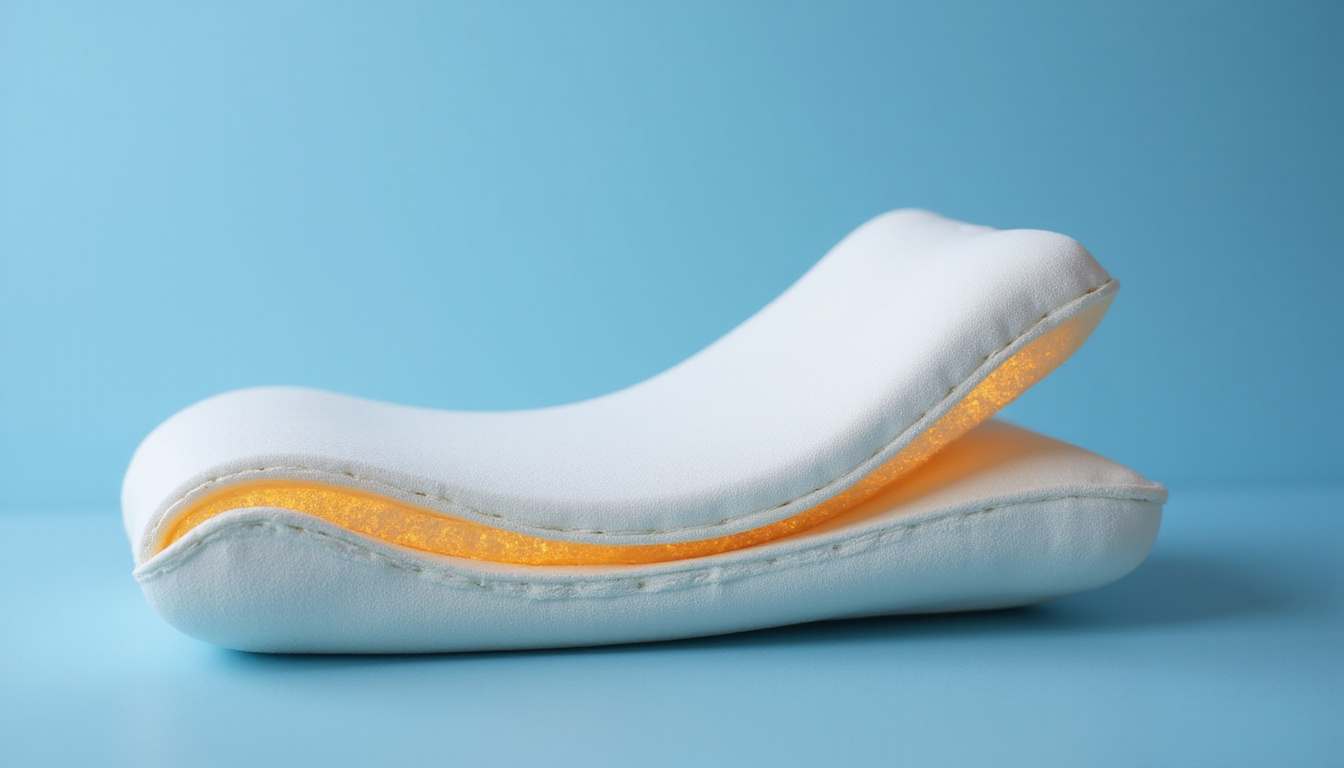
Hack #7: Pair Your Sciatica Pillow with a Supportive Mattress
Even the best sciatica pillow can only do so much if your mattress is sagging or too soft. A mattress that lets your hips sink too far creates a “hammock” effect, bending the spine and loading the sciatic nerve.
General mattress guidelines for people with sciatica:
- Aim for medium-firm support—often ideal for pain relief in low back issues and sciatica (source: Harvard Health Publishing).
- If your mattress is too soft but not ready for replacement, add a firm mattress topper to improve support.
- Rotate your mattress regularly if the manufacturer recommends it, to reduce deep body impressions.
Your sciatica pillow does the fine-tuning, but the mattress is the foundation.
Hack #8: Pre-Sleep Stretch + Pillow Setup Routine
For many people, the real magic happens when they combine a sciatica pillow with a quick pre-bed routine to relax tight muscles and calm the nervous system.
Simple 5–10 minute nightly routine
- Gentle hamstring stretch (keeping back neutral)
- Figure-4 stretch for the piriformis and glutes
- Pelvic tilts while lying on your back to loosen the lower back
- Finish with 2–3 minutes of diaphragmatic breathing, then move directly into your sciatica pillow sleep setup.
This combination often reduces the intensity of nighttime flare-ups and helps you stay comfortable longer.
Common Mistakes When Using a Sciatica Pillow
Avoid these pitfalls that blunt the benefits of your sciatica pillow:
- Using a too-thick pillow between the knees, forcing hips wider than natural alignment
- Placing the pillow only between thighs, leaving calves unsupported and allowing rotational torque at the knee
- Letting the pillow slide away overnight—consider a strapped knee pillow or body pillow if you toss and turn
- Ignoring daytime posture and activity; eight hours of good alignment can’t fully correct sixteen hours of poor habits
Your sciatica pillow is one tool in a 24/7 strategy that includes movement, posture, and medical care when needed.
When to Talk to a Professional
Pillow hacks help many people, but they’re not a substitute for diagnosis. Contact a healthcare provider or physical therapist if:
- Pain is severe, worsening, or lasts longer than a few weeks
- You have weakness, numbness, or trouble controlling your leg or foot
- You experience changes in bladder or bowel function (this is urgent)
A professional can confirm whether your pain is truly sciatica, identify the underlying cause, and recommend exercises and treatments that work alongside your sciatica pillow setup.
Quick Checklist: Is Your Sciatica Pillow Working?
You’re on the right track if:
- You fall asleep faster and wake less often from pain
- Morning stiffness is shorter and less intense
- Pain radiating down the leg is milder or less frequent
- You’re able to get out of bed without “bracing” or dread
If you’re not seeing any improvement after 1–2 weeks of consistent use and position adjustments, it’s worth tweaking your setup or seeking professional advice.
FAQ About Sciatica Pillows and Nighttime Pain
Q1: What is the best sciatica pillow for sleeping on your side?
For side-sleepers, a contoured knee pillow or a medium-firm standard pillow that fits snugly between your knees and ankles works best. The goal is to keep your hips stacked and your spine straight—not to force your legs wide apart. A body pillow can enhance support by stabilizing your torso and shoulders at the same time.
Q2: Where should I put a pillow for sciatica when sleeping on my back?
Place a firm pillow or wedge under your knees to slightly bend them and flatten the curve of your lower back. If it feels good, you can add a small rolled towel under the small of your back for light support. This combination often reduces pressure on the sciatic nerve and makes it easier to fall asleep and stay asleep.
Q3: Can a sciatica pillow really help with lower back and leg pain at night?
A sciatica pillow can’t cure the underlying cause, but it can significantly reduce symptoms by improving alignment and decreasing pressure on irritated nerve roots. Many people experience less radiating leg pain and morning stiffness when they consistently use a properly positioned sciatica pillow in combination with gentle stretching and a supportive mattress.
Ready to Sleep Without Fear of Sciatic Pain?
You don’t have to accept sleepless nights and painful mornings as your “new normal.” With the right sciatica pillow setup—tailored to your sleep position, body type, and mattress—you can offload pressure from the sciatic nerve, ease stiffness, and finally give your body the rest it needs to heal.
Start tonight: choose the sleep position that feels most natural, add a properly placed sciatica pillow (or combination of pillows), and give yourself a week to refine the setup. If you want faster progress, pair these hacks with a short nightly stretch routine or consult a physical therapist for a customized plan.
Small changes in how you sleep can lead to big changes in how you feel when you wake up. Take control of your nights now—and let your sciatica pillow become a powerful ally in ending nighttime pain and stiffness.