Calf pain can stop you in your tracks—whether you’re running a marathon, walking upstairs, or just getting out of bed. Understanding what’s behind your calf pain, how to get quick relief, and what you can do to prevent it long term can help you stay active and avoid serious complications.
Below, you’ll learn the most common causes of calf pain, when to worry, practical home treatments, and prevention strategies that actually work.
What Is Calf Pain and When Should You Worry?
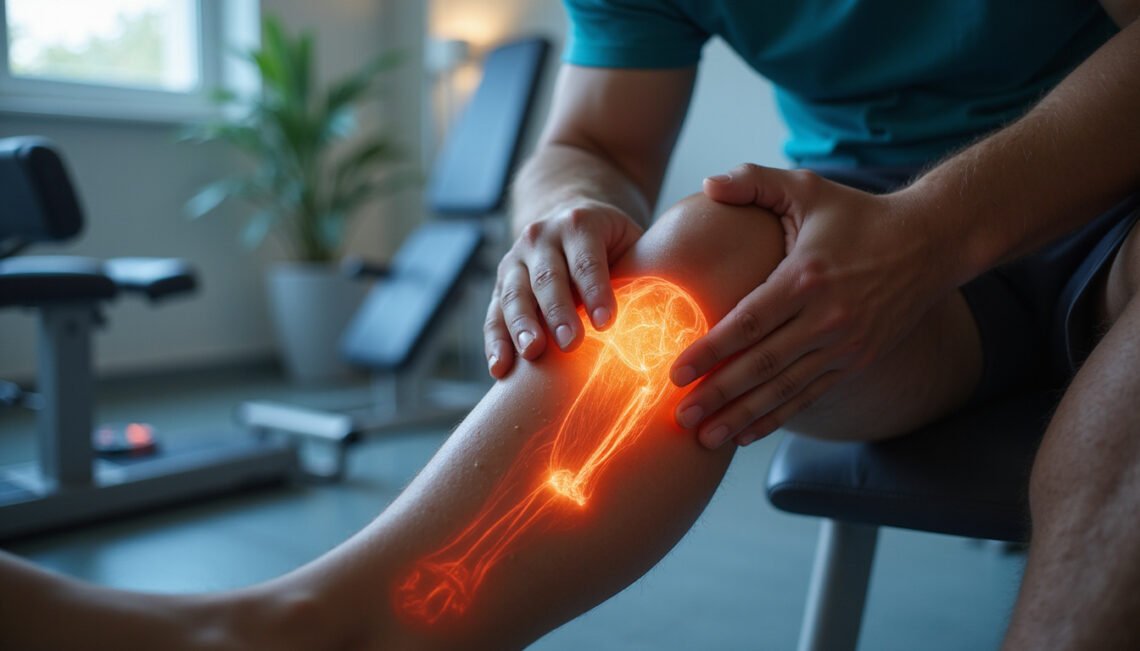
Your calf is the muscular area on the back of your lower leg, primarily made up of the gastrocnemius and soleus muscles. Calf pain can feel like:
- A dull ache or tightness
- Sharp or stabbing pain
- Burning or cramping (like a “charley horse”)
- Throbbing or heaviness, especially when walking
Mild, short-lived discomfort after activity is often not serious. But calf pain can sometimes signal conditions like blood clots, nerve issues, or tendon tears that need urgent care.
Seek immediate medical attention (ER or urgent care) if calf pain is accompanied by:
- Sudden swelling in one leg
- Redness, warmth, or tenderness in the calf
- Unexplained severe pain, especially if you’re not active
- Shortness of breath, chest pain, or coughing up blood (could signal a clot that has traveled to the lungs)
- Inability to walk or put weight on the leg
Common Causes of Calf Pain
Understanding the root cause of your calf pain is key to choosing the right treatment.
1. Muscle Strain or Overuse
A calf strain happens when the muscle fibers are overstretched or torn. This is common in:
- Runners, hikers, and jumpers
- Weekend warriors pushing too hard, too fast
- People doing sudden sprints or explosive movements
Typical symptoms:
- Sudden sharp pain during activity
- Tenderness when touching the calf
- Pain or stiffness when walking, especially uphill or on stairs
- Possible bruising or swelling
Mild strains may just feel tight or sore, while more severe ones can make it difficult to walk.
2. Calf Cramps (Charley Horse)
Cramps are sudden, intense, involuntary muscle contractions. They often strike at night or during/after exercise.
Common triggers:
- Dehydration
- Electrolyte imbalances (low potassium, magnesium, calcium, sodium)
- Fatigue from overuse
- Poor blood flow
- Certain medications (e.g., some diuretics, statins)
Calf cramps cause hard, knotted muscles and sharp pain lasting seconds to minutes, sometimes leaving residual soreness.
3. Delayed Onset Muscle Soreness (DOMS)
If you started a new workout, increased intensity, or returned to activity after a break, your calf pain may be DOMS.
Features of DOMS:
- Starts 12–24 hours after activity
- Peaks around 24–72 hours
- Feels like aching, tightness, or stiffness
- Improves on its own with rest and light movement
DOMS is uncomfortable but typically harmless and part of the adaptation process as muscles get stronger.
4. Achilles Tendon Problems
The Achilles tendon attaches your calf muscles to your heel bone. When it’s irritated or damaged, you may feel pain:
- In the lower part of the calf, near the back of the heel
- When pushing off to walk, run, or climb stairs
- First thing in the morning or after sitting for a long time
Common conditions:
- Achilles tendinitis – irritation/inflammation from overuse
- Achilles tendinosis – chronic degeneration from long-term stress
- Partial or complete tear – sudden, severe pain with a “pop” and difficulty pushing off or standing on tiptoe
Achilles issues need proper management to avoid rupture.
5. Sciatica and Nerve-Related Pain
Not all calf pain comes from the calf. Sciatica occurs when the sciatic nerve is irritated or compressed in the lower back or buttock.
Signs your calf pain may be nerve-related:
- Pain shoots from the buttock or thigh down into the calf or foot
- Numbness, tingling, or “pins and needles”
- Weakness in the leg or foot
- Pain worsens with sitting or certain back positions
If symptoms persist or affect your ability to function, medical evaluation is important.
6. Deep Vein Thrombosis (DVT)
A deep vein thrombosis is a blood clot in a deep vein, often in the calf or thigh. This is a medical emergency because the clot can travel to the lungs (pulmonary embolism).
Risk factors:
- Recent surgery or hospitalization
- Long periods of sitting (long flights, car rides)
- Pregnancy or recent childbirth
- Hormone therapy or birth control pills
- Cancer or certain genetic clotting disorders
- Smoking, obesity, older age
Possible symptoms:
- Swelling in one leg (especially calf)
- Warmth, redness, and tenderness
- Pain that may worsen when standing or walking
If you suspect DVT, do not massage the area or delay—seek immediate care. Diagnosis typically uses ultrasound imaging (source: CDC – Deep Vein Thrombosis).
7. Peripheral Artery Disease (PAD)
Peripheral artery disease is narrowing of the arteries that reduces blood flow, usually in the legs. It often causes:
- Cramping or aching calf pain during walking
- Pain that improves with rest and returns at the same walking distance
- Cold feet or legs, poor wound healing, or hair loss on the legs
PAD is more common in smokers, people with diabetes, high cholesterol, high blood pressure, or a history of heart disease.
Quick Relief Tips for Calf Pain
Once serious causes are ruled out, many cases of calf pain improve with simple, targeted self-care.
1. Use the R.I.C.E. Method (for Mild Strains and Overuse)
For recent injuries and overuse:
- Rest: Avoid or modify activities that worsen pain.
- Ice: Apply a cold pack 15–20 minutes at a time, several times a day for the first 48–72 hours.
- Compression: Use a compression sleeve or elastic bandage (not too tight) to reduce swelling.
- Elevation: Prop your leg up so your calf is above heart level when possible.
2. Gentle Stretching and Mobility
When pain allows (usually after the first 24–48 hours), gentle calf stretches can ease tightness and improve blood flow:
-
Wall calf stretch:
- Stand facing a wall, hands on the wall.
- Step one foot back, heel flat, knee straight.
- Lean forward until you feel a stretch in the calf of the back leg.
- Hold 20–30 seconds, repeat 2–3 times per side.
-
Bent-knee calf stretch:
- Same position, but slightly bend the back knee to target the deeper soleus muscle.
Avoid bouncing; ease into the stretch and stop if pain sharpens.
3. Heat Therapy (After Acute Phase)
After the initial swelling phase has passed (often after 48–72 hours), heat can help:
- Warm compresses
- Heating pads on low to medium
- Warm baths or showers
Heat relaxes tight muscles and increases circulation, which can reduce lingering soreness.
4. Over-the-Counter Pain Relief
If appropriate for you (check with a healthcare professional if you have other conditions or take medication), you may use:
- Acetaminophen for pain relief
- NSAIDs (ibuprofen, naproxen) for pain and inflammation
Use the lowest effective dose for the shortest needed time, and always follow label directions.
5. Massage and Self-Myofascial Release
Gentle massage or foam rolling can help ease muscle tension and improve flexibility:
- Roll or massage toward the heart to support circulation.
- Avoid aggressive pressure, especially if you have bruising, severe pain, or any DVT risk.
- Stop immediately if pain increases or you notice swelling/redness.
6. Hydration and Electrolytes
When calf pain is due to cramps:
- Drink water consistently throughout the day.
- Consider electrolyte replacement if you sweat heavily or exercise intensely.
- Include potassium, magnesium, and calcium-rich foods (bananas, leafy greens, yogurt, nuts, seeds) in your diet.
How to Prevent Calf Pain Long Term
Addressing the roots of calf strain, cramping, and overuse is the most effective way to avoid recurrent problems.
1. Warm Up Properly
Jumping into intense activity with “cold” muscles is a common setup for calf pain.
- Start with 5–10 minutes of light cardio (walking, cycling).
- Add dynamic movements like leg swings, calf raises, and gentle lunges.
- Save deep, static stretching for after your workout.
2. Progress Training Gradually
Follow the “10% rule”: increase mileage, time, or intensity by no more than about 10% per week to allow your muscles and tendons to adapt.
Avoid:
- Sudden jumps in running distance or speed
- Back-to-back intense leg days without recovery
- Only training on hills or stairs if you’re not conditioned for it
3. Strengthen Your Calf and Supporting Muscles
Stronger calves are more resilient and less prone to injury.
Helpful exercises:
-
Standing calf raises:
- Stand on a flat surface or step.
- Rise onto your toes, then lower slowly.
- Aim for 2–3 sets of 10–15 reps.
-
Single-leg calf raises:
- More advanced; builds balance and strength.
-
Eccentric heel drops (for Achilles support):
- Stand on a step with heels off the edge.
- Lift up with both feet, then slowly lower down on one foot.
Include exercises for glutes, hamstrings, and core—imbalances in these areas can overload the calf.
4. Wear Appropriate Footwear
Shoes that fit poorly or are worn out can change your gait and strain your calf muscles and Achilles tendon.
- Replace running or training shoes roughly every 300–500 miles.
- Choose shoes suited to your foot type and activity (e.g., stability shoes for overpronation).
- Consider orthotics if you have flat feet, high arches, or recurring calf or Achilles issues—ideally after consulting a professional.
5. Maintain Flexibility
Make calf stretching a daily habit, not just something you do when you’re already in pain.
Aim to stretch:
- After workouts
- After long periods of sitting or standing
- Before bed if you’re prone to nighttime calf cramps
Consistent stretching keeps tissues supple and reduces the risk of sudden strains.
6. Support Healthy Circulation
Good blood flow helps reduce calf pain from cramping and vascular issues.
- Move regularly during long periods of sitting—stand and walk for a few minutes every hour.
- On long flights or car trips, flex and extend your ankles every 20–30 minutes and take walking breaks when possible.
- Ask your doctor about compression stockings if you have varicose veins, DVT history, or circulation problems.
- Don’t smoke, and manage blood pressure, cholesterol, and blood sugar, as these all affect leg circulation.
When to See a Doctor or Specialist About Calf Pain
Even if your calf pain isn’t an emergency, professional evaluation is wise when:
- Pain lasts more than 1–2 weeks despite rest and self-care
- You have recurring calf pain during or after exercise
- There is visible deformity, significant weakness, or a feeling of “giving way”
- You hear or feel a “pop” with immediate pain and difficulty walking
- You have a history of blood clots, heart disease, or circulation problems
Possible evaluations include a physical exam, imaging (ultrasound, X-ray, MRI), or vascular tests, depending on your symptoms.
Simple Daily Routine to Protect Your Calves
To make prevention practical, here’s a quick daily checklist:
- Hydrate: Start the day with water and keep sipping regularly.
- Warm Up: Before activity, do 5–10 minutes of light movement.
- Stretch: After exercise, hold each calf stretch for 20–30 seconds, 2–3 times.
- Strengthen: Include 2–3 sets of calf raises 2–3 times per week.
- Move Often: Avoid sitting or standing in one position for long stretches.
- Check Footwear: Rotate or replace shoes before they are overly worn.
FAQ About Calf Pain
1. What causes calf muscle pain when walking?
Calf muscle pain when walking is commonly due to muscle fatigue, minor strains, or tightness from overuse. However, if the pain consistently appears at a certain walking distance and eases with rest, it may be a sign of peripheral artery disease (PAD). Sudden calf pain with swelling or warmth could signal a blood clot and needs urgent care.
2. How do I relieve calf cramp pain fast at night?
For nighttime calf cramp pain, gently straighten your leg and pull your toes toward your shin (using a towel if needed) to stretch the muscle. Stand and put weight on the leg if you can, or massage the area lightly. Applying a warm pack after the cramp subsides can help. Staying well hydrated and stretching before bed may reduce nighttime cramps.
3. When is calf and foot pain a sign of something serious?
Calf and foot pain can be serious if it’s linked to swelling, redness, or warmth in one leg, sudden severe pain, color changes in the skin, difficulty walking, or symptoms like chest pain and shortness of breath. These can indicate conditions such as deep vein thrombosis, severe infection, nerve compression, or vascular disease and should be evaluated urgently.
Calf pain doesn’t have to control your activity or cause constant worry. By understanding the common causes, using smart at-home strategies for quick relief, and building strong habits around warming up, strengthening, and circulation, you can significantly cut your risk of recurring problems.
If your calf pain is persistent, recurring, or you’re unsure about the cause, don’t guess—get a professional evaluation. Reach out to your doctor, a sports medicine specialist, or a physical therapist to get a personalized plan. Acting now can help you resolve today’s pain, protect your long-term mobility, and keep you confidently on your feet.