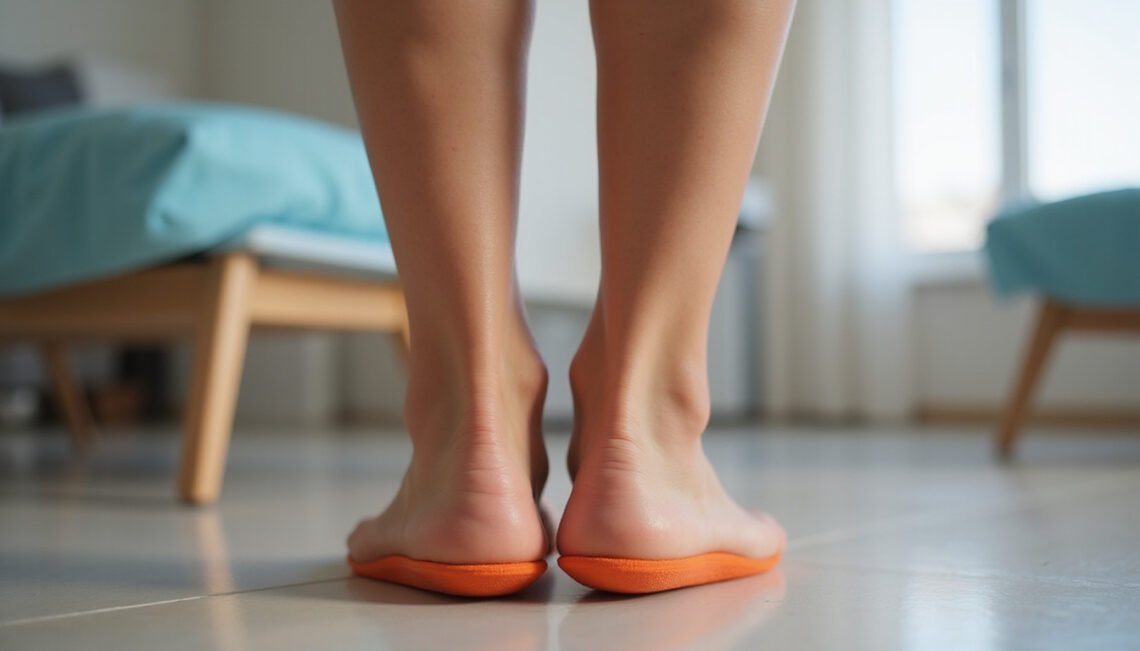
If you’re struggling with nagging foot, knee, or back pain, a simple heel lift might be one of the fastest, most affordable fixes you haven’t tried yet. When used correctly, a heel lift can instantly change how your body loads weight, reduce strain on tight tissues, and even help you stand taller with better posture—often in just a few steps.
This guide breaks down practical heel lift hacks you can use right away, how to choose the right type, and the mistakes to avoid so you don’t create new problems while solving old ones.
What is a heel lift and how does it work?
A heel lift is a small insert—usually made of cork, foam, rubber, silicone, or plastic—placed under the heel inside your shoe. Its core purposes are:
- To slightly raise the heel relative to the forefoot
- To shorten the effective length of the leg on that side
- To change how forces travel through your foot, ankle, knee, hip, and spine
By altering your heel height by a few millimeters to a centimeter or more, a heel lift can:
- Reduce tension on the Achilles tendon and calf
- Compensate for leg length discrepancies
- Offload painful structures in the heel, arch, or forefoot
- Encourage a more upright posture by adjusting pelvic tilt
Used strategically, this small adjustment can create big, immediate changes in comfort and alignment.
Fast heel lift hacks for instant relief
Here are targeted, practical ways to use a heel lift for specific problems. These are “hacks” in the sense that they work quickly—but they’re also grounded in sound biomechanics.
1. Hack for plantar fasciitis and heel pain
If you wake up with stabbing heel pain in the morning or after sitting, a heel lift can reduce the strain on your plantar fascia with each step.
How it helps
- Elevates your heel so the plantar fascia is slightly slackened
- Reduces the pull from a tight calf and Achilles on the heel bone
- Often makes first-thing-in-the-morning steps more bearable
How to do it
- Start with a low heel lift: 4–6 mm is often enough for many people.
- Place the heel lift underneath your existing insole or orthotic so it doesn’t shift.
- Use it in both shoes to keep your pelvis level unless you’ve been told otherwise by a clinician.
Combine this with gentle calf and plantar fascia stretching, and many people notice immediate relief plus better results over a few weeks.
2. Hack for Achilles tendon pain or calf tightness
Achilles tendinopathy and chronically tight calves often respond well to a carefully chosen heel lift.
Why it works
- Raising the heel reduces the amount the Achilles has to stretch with each step.
- That decreases peak tendon load, which can be especially helpful during a painful flare-up.
How to apply it
- Use a slightly higher heel lift than for plantar fasciitis: 6–10 mm is common.
- Again, use bilateral heel lifts (both shoes) unless a professional specifically recommends one side.
- Wear them during walking and daily activity, but continue progressive strengthening for the calf and Achilles so you don’t become dependent on the lift.
Research supports heel elevation as part of conservative treatment for Achilles pain when combined with exercise and load management (source: American Academy of Orthopaedic Surgeons).
3. Hack for leg length discrepancy (LLD)
If one leg is functionally or structurally shorter, your body will often compensate in ways that can cause pain and posture changes—like pelvic tilt, scoliosis, or one-sided hip and back pain. A heel lift on the shorter side can help restore symmetry.
Key points
- A true structural LLD (bone length difference) is typically confirmed by a clinician or imaging.
- A functional LLD can result from muscular imbalances, pelvic rotation, or foot posture—here, a heel lift may help, but underlying causes should also be addressed.
How to use it safely
- Don’t guess large amounts. For a new lift, start with about 50% of the measured discrepancy and increase gradually only if guided by a professional.
- Example: If you have a 10 mm difference, start with ~5 mm and see how your body responds over 1–2 weeks.
- Use the lift only on the shorter leg to level the pelvis.
This is one of the most effective uses of a heel lift for improving posture, as leveling the pelvis often reduces compensatory spinal curves and uneven shoulder height.
4. Hack for better posture at work and on the go
Not all posture improvements require complex exercises. A correctly placed heel lift can subtly change your alignment:
- Slightly raising the heels can encourage your pelvis to tilt into a more neutral position.
- That can decrease excessive arching in the low back (hyperlordosis) for some people.
- For others, especially those who live in minimalist shoes, a small heel lift can make standing and walking more comfortable on hard surfaces.
Try this simple routine
- Insert a 3–5 mm heel lift in both shoes you wear most often.
- Pay attention:
- Do your shoulders feel more relaxed?
- Does your low back feel less “arched” or strained by the end of the day?
- If things feel worse (more arching, more tightness), your body might prefer less lift or a flatter shoe—posture is individual.
5. Hack for forefoot pain and metatarsalgia
Forefoot pain (under the ball of the foot) often worsens in very flat shoes. A heel lift can shift some pressure away from the forefoot.
Why it helps
- Raising the heel slightly redistributes load toward the rearfoot.
- This can reduce pressure on painful metatarsal heads, especially in people with long second toes or high forefoot loading.
Implementation tips
- Use a modest heel lift: 3–6 mm is often enough.
- Ensure there’s enough toe box room; lifting the heel may slide the foot forward if shoes are too tight.
- Pair with a metatarsal pad if advised by a clinician for more targeted forefoot unloading.
How to choose the right heel lift for you
Not all heel lifts are created equal. Choosing the right style and material will make or break your comfort.
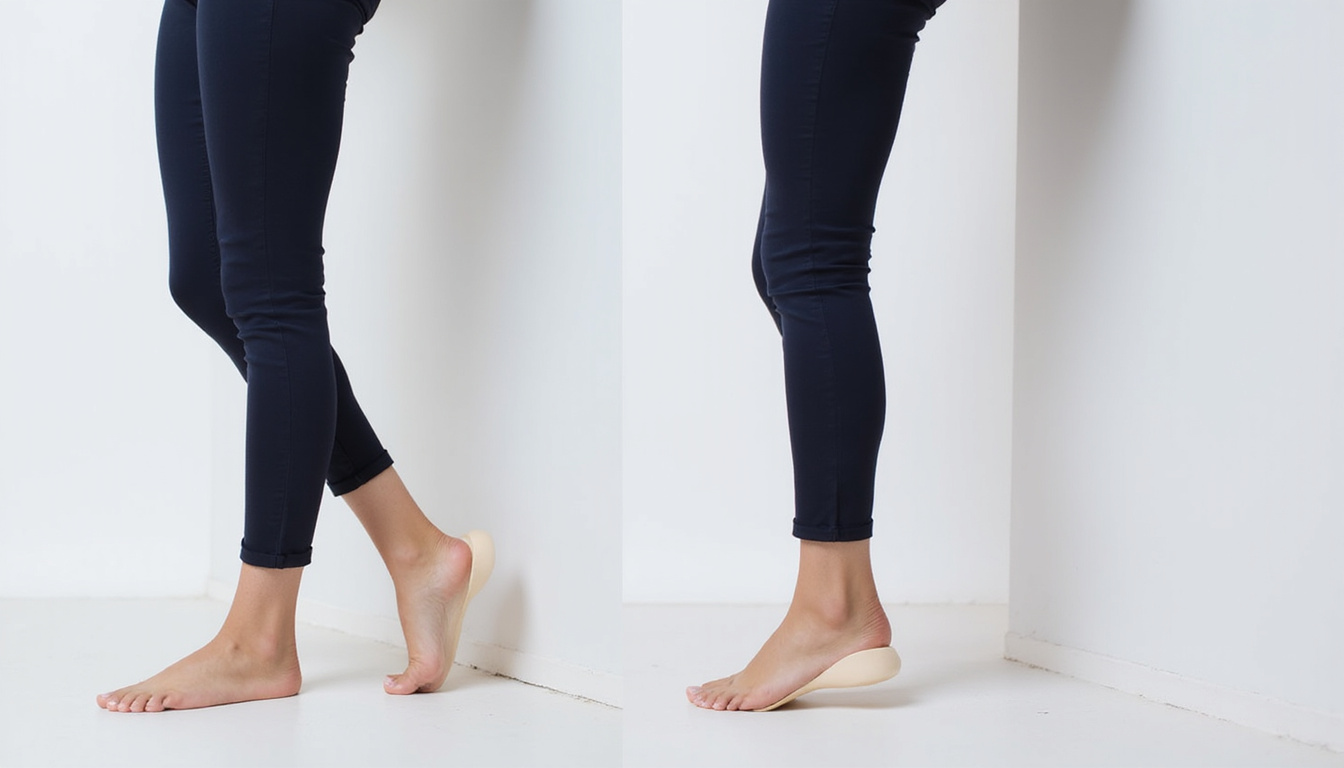
Material matters
-
Cork or firm foam
- Lightweight, stable, and inexpensive
- Good for everyday use or leg length discrepancy
-
Silicone or gel
- Softer and more shock-absorbing
- Great for heel pain, plantar fasciitis, or people on hard floors all day
-
Hard plastic
- Very durable but less forgiving
- Usually reserved for custom orthotic components
Height and shape
For most users, heel lift height falls between 3–12 mm (roughly 1/8"–1/2"). Larger corrections are possible but should be medically supervised.
- 3–5 mm: Subtle support, posture tweaks, mild forefoot/heel relief
- 6–10 mm: Moderate relief for heel pain, Achilles issues, or partial leg length correction
- >10 mm: Typically for confirmed leg length discrepancies, almost always guided by a clinician
Look for:
- A tapered front edge to avoid a sharp step under your arch.
- A textured top if your foot tends to slip inside the shoe.
Common mistakes when using a heel lift
Heel lifts are simple, but misusing them can lead to new aches or worsen posture.
Avoid these pitfalls:
-
Too much height too fast
- Jumping straight to a tall heel lift can overload your knees, hips, or low back.
- Ramp up height gradually if you’re making a larger correction.
-
One-sided lift when you don’t need it
- Using a heel lift only in one shoe without a true leg length difference can create pelvic imbalance.
- For general heel pain or posture, use them in both shoes.
-
Loose or unstable placement
- A shifting heel lift can create blisters and instability.
- Place it under the insole or use adhesive backing to anchor it.
-
Ignoring your shoe type
- In very minimal shoes, even a small heel lift can dramatically change feel and foot mechanics.
- In already high-heeled shoes, adding a lift can overly load the forefoot.
-
Using a heel lift as your only “treatment”
- For injuries like plantar fasciitis or Achilles tendinopathy, heel lifts should complement—not replace—stretching, strengthening, and load management.
Simple checklist: Are you a good candidate for a heel lift?
Consider trying a heel lift (or talking to a professional about one) if:
- You have morning heel pain or pain after rest.
- Standing on hard surfaces makes your heels or calves ache.
- You’ve been told you have a leg length discrepancy.
- Your Achilles tendon hurts with walking or running.
- You feel better in slightly heeled shoes than in very flat ones.
If your pain is severe, worsening, or associated with numbness, weakness, or systemic symptoms (fever, unexplained weight loss), see a healthcare provider before experimenting.
How to introduce a heel lift safely
To give your body time to adapt:
- Start low
- Begin with the smallest effective heel lift height.
- Limit initial wear time
- Use for 1–2 hours on day one, then gradually increase a couple of hours each day.
- Monitor your body
- Note changes in foot, knee, hip, and back comfort.
- Mild muscle soreness is possible; sharp or increasing pain is a red flag.
- Pair with gentle mobility work
- Calf stretches, ankle circles, and gentle hip mobility can help your body adapt to new loading.
Quick reference: Heel lift use cases
Here’s a simple summary to guide your choice:
-
Plantar fasciitis / general heel pain
- Bilateral lifts, 4–6 mm, softer material
-
Achilles tendon pain / tight calves
- Bilateral lifts, 6–10 mm, medium to soft material
-
Leg length discrepancy
- One-sided lift on the shorter leg, start at ~50% of measured difference
-
Forefoot pain / metatarsalgia
- Bilateral lifts, 3–6 mm, moderate firmness
-
Subtle posture support
- Bilateral lifts, 3–5 mm, comfortable material you can wear all day
FAQ: Heel lift basics and troubleshooting
Q1: Are heel lifts good for plantar fasciitis?
Yes, a properly sized heel lift for plantar fasciitis can reduce strain on the plantar fascia and Achilles, often easing heel pain quickly. It works best when combined with stretching, strengthening, and appropriate footwear rather than used alone.
Q2: Can a heel lift help with back pain and posture?
In people whose back pain is related to pelvic tilt or leg length discrepancy, a heel lift in the shorter leg can significantly improve alignment and symptoms. Even without a big discrepancy, small bilateral heel lifts sometimes help people feel more upright and comfortable when standing or walking.
Q3: Is it safe to wear a heel lift all day?
For most people, yes—if the heel lift height is moderate, introduced gradually, and your shoes fit well. If you develop new knee, hip, or back pain after using a heel lift, reduce the height, limit wear time, or consult a podiatrist or physical therapist for a tailored assessment.
Take the next step: use a heel lift strategically, not randomly
You don’t need to live with constant foot and posture-related pain, and you also don’t need a complicated solution. A well-chosen heel lift, used in the right shoe and for the right reason, can transform your comfort in a matter of minutes while supporting healthier posture over time.
If any of the scenarios above sound like you—morning heel pain, Achilles tightness, one-sided hip or back discomfort, or feeling better in slightly heeled shoes—experiment with a small, quality heel lift and track how your body responds over a week or two. For persistent or complex issues, consider bringing your shoes and lifts to a podiatrist or physical therapist for fine-tuning.
Your next pain-free step might literally be just a few millimeters higher—start with a thoughtful heel lift and feel the difference in your walk, your posture, and your day.