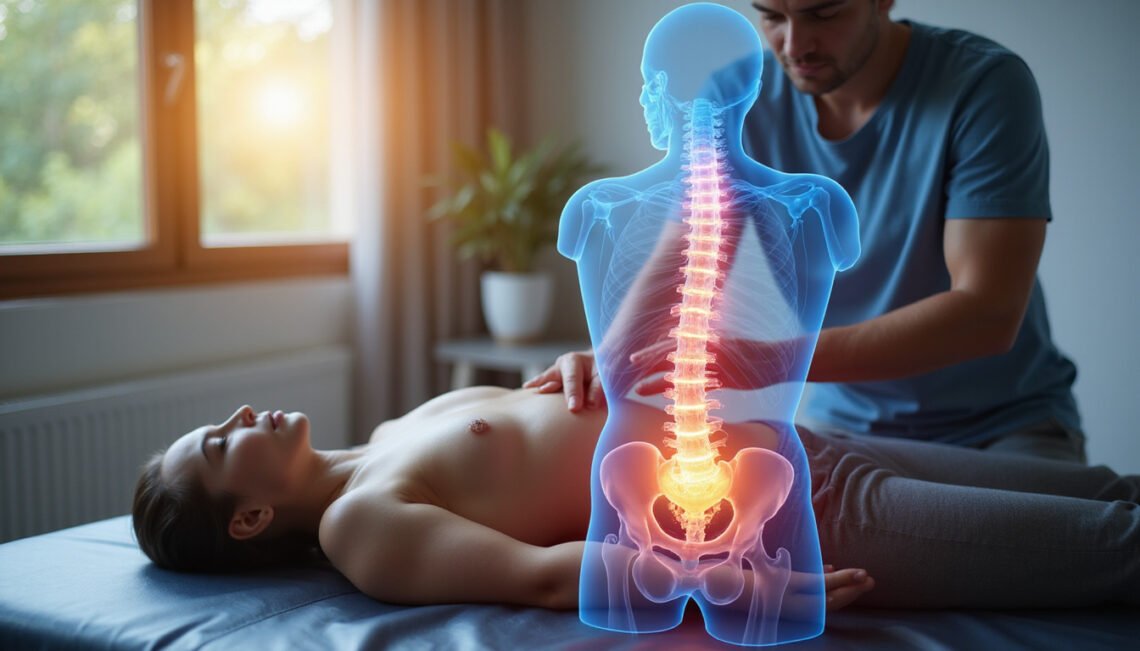
If you or a loved one is preparing for a hemilaminectomy, you’re probably wondering how long recovery will take and what you can realistically expect week by week. Understanding the typical healing timeline—and what you can do to support your body along the way—can reduce anxiety, help you plan your life and work, and improve your long-term outcome.
Below is an evidence-based, people-focused guide to hemilaminectomy recovery, broken down into phases, with practical tips from spine-care best practices.
What is a hemilaminectomy?
A hemilaminectomy is a type of spine surgery where the surgeon removes part of one side of the vertebral lamina (the bony arch at the back of the vertebra). It’s most commonly done to:
- Relieve pressure on a compressed spinal nerve or the spinal cord
- Treat herniated discs, spinal stenosis, or bone spurs on one side
- Reduce leg or arm pain, numbness, or weakness caused by nerve compression
Because only part of the lamina is removed, a hemilaminectomy is generally less invasive than a full laminectomy, which may help preserve spinal stability and potentially allow for a smoother recovery in some patients.
Recovery time varies based on:
- Spine level involved (cervical, thoracic, lumbar)
- Age and overall health
- Whether additional procedures (like discectomy or fusion) were done
- Pre-surgery symptoms and level of nerve damage
The timeline below assumes a straightforward hemilaminectomy without fusion; if you had additional procedures, healing may be slower.
Overall hemilaminectomy recovery timeline at a glance
Every patient is different, but many people follow a pattern similar to this:
- Hospital stay: Same day to 1–2 days
- First week: Acute pain and fatigue; focus on protection and short walks
- Weeks 2–4: Gradual increase in activity; pain usually decreases
- Weeks 4–8: Light exercise and early physical therapy; return to desk work for many patients
- Months 3–6: Building strength and endurance; near-full activity for most
- After 6 months: Continued healing and fine-tuning; long-term maintenance
Think of recovery not as a single destination but as phases of progress.
Immediately after hemilaminectomy: Hospital and first 48 hours
Right after surgery, you’ll go to a recovery area where nurses monitor your vital signs, pain levels, and movement.
What to expect in the hospital
- Pain control: Medication will be given through IV or by mouth. Incisional pain and muscle soreness are normal.
- Nerve symptoms: Some patients feel immediate relief of shooting leg or arm pain; others notice a more gradual change. Temporary increased numbness or tingling can happen as nerves “wake up.”
- Getting up: You’ll likely sit up and walk short distances with help on the same day or the day after surgery, depending on your surgeon’s protocol.
- Bladder and bowel function: Staff will closely monitor this; difficulty urinating or loss of control is an urgent sign that must be reported.
Most hemilaminectomy patients go home the same day or within 24–48 hours, once pain is controlled, mobility is safe, and there are no complications.
Week 1: Protecting the spine and managing pain
The first 7 days after a hemilaminectomy are focused on protection, pain control, and gentle movement.
Typical symptoms
- Incisional soreness and stiffness around the back or neck
- Fatigue and needing more sleep than usual
- Tightness in surrounding muscles
- Residual or fluctuating nerve symptoms (numbness, tingling, mild weakness)
Red flags that require immediate medical care:
- Fever over 101°F (38.3°C)
- Worsening rather than improving leg/arm weakness
- Loss of bladder or bowel control
- Severe, sudden increase in pain or new numbness
- Redness, warmth, discharge, or opening at the incision
Activity guidelines in week 1
- Short walks in your home several times daily (as tolerated)
- Avoid bending forward, twisting, or lifting anything heavier than 5–10 pounds
- Sit only for short periods; change positions frequently
- Use prescribed pain medication as directed, then begin tapering as pain allows
Support at home—help with meals, childcare, or pet care—can be crucial this week.
Weeks 2–4: Building a stable foundation
By the second to fourth week after hemilaminectomy, many patients notice pain lessening and energy gradually returning.
Common improvements
- Less incisional pain and muscle spasm
- Easier walking and moving from sitting to standing
- More confidence with basic self-care tasks
Activity goals
- Walking: Gradually increase distance. A common target is 5–10 minutes of walking, 3–4 times per day, as tolerated.
- Sitting and standing: You can typically sit a bit longer (20–30 minutes at a time), but should still alternate positions.
- Driving: Some patients can resume short, local driving after 2–3 weeks if they are off narcotic pain medication, can turn their neck safely (for cervical surgery), and can make emergency stops. Always confirm with your surgeon.
You might have your first post-op follow-up during this period, at which the surgeon will:
- Check your incision and remove any remaining sutures or staples
- Review your pain, function, and any lingering nerve symptoms
- Possibly clear you for more activity or refer you to physical therapy
Weeks 4–8: Regaining mobility and strength
The one- to two-month mark is a key phase in hemilaminectomy recovery. Most patients can noticeably increase activity, and many begin formal physical therapy.
What physical therapy may include
- Gentle stretching to restore flexibility in hip, leg, or shoulder muscles
- Core stability exercises to support the spine
- Posture and body-mechanics training for sitting, lifting, and bending
- Progressive strengthening of glutes, hips, and back muscles
Returning to work
- Desk/office work: Many patients can return (part-time or modified) around 4–6 weeks, depending on pain, concentration, and commute.
- Light duty manual work: Often possible around 6–8 weeks with restrictions.
- Heavy manual labor: Usually delayed for 3–6 months and requires surgeon clearance.
Activity advances
- Longer walks (20–30 minutes at a time, if tolerated)
- Light household tasks (no heavy lifting or deep bending)
- Gentle stationary biking or pool walking, if cleared by your provider
Pain should generally be trending down, though you may still feel:
- Occasional “twinges” around the incision
- Mild soreness after activity increases
- Intermittent nerve sensations as damaged nerves continue to heal
Months 3–6: Returning to a fuller life
Between three and six months after hemilaminectomy, many people feel much closer to “normal,” especially if they’ve stayed active in their rehab.
Expected progress
- Stronger core and back muscles
- Improved posture and endurance
- Marked reduction in pre-surgical leg or arm pain
- More confidence with daily and recreational activities
Depending on your job and your surgeon’s advice, you may:
- Fully return to office work without restrictions
- Resume most household and yard tasks, using proper body mechanics
- Reintroduce non-impact exercise like swimming, elliptical, or moderate hiking
Some residual numbness or mild weakness can linger, especially if nerve compression existed for a long time before surgery. Nerves can continue to recover for 12–18 months (source: American Association of Neurological Surgeons).
After 6 months: Long-term healing and prevention
At six months and beyond, hemilaminectomy recovery is usually less about immediate healing and more about long-term spine health and preventing future problems.
Long-term goals
- Maintain a healthy weight to reduce spinal load
- Keep up with a balanced exercise program (aerobic, strength, flexibility)
- Practice spine-safe body mechanics in daily life
- Avoid prolonged sitting without breaks
- Address any new or recurring symptoms early
Patients who commit to lifestyle changes and ongoing spine health strategies often have better long-term outcomes and lower risk of recurrent pain.
Expert tips for faster, safer hemilaminectomy healing
While you can’t “rush” biological healing, you can support your body intelligently. Here are key strategies:
1. Move frequently, but respect your limits
- Short, frequent walks promote circulation, reduce stiffness, and lower risk of blood clots.
- Avoid the “all or nothing” trap—overdoing it one day and needing to rest excessively the next.
- Listen to your body: mild soreness is fine; sharp or escalating pain is a warning sign.
2. Prioritize core and hip strength
Weak core and hip muscles force your spine to work harder. Under professional guidance, build strength in:
- Deep abdominal muscles
- Gluteal muscles
- Hip stabilizers
Stronger support muscles = less strain on the surgical area over time.
3. Protect your incision and posture early on
- Keep the incision clean and dry as directed.
- Use a firm chair with good back support; avoid soft couches that cause slouching.
- Use a small pillow or rolled towel behind your lower back when sitting.
4. Optimize sleep for healing
- Use pillows to keep your spine aligned (between the knees if side-sleeping, under knees if on your back).
- Aim for 7–9 hours of quality sleep to support tissue repair, hormone balance, and mood.
- If pain disrupts sleep, discuss medication timing or alternative strategies with your provider.
5. Fine-tune your pain management plan
- Follow your surgeon’s instructions on medications and tapering off opioids.
- Use non-drug strategies too: ice/heat (as permitted), gentle stretches, relaxation breathing.
- Tell your doctor if pain remains severe or interferes with rehab; under-treated pain can slow progress.
6. Support healing with nutrition and hydration
- Focus on lean protein (fish, poultry, eggs, beans) to support tissue repair.
- Eat plenty of fruits, vegetables, and whole grains for vitamins, minerals, and fiber.
- Stay hydrated and manage constipation, especially if you’re taking opioid pain medications.
7. Avoid common “recovery saboteurs”
- Smoking or vaping nicotine – impairs blood flow and slows healing.
- Ignoring restrictions – lifting too heavy or twisting early can risk re-injury.
- Staying in bed – prolonged rest leads to stiffness, weakness, and slower recovery.
- Skipping follow-ups – you might miss the chance to adjust your rehab plan or catch issues early.
Hemilaminectomy recovery FAQs
How long does it take to fully recover from a hemilaminectomy?
For many people, functional recovery after hemilaminectomy takes about 3–6 months, with steady improvements along the way. You’ll often feel significantly better within 6–8 weeks for everyday tasks. However, full nerve healing and strength gains—especially if there was longstanding nerve compression—can continue for 12 months or more.
When can I go back to work after a hemilaminectomy?
Returning to work after hemilaminectomy depends on your job and personal recovery:
- Desk/office jobs: often 4–6 weeks, sometimes sooner with accommodations.
- Light physical work: typically 6–8 weeks.
- Heavy labor: often 3–6 months, with surgeon clearance.
Your surgeon and physical therapist can help tailor this to your specific situation.
What exercises are best after hemilaminectomy surgery?
In the early weeks, post-hemilaminectomy exercise usually centers on gentle walking and basic movements like ankle pumps and easy stretches. As you progress, therapy often adds:
- Core stabilization (like abdominal bracing and pelvic tilts)
- Glute and hip strengthening (bridges, side steps)
- Low-impact cardio (stationary bike, pool walking)
Always follow a personalized program from your healthcare team rather than copying generic routines.
Take charge of your hemilaminectomy recovery
A hemilaminectomy can be a powerful turning point—offering relief from disabling pain and a chance to reclaim your mobility. Your outcome isn’t determined only in the operating room; what you do in the weeks and months after surgery matters enormously.
If you’re preparing for surgery, in the early stages of healing, or feeling stuck in your progress:
- Talk openly with your surgeon about your goals and any concerns.
- Ask for a referral to a spine-focused physical therapist.
- Put simple, sustainable daily habits—walking, good posture, core work, and healthy nutrition—at the center of your plan.
You don’t have to navigate this alone. Partner closely with your healthcare team, follow the recovery timeline as a flexible guide (not a rigid rulebook), and commit to small, consistent steps. With the right approach, a hemilaminectomy can be the first chapter in a stronger, more active, and less painful life.