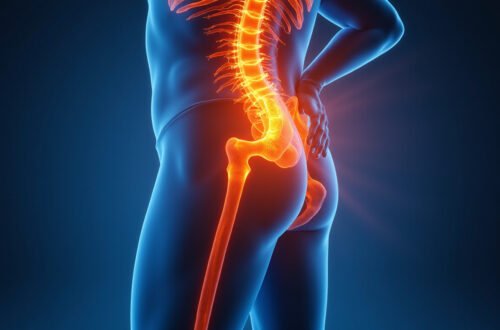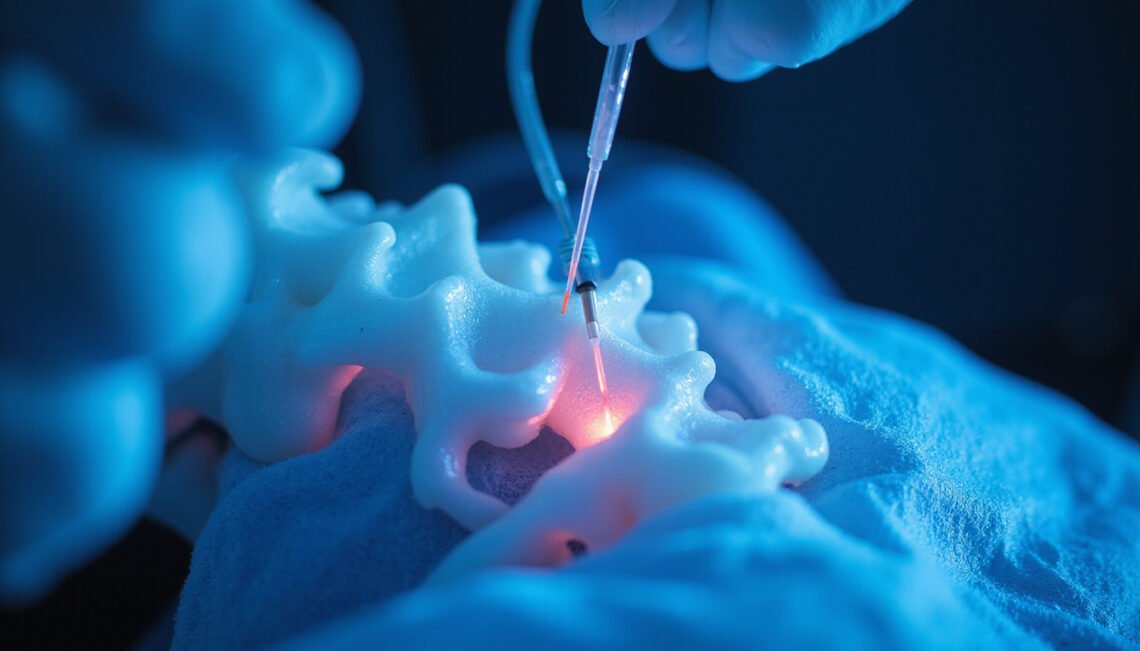
Interventional pain has become a central concept in modern pain management, offering targeted, minimally invasive procedures designed to diagnose and treat pain at its source. For many people living with chronic back pain, joint pain, nerve pain, or cancer-related pain, these techniques can provide meaningful relief when medications, physical therapy, or surgery alone are not enough.
This guide explains what interventional pain treatments are, how they work, and what breakthrough options are available today—so you can have an informed conversation with your pain specialist about the safest and most effective pathway forward.
What is interventional pain management?
Interventional pain management is a medical subspecialty that uses image-guided, minimally invasive procedures to diagnose and treat painful conditions. Instead of relying solely on pills or open surgery, clinicians use needles, catheters, tiny electrodes, and targeted injections to directly influence painful nerves, joints, or tissues.
Typical goals of interventional pain care include:
- Reducing pain intensity
- Improving mobility and function
- Decreasing reliance on opioid medications
- Delaying or avoiding major surgery when possible
- Enhancing quality of life and daily independence
These procedures are often performed by anesthesiologists, physiatrists (PM&R physicians), or neurologists with fellowship training in interventional pain.
Conditions commonly treated with interventional pain techniques
Interventional pain treatments can help a broad range of painful conditions, particularly when conservative options haven’t provided adequate relief.
Common indications include:
-
Spine-related pain
- Herniated or bulging discs
- Degenerative disc disease
- Spinal stenosis
- Facet joint arthritis
- Sacroiliac (SI) joint dysfunction
-
Nerve and neuropathic pain
- Sciatica / radiculopathy
- Complex regional pain syndrome (CRPS)
- Peripheral neuropathy
- Post-herpetic neuralgia
- Nerve entrapments
-
Joint and musculoskeletal pain
- Osteoarthritis of the knee, hip, shoulder
- Tendon and ligament injuries
- Myofascial pain syndromes
-
Cancer-related and post-surgical pain
- Tumor-related nerve compression
- Chronic pain after surgery or trauma
Not everyone is a candidate for every procedure, but an interventional pain specialist can match specific techniques to your diagnosis, general health, and treatment goals.
Diagnostic vs. therapeutic interventional pain procedures
Interventional pain procedures can be:
- Diagnostic – To help pinpoint which structure (joint, nerve, disc, etc.) is generating your pain. Temporary numbing injections or selective nerve blocks often serve this role.
- Therapeutic – To provide longer-lasting relief by calming inflammation, interrupting pain signals, or changing how nerves transmit pain.
Often, a diagnostic block comes first. If it provides significant temporary relief, it confirms the pain source and guides the choice of more durable interventional therapies.
Core types of interventional pain treatment
1. Epidural steroid injections (ESIs)
What they are: Steroid (corticosteroid) plus local anesthetic injections into the epidural space around the spinal nerves.
Best for:
- Herniated discs
- Spinal stenosis
- Sciatica (nerve root irritation)
How they help: The steroid reduces inflammation around irritated nerves, lowering pain and often improving walking tolerance and activity levels.
Benefits:
- Outpatient procedure
- Relief can last weeks to months
- May be repeated a limited number of times per year
2. Facet joint and medial branch blocks
What they are: Injections into the small joints of the spine (facet joints) or around the medial branch nerves that carry pain signals from these joints.
Best for:
- Arthritic back or neck pain
- Pain worsened by bending backward or twisting
How they help:
- Diagnostic stage: Temporary numbing to confirm the facet joint is the pain source.
- Therapeutic stage: If blocks are successful, radiofrequency ablation (RFA) of the medial branch nerves is often the next step.
Breakthrough: radiofrequency ablation (RFA) and cooled RFA
Radiofrequency ablation is one of the most important advances in interventional pain management for chronic spine and joint pain.
How RFA works
A thin needle is positioned near the targeted nerve under X-ray or ultrasound guidance. A small radiofrequency current heats a tiny area of nerve tissue, disrupting its ability to transmit pain signals. You remain awake but typically receive numbing medicine and mild sedation.
Types of RFA
- Conventional RFA: Generates a small lesion at the tip of the needle.
- Cooled RFA: Uses cooled probes enabling a larger treatment zone at a lower temperature, sometimes improving outcomes for certain joints (e.g., knee, SI joint).
Conditions RFA can treat
- Facet-mediated neck and low back pain
- Sacroiliac (SI) joint pain
- Chronic knee osteoarthritis pain (genicular nerve RFA)
- Some hip and shoulder pain syndromes
Benefits of RFA in interventional pain care
- Minimally invasive, no large incisions
- Performed as outpatient
- Pain relief may last 6–12 months or longer, until the nerve regrows
- Can be repeated when needed
- Often reduces need for pain medications and improves function
Minimally invasive spine procedures
1. Minimally invasive lumbar decompression (MILD procedure)
What it is: A tiny instrument inserted through a small incision to remove excess ligament tissue (ligamentum flavum) that compresses spinal nerves in lumbar spinal stenosis.
Benefits:
- Very small incision (typically < 1 cm)
- Preserves bone and spinal stability
- Short recovery, often same-day discharge
- Can increase walking distance and standing time
2. Vertebroplasty and kyphoplasty
What they are: Cement augmentation procedures for painful vertebral compression fractures (often from osteoporosis).
- Vertebroplasty: Injection of bone cement into the fractured vertebra.
- Kyphoplasty: A balloon is first inserted to restore height, then cement is injected.
Benefits:
- Rapid pain relief for many patients
- Stabilizes the fracture
- Can improve mobility and reduce need for opioids
According to the American Society of Interventional Pain Physicians, these procedures are well-established in carefully selected patients with acute or subacute fractures (source: ASIPP guidelines).
Image-guided joint and soft tissue injections
Interventional pain physicians use ultrasound or fluoroscopy (live X-ray) to precisely target painful joints and soft tissues.
Common procedures
-
Knee, hip, and shoulder injections
- Corticosteroids to reduce inflammation
- Hyaluronic acid (viscosupplementation) in knees
- Emerging biologics such as platelet-rich plasma (PRP) or bone marrow concentrate in some settings
-
Bursa injections
- For trochanteric bursitis, subacromial bursitis, and others
-
Trigger point injections
- For myofascial pain and muscle knots
Image guidance improves accuracy and may improve both safety and outcomes compared with “blind” injections.
Advanced interventional options: neuromodulation
Neuromodulation therapies represent a major breakthrough in interventional pain for patients whose pain has not responded to more conservative options.

1. Spinal cord stimulation (SCS)
What it is: A small device (similar to a pacemaker) implanted under the skin sends mild electrical impulses to the spinal cord through thin leads placed in the epidural space.
Best for:
- Failed back surgery syndrome (FBSS)
- Chronic radicular pain (leg or arm)
- Complex regional pain syndrome (CRPS)
- Certain neuropathic pain conditions
How it works: Electrical stimulation modifies pain signals before they reach the brain. Many patients experience significant pain reduction and improved quality of life.
Benefits:
- Trial phase: Temporary leads allow you to test the therapy before deciding on a permanent implant.
- Adjustable: Settings can be fine-tuned to your pain pattern.
- Reversible: Device can be removed if needed.
2. Peripheral nerve stimulation (PNS)
What it is: A tiny electrode placed near a specific peripheral nerve delivers low-level electrical pulses.
Targets may include:
- Occipital nerves (for some headache disorders)
- Suprascapular nerve (shoulder pain)
- Femoral or sciatic nerves (limb pain)
- Genicular nerves (knee pain)
PNS can be a powerful option when pain is localized to a well-defined nerve territory.
Sympathetic nerve blocks and neurolytic procedures
Some pain syndromes involve the sympathetic nervous system—nerves that control blood flow and certain involuntary functions.
Sympathetic blocks
- Stellate ganglion block: For upper extremity CRPS or some vascular pain
- Lumbar sympathetic block: For lower extremity CRPS or ischemic pain
These blocks can reduce pain, improve blood flow, and sometimes break pain cycles.
Neurolytic procedures
In severe, refractory cases (often related to cancer pain), neurolytic agents (like alcohol or phenol) or radiofrequency may be used to intentionally destroy specific pain pathways, such as:
- Celiac plexus neurolysis for pancreatic or upper abdominal cancer pain
- Superior hypogastric plexus neurolysis for pelvic cancer pain
These procedures can significantly ease suffering in palliative care settings when other options are limited.
Safety, risks, and recovery
Interventional pain treatments are generally safe when performed by experienced clinicians, but like any medical procedure, they carry risks.
Possible risks
- Bleeding or infection at the injection or incision site
- Allergic reaction to medications or contrast dye
- Temporary increase in pain or numbness
- Nerve injury (rare)
- Dural puncture headaches (for some spinal procedures)
- Device-related complications with implants (lead migration, hardware failure, infection)
What to expect during recovery
- Most procedures are outpatient with same-day return home.
- Activity restrictions are usually short-term and tailored to the procedure.
- Pain relief timelines vary:
- Local anesthetic: immediate but short-lived
- Steroids: may take several days to peak
- RFA: gradual improvement over 1–3 weeks as inflammation settles
- Neuromodulation: trial phase provides early feedback; longer-term benefits accrue with optimization
Your provider should give specific pre- and post-procedure instructions, including medication adjustments (e.g., blood thinners) and signs that require urgent evaluation.
How to decide if interventional pain treatment is right for you
When considering interventional pain options, use these steps:
- Clarify your diagnosis. Ensure you’ve had appropriate imaging (MRI, CT, ultrasound, X-ray) and a thorough physical exam.
- Exhaust conservative treatment. Many insurers require—and good medicine supports—trying physical therapy, medications, and lifestyle changes first.
- Discuss goals. Be specific about what “success” looks like: walking a certain distance, sleeping through the night, returning to work, reducing medications.
- Understand benefits vs. risks. Ask about success rates for your diagnosis, expected duration of relief, alternative options, and potential complications.
- Plan long-term care. Interventional pain is one part of a comprehensive plan that should also include exercise, ergonomics, mental health support, and healthy sleep.
FAQ about interventional pain and minimally invasive options
1. What is interventional pain management and how is it different from traditional pain care?
Interventional pain management focuses on targeted, minimally invasive procedures—like injections, nerve blocks, radiofrequency ablation, and neuromodulation—to diagnose and treat pain at its source. Traditional pain care often relies more heavily on medications (including opioids), general physical therapy, and major surgery. Interventional techniques aim to bridge the gap between basic conservative care and open surgery while minimizing systemic side effects.
2. Are interventional pain procedures safe and effective long term?
In experienced hands, many interventional pain procedures have strong safety records and can provide medium- to long-term relief. Treatments like radiofrequency ablation, spinal cord stimulation, and minimally invasive lumbar decompression have been studied extensively, showing improvements in pain and function in appropriately selected patients. Long-term management typically involves periodic reassessment, possible repeat procedures, and ongoing rehabilitation to maintain gains.
3. Does insurance usually cover interventional pain treatment options?
Most major insurers and Medicare cover many standard interventional pain procedures—such as epidural steroid injections, facet blocks, radiofrequency ablation, and spinal cord stimulation—when they’re medically necessary and conservative measures have failed. Coverage for newer or regenerative treatments (like PRP) is more variable. It’s important to review your specific plan and have your pain specialist’s office obtain pre-authorization when required.
Take the next step toward life beyond pain
Living with chronic pain can be isolating and exhausting, but you are not out of options. Interventional pain treatments offer precise, minimally invasive ways to calm irritated nerves, stabilize painful structures, and reset your nervous system’s response to pain—often with less reliance on long-term medications.
If your current plan isn’t providing the relief or function you need, schedule a consultation with a fellowship-trained interventional pain specialist. Bring your questions, imaging, and a clear picture of your goals. With the right guidance, you can explore breakthrough minimally invasive options tailored to your condition and take concrete steps toward a more active, comfortable life.