What Is Sciatica: Top Causes, Symptoms, and Fast Relief
If you’ve ever felt a sharp, burning pain shooting from your lower back down your leg, you may have wondered, “what is sciatica, and why does it hurt so much?” Sciatica isn’t a disease on its own—it’s a term used to describe a very specific type of nerve pain. Understanding what’s happening inside your body is the first step toward finding real, lasting relief.
This guide breaks down the causes, common symptoms, and the most effective fast-relief options, plus longer-term strategies to keep sciatica from coming back.
What Is Sciatica?
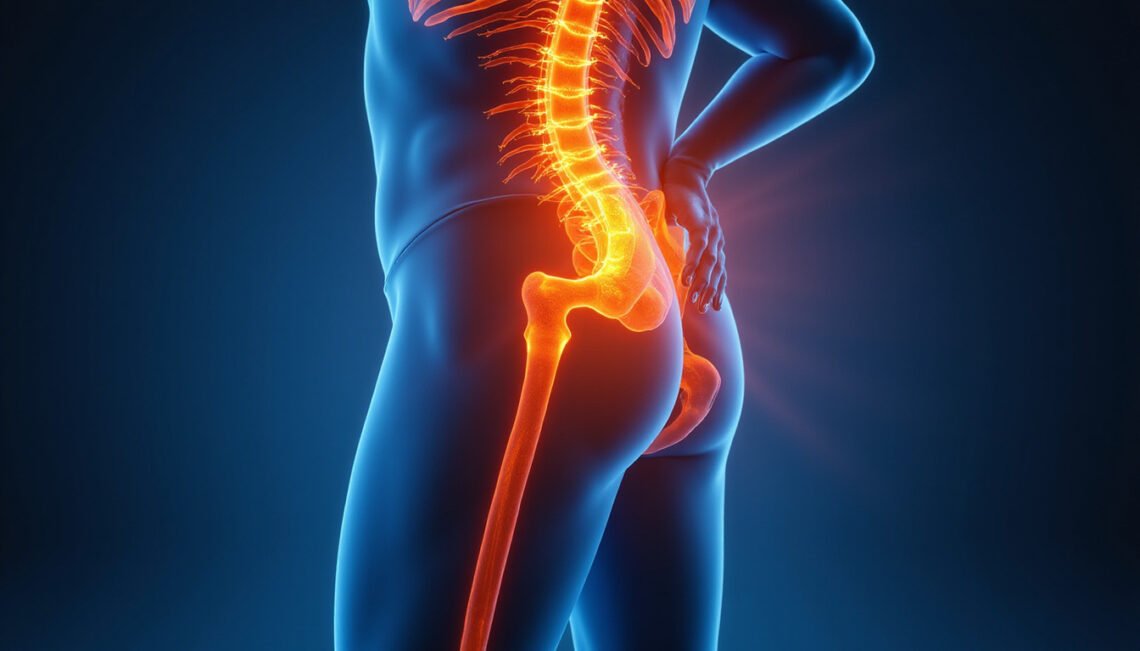
Sciatica refers to pain that follows the path of the sciatic nerve, the largest nerve in your body. This nerve starts in your lower back, runs through your buttocks, and travels down the back of each leg, all the way to your feet.
When people ask “what is sciatica,” medically speaking, it’s:
A set of symptoms (primarily pain, tingling, numbness, or weakness) caused by irritation, compression, or inflammation of the sciatic nerve or its roots in the lower spine.
Sciatica is not just “back pain.” It’s nerve pain that usually affects one side of the body and follows a very specific pathway from the low back down to the leg.
How Sciatica Happens: The Top Causes
Several underlying conditions can trigger sciatic nerve irritation. Knowing the cause helps you and your provider choose the right treatment.
1. Herniated or Bulging Disc
The most common cause of sciatica is a herniated disc in the lumbar spine.
- Your spine is made of bones (vertebrae) separated by soft discs that cushion movement.
- When a disc tears or bulges, its inner material can press on a nearby nerve root.
- If that nerve root is part of the sciatic nerve, sciatica pain can result.
This often happens from:
- Gradual wear-and-tear
- Lifting something heavy with poor form
- Sudden twisting movements
2. Degenerative Disc Disease and Bone Spurs
As we age, spinal discs dry out and shrink. This degenerative disc disease can lead to:
- Loss of disc height (reducing space for nerves)
- Bone spurs (small bony overgrowths)
These structural changes can narrow the openings where nerves exit the spine, pinching or irritating the roots of the sciatic nerve.
3. Spinal Stenosis
Spinal stenosis is a narrowing of the spinal canal or nerve passageways. In the lower back (lumbar spinal stenosis), this can:
- Compress multiple nerve roots
- Cause sciatica-like pain in both legs
- Worsen when standing or walking and improve when sitting or bending forward
This is more common in adults over 50. ### 4. Spondylolisthesis
Spondylolisthesis occurs when one vertebra slips forward over the one below it. This can:
- Distort normal alignment
- Narrow the nerve exit points
- Lead to sciatic nerve irritation and leg pain
Slippage can be due to stress fractures, arthritis, or congenital (from birth) issues.
5. Piriformis Syndrome and Muscle-Related Causes
The piriformis muscle is a small muscle in the buttock. In some people, the sciatic nerve passes underneath or even through it. If the piriformis muscle spasms or becomes tight:
- It can compress the sciatic nerve
- Cause sciatica-like pain, especially when sitting
Although less common than disc-related sciatica, piriformis syndrome is often seen in runners, people who sit all day, or those with muscle imbalances.
6. Other Less Common Causes
Less frequent causes of sciatica include:
- Tumors near the spine or pelvis
- Infections that affect the spine or discs
- Traumatic injuries (falls, car accidents)
- Pregnancy, due to posture and weight changes (usually temporary)
Recognizing Sciatica: Key Symptoms
The hallmark of sciatica is radiating leg pain. But the way it feels can vary from person to person.
Typical Sciatica Symptoms
You may be experiencing sciatica if you notice:
- Pain that starts in the lower back or buttock and travels down the leg
- Pain following the back or side of the thigh and calf, sometimes into the foot
- Pain usually on one side (right or left leg, rarely both)
- Shooting, burning, electric, or sharp pain
- Pain that worsens with:
- Sitting for long periods
- Coughing, sneezing, or straining
- Bending forward or twisting
Nerve-Related Sensations
Because sciatica is nerve pain, you may also feel:
- Tingling (“pins and needles”) down the leg
- Numbness in part of the leg or foot
- Muscle weakness—difficulty lifting the foot or standing on toes
The pattern of pain and numbness often matches the specific nerve root involved (for example, L4, L5, or S1 nerve root).
When Is Sciatica an Emergency?
Most sciatica improves with conservative care, but certain symptoms require urgent medical attention. Seek immediate help if you experience:
- Loss of bladder or bowel control
- Severe or rapidly worsening weakness in the leg or foot
- Numbness in the groin or inner thighs (saddle anesthesia)
- Sudden, severe sciatic pain after trauma (such as a fall or car accident)
These may indicate cauda equina syndrome or other serious conditions that can cause permanent nerve damage if not treated quickly (source: Mayo Clinic).
Fast Relief for Sciatica Pain
When you’re in intense pain, knowing “what is sciatica” isn’t enough—you want to know how to calm it down fast. While long-term correction may take time, these measures can often bring short-term relief.
1. Positions That Ease Pressure
Adjusting your position can immediately reduce pressure on the sciatic nerve:
- Try lying on your back with your knees bent and feet on the floor, or with a pillow under your knees.
- Or lie on your pain-free side with a pillow between your knees.
- Avoid sitting in soft, sagging couches and chairs for long periods.
Experiment to find a position where your pain lessens rather than worsens.
2. Cold and Heat Therapy
In the first 48–72 hours:
- Use a cold pack on the painful area for 10–20 minutes at a time, several times a day. This can reduce inflammation and numb the pain.
After the initial period:
- Switch to heat (warm pack, heating pad, or warm shower) for 15–20 minutes to relax muscles and improve blood flow.
Always protect your skin with a cloth barrier and avoid sleeping with a heating pad on.
3. Over-the-Counter Pain Relievers
Non-prescription medications, when appropriate for your health situation, can help:
- NSAIDs like ibuprofen or naproxen to reduce pain and inflammation
- Acetaminophen for pain relief (without anti-inflammatory effect)
Use as directed on the label and consult your doctor or pharmacist if you have kidney disease, stomach ulcers, heart issues, or take blood thinners.
4. Gentle Nerve-Friendly Movement
While bed rest may feel tempting, staying in bed too long can make sciatica worse. As soon as you can tolerate it:
- Take short, frequent walks (even around your home).
- Avoid heavy lifting and high-impact exercise, but keep gently moving.
- Focus on posture: stand tall, avoid slouching, and change positions often.
Movement helps reduce inflammation around the nerve and prevents stiff joints and weak muscles.

Long-Term Treatment Options for Sciatica
Once the worst pain is under control, addressing the root cause is essential to prevent future flare-ups.
Physical Therapy and Targeted Exercise
A physical therapist can:
- Identify muscle imbalances, tightness, and weak areas
- Teach you stretches to relieve nerve pressure
- Guide strengthening exercises for your core and hips to stabilize your spine
Common therapy goals include:
- Improving flexibility in hamstrings and hip flexors
- Strengthening deep core and glute muscles
- Correcting posture and movement patterns
Prescription Medications
If over-the-counter options don’t help enough, a doctor may prescribe:
- Stronger anti-inflammatory medications
- Short-term muscle relaxants
- Nerve-pain medications (like certain antidepressants or anticonvulsants)
These aim to calm irritated nerves and reduce muscle spasms, used alongside physical therapy and lifestyle changes.
Injections
For persistent or severe sciatica, epidural steroid injections around the irritated nerve root can:
- Reduce inflammation
- Provide temporary (weeks to months) relief
- Help you participate more effectively in rehab exercises
They are typically done under imaging guidance and may be repeated a limited number of times per year.
Surgery
A small percentage of people with sciatica may need surgery, especially if:
- Pain is severe and doesn’t respond to conservative treatment
- There is significant or worsening weakness
- There are red-flag symptoms like bladder or bowel changes
Common procedures include:
- Microdiscectomy – removing part of a herniated disc pressing on the nerve
- Laminectomy – removing part of bone or tissue to create more space for the nerve
Surgery aims to relieve nerve compression, often with relatively quick improvement in leg pain when carefully selected.
Everyday Habits to Prevent Sciatica Flare-Ups
Even after you learn what sciatica is and get it under control, your daily habits matter for keeping it away.
Here are practical changes that can help:
-
Maintain good posture
- Keep ears over shoulders and shoulders over hips.
- Use a chair with lumbar support or a small pillow behind your lower back.
-
Lift with your legs, not your back
- Bend at your hips and knees.
- Keep objects close to your body and avoid twisting while lifting.
-
Move regularly
- Stand up and stretch at least once an hour if you sit for work.
- Add walking or low-impact exercise (like swimming or cycling) to your routine.
-
Strengthen your core and hips
- Planks, bridges, and gentle yoga or Pilates can support your spine.
-
Maintain a healthy weight
- Excess weight increases load on your lower back and discs.
Sample Daily Routine for Sciatica-Friendly Living
To put it all together, here’s a simple daily checklist:
-
Morning (5–10 minutes)
- Gentle hamstring and hip flexor stretches
- Short walk to loosen up your back
-
During Work
- Adjust chair and screen height to avoid slouching
- Stand or walk for 2–5 minutes every hour
-
Evening (10–15 minutes)
- Core-strengthening exercises (as directed by a therapist)
- Light stretching for hips, glutes, and lower back
-
Before Bed
- Choose a sleep position that eases pain (on back with knee support or on side with pillow between knees)
Consistency over time is more powerful than any single exercise session.
FAQ: Common Questions About Sciatica
1. What is sciatica pain exactly?
Sciatica pain is nerve pain that begins in the lower back or buttock and travels down the path of the sciatic nerve into the leg. It may feel sharp, burning, electric, or like a deep ache, often accompanied by tingling or numbness in part of the leg or foot.
2. What are typical sciatica symptoms in the leg?
Common sciatica leg symptoms include:
- Pain down the back or side of the thigh and calf
- Numbness or tingling in the leg, ankle, or foot
- Weakness in lifting the foot (foot drop) or standing on toes
- Pain that worsens with sitting, coughing, or bending forward
Symptoms usually affect just one leg.
3. How long does sciatica last and when should I see a doctor?
Many people notice improvement in acute sciatica within 4–6 weeks with self-care, gentle movement, and possibly physical therapy. See a doctor sooner if:
- Pain is severe or steadily getting worse
- You have significant leg weakness or numbness
- Pain has not improved at all after a couple of weeks
- You have bladder or bowel changes or numbness in the groin (seek emergency care)
Take Control of Your Sciatica and Get Lasting Relief
Now that you understand what is sciatica, what causes it, and how it shows up in your body, you can move from just reacting to the pain to actively managing and preventing it. Start today with one small step: adjust your sitting posture, add a short walk, or schedule an appointment with a healthcare professional or physical therapist.
If persistent back or leg pain is limiting your work, sleep, or favorite activities, don’t wait for it to “just go away.” Reach out to a qualified provider, get a proper diagnosis, and build a personalized plan for relief. The sooner you act, the better your chances of reducing pain, protecting your nerves, and getting back to the life you love.