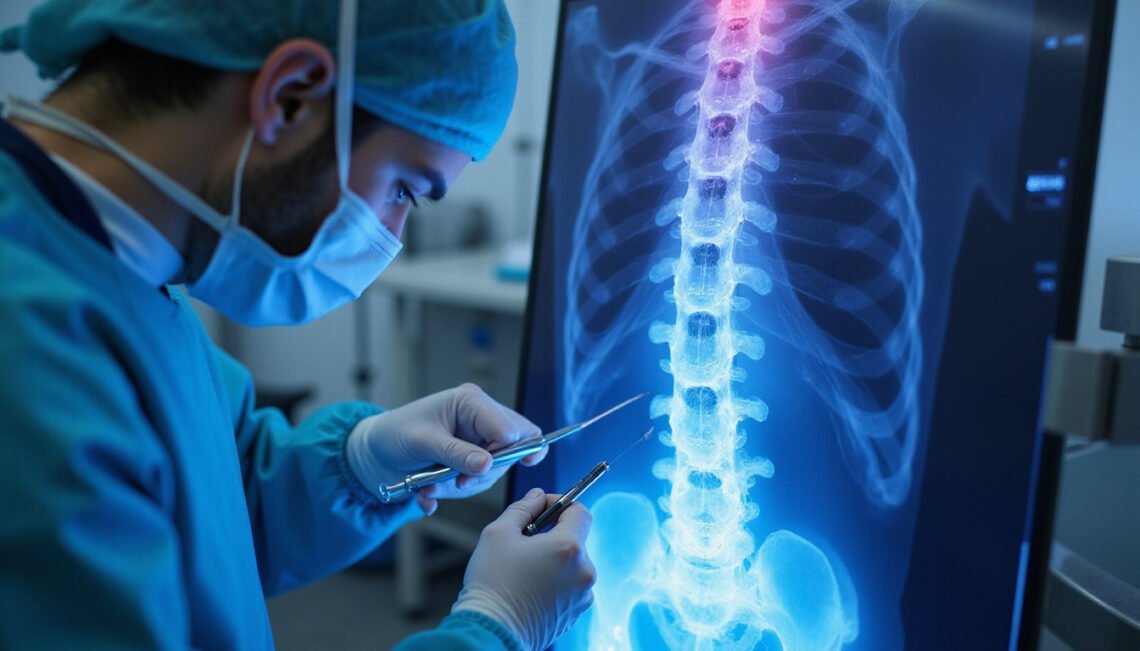
Spinal Endoscopy Revolutionizes Minimally Invasive Back Pain Treatment
Spinal endoscopy is rapidly changing how doctors diagnose and treat back pain, offering a minimally invasive alternative to traditional open spine surgery. For many patients who have tried medications, physical therapy, and injections without lasting relief, this advanced technique can target the true source of pain through tiny incisions, often with faster recovery and less risk.
In this article, you’ll learn what spinal endoscopy is, how it works, who it can help, and what to expect before and after the procedure.
What Is Spinal Endoscopy?
Spinal endoscopy (often called endoscopic spine surgery) is a minimally invasive procedure that uses a thin tube with a camera and light—an endoscope—to access the spine through a very small incision. Specialized instruments are passed through the endoscope so the surgeon can:
- Visualize nerves, discs, joints, and other spinal structures
- Remove herniated disc fragments
- Shave bone spurs
- Release pinched nerves
- Treat inflamed tissue
Because the surgeon sees the spine on a high-definition monitor in real time, they can operate with exceptional precision through incisions as small as 5–10 mm.
How Spinal Endoscopy Differs from Traditional Spine Surgery
Traditional open spine surgery typically requires a larger incision, more muscle dissection, and greater disruption of surrounding tissues. While it’s still appropriate in some complex cases, it frequently involves:
- Longer hospital stays
- Higher blood loss
- More postoperative pain
- Longer rehabilitation and time off work
Spinal endoscopy, by contrast, is designed to minimize collateral damage:
- Tiny incisions instead of long cuts
- Minimal muscle cutting by separating muscles along natural planes
- Less blood loss and scarring due to the reduced surgical field
- Targeted treatment focused only on the area causing symptoms
From the patient’s standpoint, these technical advantages often translate into quicker recovery, less pain medication, and a faster return to daily activities.
Conditions That Can Be Treated with Spinal Endoscopy
Not every spine problem is appropriate for an endoscopic approach, but many common causes of back and leg pain can be treated this way. Indications may include:
-
Lumbar disc herniation
Ruptured or bulging discs pressing on nerve roots causing sciatica, leg pain, or numbness. -
Cervical or thoracic disc herniation
Disc problems in the neck or mid-back leading to arm or chest-wall pain, weakness, or balance issues. -
Spinal stenosis (narrowing of the spinal canal)
Overgrowth of bone and ligaments compressing nerves, causing pain, heaviness, or cramping in the legs when walking. -
Foraminal stenosis
Narrowing of the nerve exit holes (foramina), often causing one-sided arm or leg symptoms. -
Facet joint pain and cysts
Arthritic joints in the spine can cause localized back or neck pain; cysts can press on nearby nerves. -
Failed back surgery syndrome
Persistent or recurrent pain after previous spine surgery, where scar tissue or residual disc fragments may be the culprit.
Your spine surgeon will evaluate your MRI/CT scans, neurological exam, and overall health to determine whether a spinal endoscopy approach is appropriate or whether a different technique is safer and more effective.
The Technology Behind Modern Spinal Endoscopy
Recent advances in optics, imaging, and instruments are what truly make spinal endoscopy revolutionary:
-
High-definition endoscopes
Provide crisp, magnified views of spinal nerves, discs, and blood vessels, enabling precise work in tight spaces. -
Continuous irrigation
Saline flows through the endoscope, clearing blood and debris so the surgical field stays clean and visible. -
Micro-instruments
Specialized tools—graspers, shavers, drills, lasers, and radiofrequency probes—fit through tiny channels in the endoscope to remove disc material or bone spurs. -
Real-time X-ray guidance (fluoroscopy)
Ensures the instruments are correctly positioned around delicate nerve structures and the spinal cord. -
Endoscopic navigation and monitoring
In some centers, advanced navigation systems and neuromonitoring further improve safety and accuracy.
Together, these technologies allow surgeons to treat spinal pathology through very small portals that were simply not possible a generation ago.
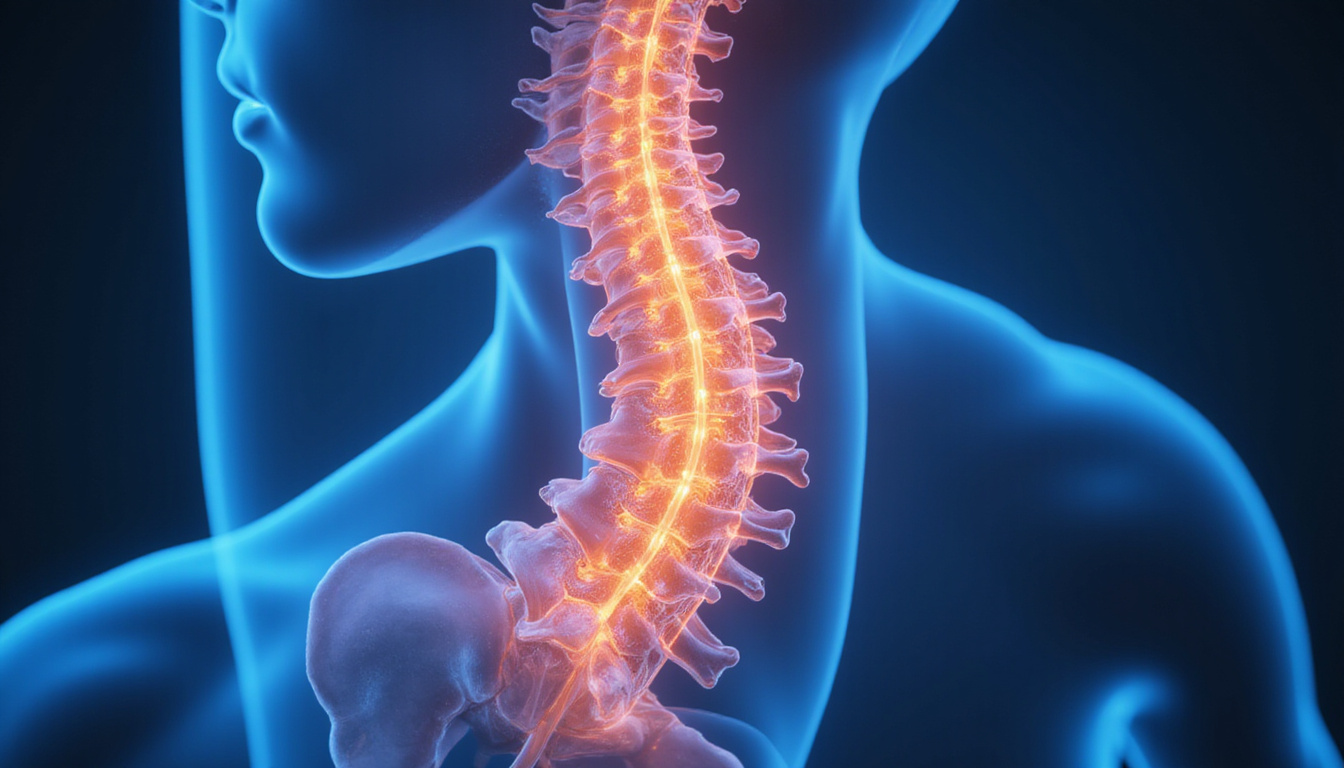
How Spinal Endoscopy Is Performed: Step-by-Step
The exact technique varies slightly depending on the level of the spine and the problem being treated, but many spinal endoscopy procedures follow a similar flow:
-
Preoperative planning
Your surgeon reviews imaging and plans the safest route to the target—often from the side of the spine (transforaminal) or through an interlaminar space between the back bones. -
Anesthesia
Many procedures are done under general anesthesia; some centers may use conscious sedation for certain lumbar cases, depending on technique and patient factors. -
Small incision and approach
A tiny skin incision is made. A guide needle and then a series of tubular dilators are inserted to gently separate, not cut, the muscle. A working cannula (hollow tube) is placed to create a doorway to the spine. -
Endoscope insertion
The endoscope is inserted through the cannula. The surgeon sees the spine on a high-definition monitor and can maneuver the scope and instruments with fine control. -
Targeted treatment
- Disc fragments are removed
- Bone spurs are shaved
- Thickened ligaments or cysts are trimmed
- Nerves are carefully decompressed and freed from pressure
-
Verification
The surgeon inspects the decompressed nerve and surrounding structures to ensure adequate relief of compression. -
Closure
The instruments and endoscope are removed, and the small incision is closed with a few sutures or surgical tape, often leaving only a tiny scar.
Most procedures take 30–90 minutes, depending on complexity.
Benefits of Endoscopic Spine Surgery for Patients
Research and clinical experience increasingly support the benefits of spinal endoscopy compared with more invasive options, especially for suitable cases (source: North American Spine Society).
Key potential advantages include:
-
Smaller Incisions
Less tissue trauma, smaller scars, and reduced infection risk. -
Less Postoperative Pain
Many patients require fewer narcotics and report faster pain reduction thanks to muscle-sparing techniques. -
Shorter Hospital Stays
Many endoscopic spine procedures are done on an outpatient basis, allowing patients to go home the same day. -
Faster Recovery
Quicker return to daily activities, work, and exercise compared with traditional open surgery in many cases. -
Lower Blood Loss
Tiny working channels and real-time visualization help minimize bleeding. -
Focused Treatment
Direct visualization helps ensure only the problematic tissue is removed, preserving normal anatomy.
It’s important to remember that outcomes vary depending on the cause and severity of your condition, your overall health, and your commitment to recovery recommendations.
Risks and Limitations of Spinal Endoscopy
Although spinal endoscopy is minimally invasive, it is still surgery and carries risks:
- Infection
- Bleeding or hematoma
- Dural tear (leak of spinal fluid)
- Temporary or, rarely, lasting nerve irritation or damage
- Incomplete decompression requiring revision surgery
- Recurrence of disc herniation or symptoms over time
- Anesthesia-related complications
Endoscopic techniques also have limitations. They may not be appropriate if you have:
- Severe spinal instability requiring fusion
- Significant deformity (e.g., large scoliosis)
- Multiple-level stenosis in complex patterns
- Certain tumors or infections
For these scenarios, more traditional open or other minimally invasive fusion techniques may be recommended. The key is individualization: the “least invasive” procedure that still reliably corrects your specific problem.
Who Is a Good Candidate for Spinal Endoscopy?
You may be a candidate for spinal endoscopy if:
- You have clear imaging findings that match your symptoms (e.g., a lumbar disc herniation causing leg pain along a specific nerve).
- You’ve tried conservative treatments—physical therapy, medications, injections—for several weeks or months without adequate relief.
- Pain or weakness is significantly limiting your daily life, work, or sleep.
- Your problem is localized to one or two levels and can be accessed endoscopically.
- You are healthy enough to undergo anesthesia and follow recovery instructions.
A comprehensive evaluation by an experienced spine specialist is essential. They’ll review your history, examine you, and walk you through all options—not just surgery—so you can make an informed decision.
What to Expect Before, During, and After the Procedure
Before Spinal Endoscopy
-
Consultations and imaging
You’ll likely have up-to-date MRI or CT scans and possibly X-rays. Your surgeon will explain the procedure, risks, and expected outcomes. -
Medication adjustments
You may need to pause blood thinners or certain medications with your doctor’s guidance. -
Preoperative instructions
Instructions may include fasting after midnight, showering with special soap, and arranging a ride home.
Day of the Procedure
- You’ll check in, review consent forms, and meet your care team.
- An IV will be started for medications and fluids.
- After anesthesia, the procedure is performed as described above.
- Once awake, you’ll be monitored in a recovery area.
Many patients are able to stand and walk with assistance a few hours after surgery, depending on the specific operation and their baseline condition.
Recovery and Rehabilitation
Recovery from spinal endoscopy is usually quicker than from larger open surgeries, but it still requires care:
-
Pain control
Mild-to-moderate soreness around the incision and deep muscle areas is expected. This is typically managed with a combination of non-opioid and, if needed, short-term opioid medications. -
Activity guidelines
- Walking is usually encouraged soon after surgery.
- Bending, twisting, and heavy lifting are often limited for several weeks.
- Desk work may resume in days to a couple of weeks, while heavy labor may require longer.
-
Physical therapy
Your surgeon may prescribe targeted exercises to rebuild core strength, improve flexibility, and reduce recurrence risk. -
Follow-up visits
Scheduled visits allow your surgeon to monitor healing, address concerns, and gradually clear you for more activity.
Recovery timelines vary, but many patients notice a significant reduction in leg or arm pain quickly after surgery, with back pain improving more gradually as tissues heal.
How to Choose a Surgeon for Spinal Endoscopy
The skill and experience of your surgeon play a major role in outcomes. When considering spinal endoscopy, ask:
- How many endoscopic spine procedures have you performed?
- What percentage of your spine surgeries are endoscopic?
- What are your typical outcomes and complication rates?
- Am I a good candidate, or would you recommend another technique?
- What are realistic expectations for my recovery?
Look for a fellowship-trained spine surgeon (orthopedic spine surgeon or neurosurgeon) with specific training and a strong track record in endoscopic techniques. Don’t hesitate to seek a second opinion, especially for complex cases.
FAQ: Common Questions About Spinal Endoscopy
Q1: How long does endoscopic back surgery take, and is it really “laser spine surgery”?
Endoscopic back surgery often takes 30–90 minutes, depending on the problem and number of levels treated. While some techniques may use laser energy as one of several tools, “laser spine surgery” is mostly a marketing term. The real innovation is spinal endoscopy itself—the camera and minimally invasive access—not the laser.
Q2: Is an endoscopic discectomy as effective as traditional microdiscectomy?
For properly selected patients with lumbar disc herniation, studies show that endoscopic discectomy can provide pain relief and functional improvement comparable to traditional microdiscectomy, with the added benefits of smaller incisions and potentially faster recovery. However, outcomes depend heavily on surgeon experience and appropriate patient selection.
Q3: How much downtime should I expect after endoscopic spine surgery?
Many patients return to light activities and desk work within 1–2 weeks after spinal endoscopy. Full recovery and return to heavy labor or intense sports may take 6–12 weeks. Your specific downtime will depend on your job demands, the extent of your surgery, and how faithfully you follow postoperative guidelines.
Take the Next Step Toward Lasting Relief
If chronic back or neck pain, sciatica, or nerve symptoms are limiting your life and conservative treatments haven’t delivered lasting relief, spinal endoscopy may offer a path forward with less disruption and faster recovery than you thought possible. The most important step is a thorough evaluation by a spine specialist who can honestly explain whether you’re a candidate and outline all your options.
Don’t wait for pain to dictate your choices or erode your quality of life. Schedule a consultation with a board-certified spine surgeon experienced in endoscopic techniques, bring your questions, and explore whether this minimally invasive breakthrough is the right solution for you.