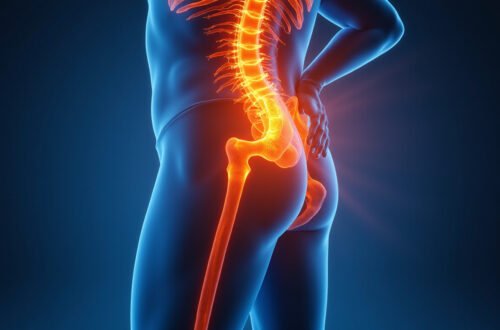
If you struggle with stubborn low back pain that doesn’t quite feel like a spine problem, your quadratus lumborum (QL) might be the hidden culprit. This deep muscle sits on both sides of your lower back and quietly works all day to keep you upright, stabilize your spine, and help you bend and twist. When it gets overworked or tight, it can trigger aching, sharp, or even referral pain that mimics disc or joint issues.
The good news: you can often calm QL-related pain with simple, targeted exercises done consistently at home. This guide explains what the quadratus lumborum does, common symptoms when it’s irritated, and a step-by-step routine to reduce tension, restore mobility, and prevent flare-ups.
What Is the Quadratus Lumborum and Why Does It Hurt?
The quadratus lumborum is a deep back muscle that connects your pelvis (iliac crest) to your lower ribs and spine (lumbar vertebrae). You have one on each side.
Main jobs of the QL muscle
- Side-bends your trunk (lateral flexion)
- Hikes your hip when you walk or climb stairs
- Stabilizes the spine during lifting, sitting, and standing
- Works with your core to support good posture
Because it does so much stabilizing behind the scenes, the QL is easy to overload without realizing it.
Common causes of QL pain
- Prolonged sitting or poor posture (slumped at a desk, driving long hours)
- Uneven loading (carrying kids on one hip, one-shoulder bags)
- Weak core or glutes, forcing the QL to “do it all”
- Sudden overload (heavy lifting, yardwork, moving furniture)
- Leg length differences or pelvic imbalances
- Previous back injuries that altered how you move
When irritated, the quadratus lumborum can become tight, knotted, and tender, often sending pain into the low back, hip, or buttock.
How to Recognize Quadratus Lumborum Pain
Many people with QL issues think they have a “bad spine” when the actual problem is muscular.
Typical QL pain patterns
You may notice:
- Aching or sharp pain on one side of your lower back, near the waist
- Discomfort that worsens with standing, walking, or bending to the side
- Pain that can refer into the upper hip, side of the buttock, or front of the hip
- Stiffness when trying to straighten up after sitting
- Tenderness if you press just above the top of your hip bone at your low back
Red flags like severe trauma, numbness, weakness, or bowel/bladder changes require medical attention immediately. But for many people, once serious spine issues are ruled out, addressing the QL muscle directly can greatly reduce chronic low back pain (source: Harvard Health).
Before You Start: Safety Tips for QL Exercises
- Get cleared first if you have a history of disc herniation, fractures, recent surgery, unexplained weight loss, or nerve symptoms (numbness, tingling, weakness).
- Expect mild stretching or muscular discomfort, but never sharp, shooting, or worsening pain.
- Move slowly and breathe; holding your breath increases tension.
- Consistency beats intensity: gentle daily or near-daily work is more effective than rare, aggressive sessions.
If any exercise makes your pain significantly worse or lingers beyond 24 hours, stop and consult a healthcare professional.
Step 1: Gentle Quadratus Lumborum Stretches
These stretches help lengthen a tight QL and immediately decrease tension in the lower back.
1. Child’s Pose Side Stretch
- Start on hands and knees; then sit your hips back toward your heels with arms reaching forward.
- Walk both hands about 6–12 inches to the right, keeping your hips centered.
- You should feel a stretch along the left side of your low back and ribcage.
- Breathe deeply into your left side for 5–8 slow breaths.
- Return to center, then walk your hands to the left to stretch the right QL.
Do 2–3 rounds each side, once or twice per day.
2. Supported Standing Side Bend
- Stand tall with feet hip-width apart beside a wall or sturdy support (for balance).
- Place your right hand on your hip; raise your left arm overhead.
- Gently lean to the right, reaching your left arm up and over until you feel a stretch along your left waist and low back.
- Keep your chest facing forward; don’t twist.
- Hold 20–30 seconds, breathing steadily. Switch sides.
Repeat 2–3 times per side. Keep the movement small and controlled; no forcing.
3. Seated Cross-Arm QL Stretch
- Sit on a chair with both feet flat on the floor.
- Cross your right ankle over your left if comfortable, or keep feet side by side.
- Hug your right arm across your body, holding it with your left hand.
- Gently side-bend your trunk to the left, as if sliding your left hand down the outside of your left leg.
- You should feel a stretch on the right side of your low back.
- Hold 20–30 seconds, then switch to the opposite side.
Great as a mid-day desk stretch.
Step 2: Release Tension with a Quadratus Lumborum Self-Massage
Self-massage can help reduce trigger points and muscle guarding in the QL.
4. Tennis Ball QL Release (Wall Version)
- Stand with your back to a wall.
- Place a tennis ball or lacrosse ball between your body and the wall, just above the top of your right hip bone, 1–2 inches from the spine.
- Gently lean into the ball until you feel pressure (not sharp pain).
- Slowly bend and straighten your knees or make small side-to-side movements to “scan” the area.
- When you find a tender spot, hold pressure for 20–30 seconds while breathing deeply.
- Move the ball slightly to explore 2–3 areas, then switch sides.
Limit to about 2–3 minutes per side. Mild soreness afterward is okay; sharp or radiating pain is not.
Step 3: Strengthening Exercises to Support the QL
Once you’ve loosened a tight quadratus lumborum, you need to strengthen the supporting core and hip muscles so the QL doesn’t get overloaded again.
5. Side-Lying Hip Hike (QL Activation)
- Lie on your right side near the edge of a firm bed, legs straight, with your feet hanging slightly off the edge.
- Keep your top (left) leg stacked over the bottom leg.
- Gently hike your left hip up toward your ribcage, shortening the left side of your waist slightly.
- Hold 2–3 seconds, then slowly lower back down.
- Keep the movement small and controlled; don’t twist or use momentum.
Perform 2 sets of 10–12 reps per side, 3–4 times per week. Stop if you feel sharp pain in your back.
6. Side Plank (Modified or Full)
Side planks strengthen the lateral core muscles, including the quadratus lumborum, in a functional way.
Modified (knees bent):
- Lie on your right side, knees bent at 90 degrees, elbow under shoulder.
- Engage your core and lift your hips until your shoulder, hip, and knee form a straight line.
- Hold 10–20 seconds while breathing, then slowly lower.
- Repeat 2–3 times per side.
Full (legs straight):
- Start lying on your side with legs straight and stacked, elbow under shoulder.
- Lift hips so your body forms a straight line from ankle to head.
- Hold 10–20 seconds, breathing steadily.
Aim to build up to 30 seconds per side over time.

7. Bird Dog (Core Stability)
- Start on hands and knees, wrists under shoulders, knees under hips.
- Gently brace your core (as if preparing for a light punch).
- Slowly extend your right leg straight back while reaching your left arm forward.
- Keep hips level; don’t let your lower back sag or arch.
- Hold 3–5 seconds, then return to start.
- Switch to the opposite arm and leg.
Perform 2–3 sets of 8–10 slow reps per side. This exercise teaches your quadratus lumborum to stabilize instead of over-gripping.
Step 4: Daily Habits That Protect the Quadratus Lumborum
Exercises work best when your everyday habits support them. The quadratus lumborum responds strongly to how you sit, stand, and move throughout the day.
Helpful habits to reduce QL strain
-
Adjust your workstation
- Screen at eye level
- Feet flat on the floor
- Hips and knees at roughly 90 degrees
- Use a small lumbar support or towel roll
-
Break up sitting
- Stand or walk for 2–3 minutes every 30–45 minutes
- Do 1–2 quick side stretches during each break
-
Alternate sides when carrying loads
- Switch the shoulder/hand you use for bags, kids, or groceries
- Use a backpack instead of a single-strap bag when possible
-
Strengthen hips and glutes
- Add basic hip hinges, bridges, or squats a few times per week
- Strong legs mean less “emergency work” for your quadratus lumborum
-
Sleep posture check
- Side sleepers: place a pillow between knees to align the spine
- Back sleepers: a small pillow under knees can ease low back stress
Small changes here accumulate and dramatically reduce stress on the QL over time.
Putting It Together: A Simple Daily QL Routine
Here’s how you might organize these moves into a short daily plan.
-
Morning (5–7 minutes)
- Child’s Pose Side Stretch – 2x each side
- Supported Standing Side Bend – 2x 20 seconds each side
-
Midday (5–10 minutes)
- Seated Cross-Arm QL Stretch – 2x each side
- Bird Dog – 2 sets of 8 reps per side
-
Evening (8–10 minutes)
- Tennis Ball QL Release – 2–3 minutes per side
- Side Plank (modified or full) – 2–3 holds per side
- Side-Lying Hip Hike – 2 sets of 10–12 reps per side
Adjust frequency and volume based on how you feel; less is more at first. As your pain decreases and strength improves, you can lengthen holds and increase reps slowly.
FAQ: quadratus lumborum Pain and Relief
1. How do I know if my low back pain is from the quadratus lumborum?
QL pain often feels like a deep ache on one side of the low back near the waist, sometimes referring into the hip or buttock. It usually worsens with standing, walking, or side-bending, and you may find specific tender spots above your hip bone. A clinician can help differentiate QL pain from disc or joint issues.
2. Are quadratus lumborum stretches enough to fix my back pain?
Stretching the quadratus lumborum can bring quick relief, but long-term improvement usually requires strengthening your core and hips, improving posture, and changing daily habits. Treating QL pain as just a “tight muscle” without addressing why it’s overloaded often leads to recurring flare-ups.
3. Can I exercise with quadratus lumborum strain?
In many cases, gentle movement and low-load exercises actually help a QL strain heal by improving blood flow and restoring normal muscle function. Focus on pain-free, controlled motions like the stretches and stability exercises above. If pain is sharp, worsening, or accompanied by leg weakness or numbness, seek professional guidance before continuing.
Chronic low back pain can feel endless, but when the quadratus lumborum is part of the problem, it’s also a powerful part of the solution. By combining targeted stretching, self-massage, smart strengthening, and simple daily habit changes, you can reduce strain on this key stabilizing muscle and restore comfort and confidence in your back.
Start with just one or two of the exercises today and build from there. If you’d like a tailored plan or help refining your technique, consider working with a physical therapist or qualified movement professional who understands quadratus lumborum mechanics. Take action now—your future self with a calmer, stronger low back will thank you.