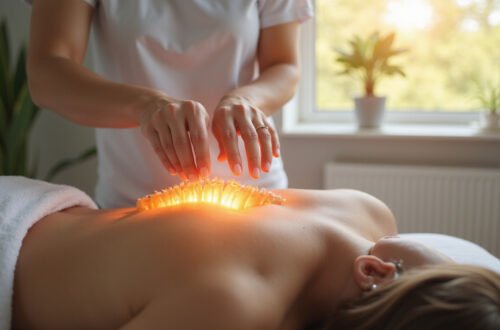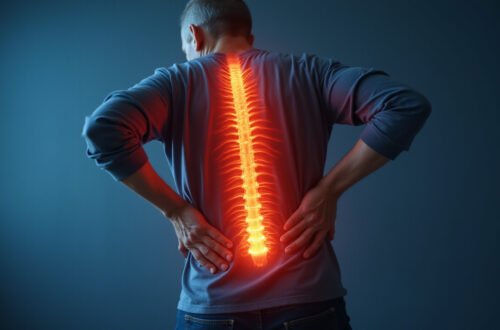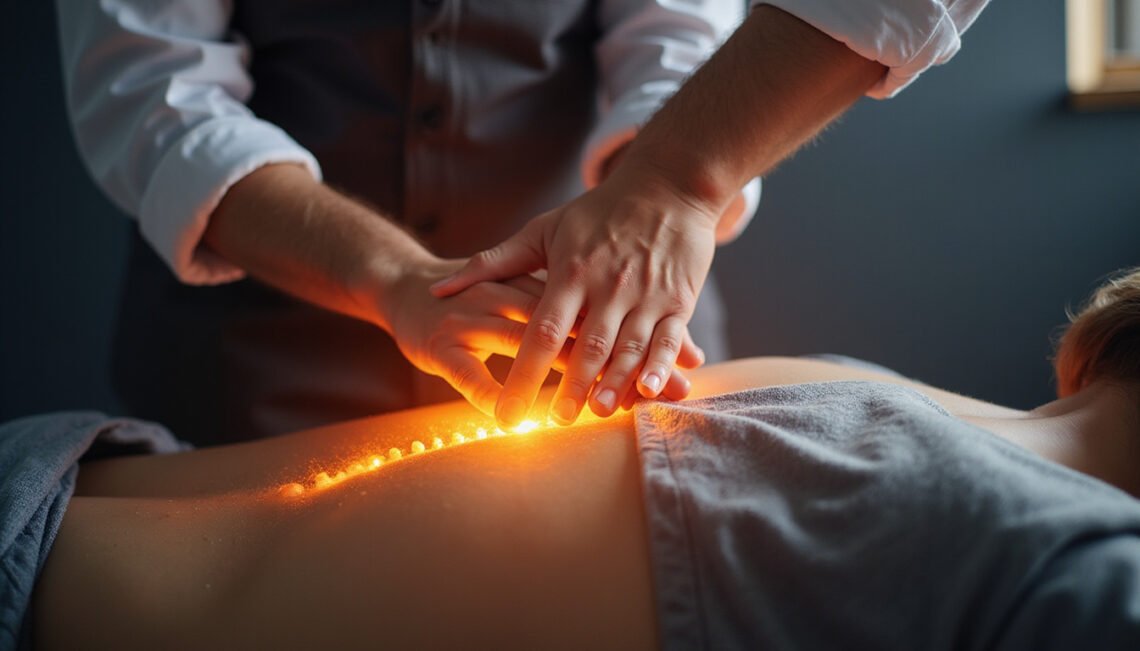
If you’ve been stuck in a cycle of nagging back pain, tight neck muscles, or aching joints that just won’t quit, manual therapy may be the missing piece of your recovery puzzle. While many people jump straight to painkillers, injections, or even surgery, hands-on treatment techniques can often relieve pain faster and more effectively—by addressing the root causes, not just the symptoms.
This guide breaks down how manual therapy works, why it helps chronic pain, and which strategies can accelerate your results.
What is manual therapy, really?
Manual therapy is a hands-on treatment approach used by physical therapists, chiropractors, osteopaths, massage therapists, and some physicians to:
- Decrease pain
- Improve joint mobility
- Reduce muscle tension
- Restore normal movement patterns
Instead of relying on machines or medications, the practitioner uses their hands to mobilize joints, release tight muscles and fascia, and influence the nervous system.
Common manual therapy techniques include:
- Joint mobilization and manipulation
- Soft tissue mobilization and massage
- Myofascial release
- Trigger point therapy
- Muscle energy techniques
- Passive stretching and neural gliding
The goal: create quick changes in pain and mobility so you can move better, retrain your body, and break the chronic pain cycle for good.
How manual therapy reduces chronic pain
Chronic pain is rarely just a “tissue problem.” It usually involves:
- Stiff or restricted joints
- Tight, overworked muscles
- Trigger points that refer pain elsewhere
- Sensitized nerves and nervous system
- Movement compensations and poor biomechanics
Manual therapy targets all of these layers at once.
1. Restoring joint mobility
Stiff joints change how you move. When one area stops moving well, other areas are forced to do more, leading to overload and pain. Gentle joint mobilizations and, in some cases, high-velocity adjustments can:
- Improve range of motion
- Decrease joint stiffness
- Reduce pressure on surrounding soft tissues
For example, limited hip mobility often contributes to chronic low back pain. Improving hip motion with manual therapy often eases stress on the lumbar spine.
2. Releasing tight muscles and fascia
Muscles and fascia can become shortened, knotted, or stuck together after:
- Injuries
- Poor posture
- Repetitive work
- Prolonged sitting
Soft tissue techniques—like myofascial release, deep tissue massage, and trigger point therapy—help:
- Break up adhesions
- Improve circulation
- Decrease muscle tone and spasm
- Normalize tissue glide
As tissues move more freely, pain and restriction often decrease quickly.
3. Calming an overprotective nervous system
Chronic pain often reflects a sensitized nervous system, not just “damage.” The brain begins to interpret normal signals as threatening, keeping muscles guarded and pain switched on.
Gentle, well-applied manual therapy can:
- Provide non-threatening sensory input
- Reduce fear and guarding
- Help “retrain” the nervous system
- Improve your sense of body awareness
This is one reason some people feel immediate relief and even deep relaxation after a manual therapy session.
Proven manual therapy strategies that work fast
The fastest pain relief typically comes from combining several approaches, chosen based on your specific problem. Here are powerful strategies practitioners use—and how you can maximize their effects.
1. Joint mobilization: freeing up stuck segments
Joint mobilizations are graded, controlled oscillations or sustained holds applied to a joint. They can be very gentle or more forceful, depending on the goal.
They help:
- Reduce pain (low-grade mobilizations)
- Restore motion (higher-grade mobilizations)
- Improve joint nutrition and lubrication
Common uses:
- Stiff neck or upper back
- Limited shoulder or hip motion
- Post-injury or post-surgical stiffness
For chronic pain, even small gains in joint mobility can quickly reduce stress on irritated areas.
2. Soft tissue and myofascial release: untying the knots
Manual therapy for muscles and fascia can involve:
- Long, slow pressure into tight areas
- Cross-fiber friction to break adhesions
- Compression and release of trigger points
These techniques:
- Decrease muscle guarding
- Improve local blood flow
- Reduce referred pain patterns (e.g., trigger points in the glutes referring pain down the leg)
When combined with movement or stretching immediately afterward, results often last longer.
3. Muscle energy techniques (MET): using your own strength
With MET, your therapist positions your body, has you gently contract a muscle against resistance, then relaxes and takes up the slack.
Benefits:
- Improves joint alignment and range
- Reduces muscle tightness without aggressive stretching
- Engages your nervous system in a controlled way
MET is especially helpful for the pelvis, low back, and neck, where small alignment changes can create big symptom changes.
4. Neural mobilization: freeing sensitive nerves
Sometimes “tightness” is really nerve irritation, particularly in conditions like sciatica, carpal tunnel, or chronic hamstring “tightness.”
Nerve gliding and tensioning techniques:
- Help nerves slide and move freely through surrounding tissues
- Reduce nerve-related pain, tingling, or burning
- Improve tolerance to movement
These techniques must be applied carefully and never forced, but they can significantly reduce symptoms when nerve involvement is present.
Making manual therapy work faster: your role matters
The best manual therapy in the world won’t solve chronic pain if you don’t support it with the right habits and exercises. You can dramatically speed up your progress by pairing hands-on treatment with smart self-care.
1. Move gently right after sessions
After treatment, your tissues and nervous system are more receptive to change. Use that window:
- Perform the specific exercises or stretches your provider recommends
- Walk for 10–20 minutes to integrate new movement patterns
- Avoid collapsing onto the couch for hours
Motion helps “lock in” the gains from your session.
2. Fix the daily habits that keep you in pain
Manual therapy can reset the system—but your daily life either supports or sabotages that reset. Common culprits:
- Prolonged sitting without breaks
- Poor desk ergonomics
- One-sided activities (carrying child or bag on one side, crossing the same leg)
- Sleep positions that stress your neck or low back
Small changes—like moving every 30–45 minutes, adjusting monitor height, or using a pillow that keeps your neck neutral—can make manual therapy effects last much longer.
3. Strengthen what manual therapy frees up
Manual therapy often gives you more range of motion and less pain. Strength and control are what keep it that way.

Key principles:
- Strengthen the areas that were previously painful, starting in pain-free ranges
- Focus on postural and stabilizing muscles (core, glutes, mid-back, deep neck flexors)
- Progress gradually to functional movements (squats, hinges, rows, carries)
Research consistently shows that combining manual therapy with exercise is more effective than either alone for many chronic pain conditions (source: Journal of Orthopaedic & Sports Physical Therapy).
When manual therapy is especially helpful
While nearly anyone with musculoskeletal pain can benefit, manual therapy shines in certain scenarios.
-
Chronic neck and back pain
- Reduces joint and muscle stiffness
- Helps reset poor movement patterns created by years of guarding
-
Headaches and migraines with neck involvement
- Targets tight upper neck joints and suboccipital muscles
- Can reduce frequency and intensity of headaches
-
Shoulder impingement and frozen shoulder
- Improves joint capsule mobility
- Releases tight rotator cuff and surrounding muscles
-
Hip and knee pain (including early arthritis)
- Improves joint mechanics
- Reduces compensations in the low back and opposite leg
-
Post-injury stiffness (sprains, strains, post-fracture)
- Restores motion after immobilization
- Prevents long-term loss of function
-
Sports injuries and overuse problems
- Addresses both local tissue irritation and global movement dysfunction
What to expect in a manual therapy session
A good practitioner does much more than “crack” or “massage” the painful area. A typical, evidence-based manual therapy visit should include:
-
Detailed history:
- Onset, pattern, and triggers of your pain
- Work, lifestyle, sleep, and exercise habits
-
Physical assessment:
- Posture and movement analysis
- Joint mobility testing
- Muscle length and strength testing
- Neurological screens when needed
-
Hands-on treatment targeting:
- The painful area and contributing regions (for example, treating hips during low back pain sessions)
-
Education and plan:
- Explanation of what’s driving your pain
- Home exercises and self-release strategies
- Clear expectations on frequency and duration of care
If your session consists only of passive treatment with no assessment, exercise, or education, you’re not getting the full benefit of what manual therapy can offer.
A simple self-care routine to amplify results
Always follow your provider’s guidance, but this general structure works well for many people:
-
Daily mobility (5–10 minutes)
- Gentle spinal mobility (cat-cow, pelvic tilts)
- Shoulder and hip circles
- Ankle and wrist rolls
-
Targeted stretching (5–10 minutes)
- Focus on chronically tight areas (hip flexors, chest, calves, hamstrings)
- Hold 20–30 seconds, 2–3 repetitions
-
Stability and strength (10–15 minutes)
- Core: dead bugs, bird dogs, side planks
- Hips: glute bridges, clamshells, hip abduction
- Upper body: rows, wall slides, light resistance band work
-
Lifestyle anchors
- Walk at least 20 minutes most days
- Break up sitting every 30–45 minutes
- Prioritize 7–9 hours of sleep for tissue recovery
Quick checklist: Is manual therapy right for you?
You’re likely a good candidate for manual therapy if:
- Your pain is musculoskeletal (muscles, joints, tendons, ligaments)
- Imaging has ruled out serious pathology, or your doctor has cleared you
- Movement makes your pain better or worse (not random, unexplained pain)
- You’re willing to be active in your recovery, not just “fixed”
You should seek medical clearance first if you have:
- Unexplained weight loss, fever, or night sweats
- History of cancer, serious trauma, or systemic disease
- Sudden severe weakness, loss of bladder/bowel control, or numbness in the saddle area
- Constant, unrelenting pain that doesn’t change with movement or position
In these cases, start with your primary care physician or appropriate specialist.
FAQ: Manual therapy and chronic pain
1. Does manual therapy work for chronic low back pain?
Yes, manual therapy combined with exercise is strongly supported for chronic low back pain. It can reduce pain intensity, improve function, and help you return to normal activities faster than exercise or medication alone in many cases. The key is pairing hands-on treatment with specific strengthening and lifestyle changes.
2. How often should I get manual therapy for ongoing pain?
Frequency depends on severity and duration of your symptoms. A common pattern is 1–2 sessions per week for 3–4 weeks, then tapering as your pain decreases and your self-management improves. Long-term, many people benefit from occasional “tune-up” sessions when symptoms flare or life gets more physically demanding.
3. Is manual therapy better than massage for chronic pain relief?
Massage is a form of manual therapy, but comprehensive manual therapy typically includes joint mobilization, targeted soft tissue work, movement retraining, and education. Relaxation massage can help symptoms, but if you want lasting change in chronic pain, a structured manual therapy and exercise program is usually more effective than massage alone.
Take the next step toward ending your chronic pain
You don’t have to live at the mercy of chronic pain, hoping each flare will eventually pass. With the right manual therapy approach—combined with smart movement, strength training, and lifestyle changes—you can address the true drivers of your symptoms and build lasting resilience.
If your pain has been lingering for more than a few weeks, or keeps returning despite rest and medication, schedule an evaluation with a qualified physical therapist, chiropractor, or manual therapy-trained clinician. Ask specifically about an active, hands-on treatment plan that includes assessment, manual techniques, and exercises tailored to you.
The sooner you start, the sooner you can move, work, and live without pain dominating your day.