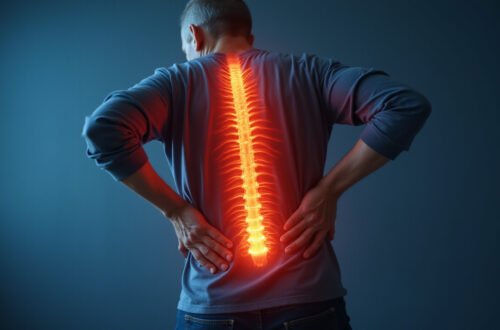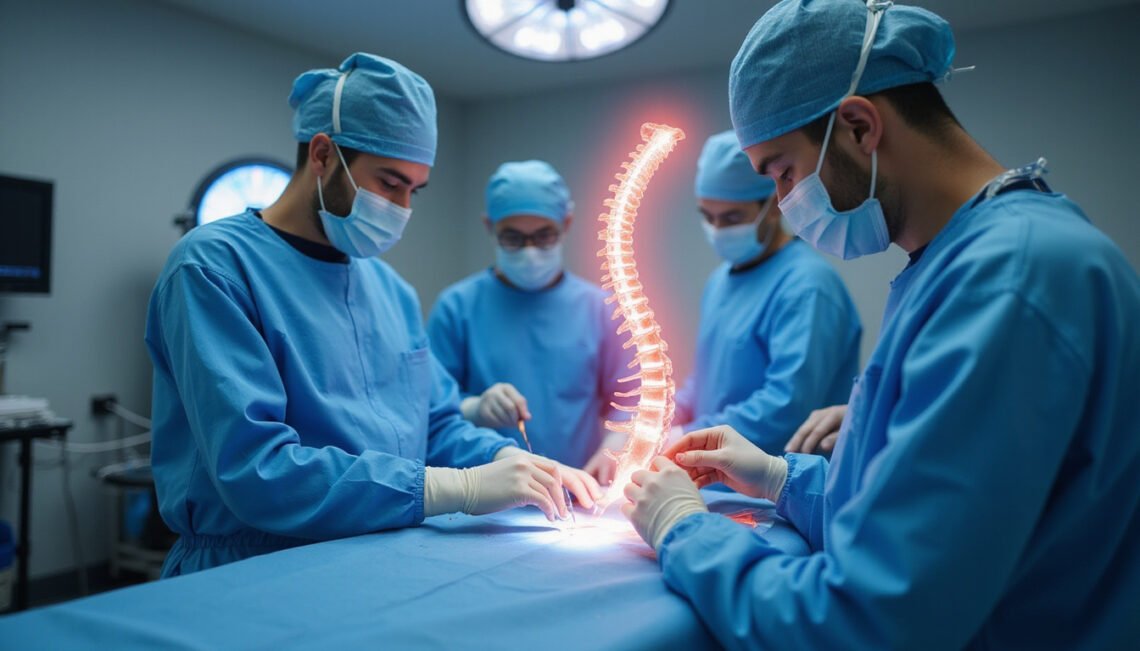
A laminectomy is a common type of back surgery designed to relieve pressure on the spinal cord or nerves. If you’re considering this procedure—or it has been recommended by your doctor—it’s normal to feel unsure about what it involves, what could go wrong, and how your life might change afterwards. This guide walks you through what a laminectomy is, why it’s done, the risks, the recovery process, and what to expect long term so you can make an informed, confident decision.
What Is a Laminectomy?
A laminectomy is a surgical procedure in which a spine surgeon removes part or all of the lamina, the bony “roof” at the back of the vertebra. This creates more space in the spinal canal and relieves pressure on the spinal cord and nerve roots.
Pressure on the spinal nerves is called spinal stenosis. It can cause pain, numbness, tingling, and weakness in your back, legs, or arms, depending on where the nerves are pinched. A laminectomy is often recommended when:
- Non-surgical treatments (physical therapy, medications, injections) have not improved your symptoms.
- Pain and weakness significantly limit daily activities.
- There is evidence of nerve damage or risk of permanent damage.
Laminectomy can be performed on different parts of the spine—cervical (neck), thoracic (mid-back), or lumbar (lower back). Lumbar laminectomy is the most common.
Why a Laminectomy Is Done (And When It’s Not)
Common reasons for laminectomy
Doctors usually consider laminectomy when imaging tests (like MRI or CT scans) show narrowing of the spinal canal that matches your symptoms. Common underlying problems include:
- Spinal stenosis from age-related wear and tear.
- Herniated discs that compress nerves.
- Bone spurs from arthritis.
- Thickened ligaments in the spine.
- Spinal tumors or cysts compressing nerves.
For many people, the key goals of laminectomy are to:
- Reduce leg or arm pain (often more reliably than back pain).
- Improve walking distance and endurance.
- Improve balance, strength, and overall function.
- Prevent further nerve damage.
When laminectomy may not be appropriate
A laminectomy may not be right for everyone. Your surgeon might recommend against it if:
- Imaging does not clearly show nerve compression.
- Pain is mainly from muscle strain or non-structural issues.
- You have major uncontrolled medical conditions that make surgery unsafe.
- Symptoms are mild and well-managed with conservative care.
Discussing your specific goals and expectations with your surgeon is critical before deciding on surgery.
How a Laminectomy Is Performed
Although each case is different, most laminectomies follow a similar pattern:
-
Anesthesia
You receive general anesthesia, so you’re asleep and pain-free. -
Incision and exposure
A small to moderate incision is made over the affected spine area. Muscles are gently moved aside to expose the vertebrae. -
Removal of the lamina
The surgeon removes part or all of the lamina to open up the spinal canal. They may also remove bone spurs, thickened ligament tissue, or disc fragments. -
Additional procedures, if needed
In some cases, a laminectomy is combined with:- Discectomy (removal of herniated disc material)
- Spinal fusion (joining two or more vertebrae with bone grafts and hardware to stabilize the spine)
-
Closure
The incision is closed with sutures or staples, and a dressing is applied.
Some laminectomies are done using minimally invasive techniques through smaller incisions. Your surgeon will explain which approach is best for your condition.
Risks and Possible Complications of Laminectomy
Like any surgery, a laminectomy carries risks. Understanding them helps you weigh benefits versus downsides realistically.
Common general surgical risks
- Bleeding
- Infection at the incision or deeper tissues
- Blood clots in the legs (deep vein thrombosis) or lungs (pulmonary embolism)
- Reactions to anesthesia
Spine- and nerve-specific risks
-
Dural tear
The dura is the protective covering around the spinal cord and nerves. A tear can cause a cerebrospinal fluid (CSF) leak that may need repair. This is one of the more frequent complications but is often manageable. -
Nerve injury
Rarely, nerves may be damaged, potentially causing:- Increased pain
- Numbness or tingling
- Weakness
- Very rarely, problems with bladder or bowel control
-
Persistent symptoms
Some people do not experience full relief, or pain may shift or persist, especially if there are multiple issues in the spine. -
Spinal instability
Removing too much bone can make the spine less stable. Sometimes this is anticipated, and a fusion is done at the same time; in other cases, instability can develop later and may require further surgery. -
Scar tissue formation
Scar tissue can occasionally irritate nerves and cause ongoing symptoms.
In general, lumbar laminectomy for stenosis has good success rates in reducing leg pain and improving walking in appropriately selected patients (source: American Academy of Orthopaedic Surgeons).
What to Expect Immediately After Laminectomy
Hospital stay
- Many patients stay in the hospital 1–3 days, depending on overall health and whether a fusion was performed.
- You’ll be monitored for pain control, movement, bladder and bowel function, and any early complications.
- A physical therapist often gets you standing and walking (with assistance) as early as the same day or the next day.
Pain after surgery
- Surgical pain at the incision and in the back is normal.
- Nerve-related leg or arm pain often improves quickly, but:
- Some nerve symptoms can take weeks to months to fully improve.
- It’s possible to have “nerve awakening” discomfort as pressure is relieved and nerves start to recover.
You’ll receive medications for pain, muscle spasms, and sometimes nerve pain. Use them as directed and let your care team know if your pain is not well controlled.

Laminectomy Recovery Timeline
Everyone heals at a slightly different pace, but here’s a general outline:
First 2 weeks
- Focus is on:
- Wound healing
- Gentle walking
- Avoiding strain (no heavy lifting, bending, or twisting)
- You may still feel tired and sore; short walks several times a day are encouraged.
- Many people need help with some daily tasks at first.
Weeks 3–6
- Gradual increase in activity:
- Longer walks
- Light household activities
- Some patients start supervised physical therapy in this phase.
- Many people who work desk jobs can begin a phased return to work—often around 4–6 weeks, depending on pain and energy level.
6 weeks to 3 months
- Continued improvement in strength, flexibility, and endurance.
- Physical therapy usually focuses on:
- Core and back muscle strengthening
- Posture and body mechanics
- Safe lifting and movement patterns
- Those with physically demanding jobs may return closer to the 8–12 week mark, sometimes later if a fusion was done.
3 months and beyond
- Most day-to-day activities can be resumed.
- Ongoing exercise and spine-friendly habits are key to protecting your back and minimizing the chance of new issues.
- Full recovery after a laminectomy—especially with fusion—can take 6–12 months, even though you may feel significantly better much sooner.
Tips for a Smoother Recovery
To get the best outcome from your laminectomy:
-
Follow activity restrictions
Don’t push heavy lifting, bending, or twisting until your surgeon clears you. -
Walk regularly
Short, frequent walks support circulation, reduce stiffness, and build endurance. -
Use good body mechanics
Learn safe ways to sit, stand, and lift (your physical therapist will guide you). -
Keep follow-up appointments
Your surgeon needs to monitor your healing and catch any issues early. -
Take medications as prescribed
Don’t abruptly stop pain medicines, especially opioids, without guidance. Discuss any concerns about dependence with your doctor. -
Watch for warning signs
Contact your medical team if you notice:- Fever or chills
- Redness, warmth, or drainage from the incision
- Sudden worsening back or leg pain
- New weakness, numbness, or problems with bladder or bowel control
- Calf pain or swelling, chest pain, or shortness of breath
Life After Laminectomy: Long-Term Outlook
Pain and mobility
For properly selected patients, a laminectomy can:
- Markedly reduce leg or arm pain caused by nerve compression.
- Improve walking distance and ability to stand upright.
- Enhance overall quality of life and independence.
However, it’s important to understand:
- Some degree of back pain may remain, especially if there is underlying arthritis or disc degeneration.
- Nerve damage that existed for a long time before surgery may not fully reverse; some numbness or weakness can be permanent.
- Symptoms can recur over time due to ongoing age-related changes or issues at neighboring spine levels.
Returning to normal activities
Most people can return to many of the activities they enjoy:
- Walking, swimming, and low-impact exercise are generally encouraged.
- Light sports may be possible with your surgeon’s approval.
- High-impact sports or heavy lifting may be limited, especially if you’ve had a fusion or significant structural changes.
Your long-term outlook depends on your overall health, the extent of spinal disease, and how well you maintain a back-healthy lifestyle.
Lifestyle Habits That Protect Your Spine After Laminectomy
To support your spine and help prevent future issues:
-
Stay active
Aim for regular aerobic exercise (walking, cycling, swimming) and strength training guided by a professional. -
Maintain a healthy weight
Excess weight adds stress to your spine and joints. -
Practice good posture
When sitting, standing, and using devices, keep your spine neutral and avoid slouching. -
Lift properly
Use your legs, keep the object close to your body, and avoid twisting while lifting. -
Don’t smoke
Smoking impairs blood flow and healing and is linked to worse spine outcomes. -
Prioritize core strength
Strong abdominal and back muscles support your spine and reduce strain.
A physical therapist or specialized trainer can help you design a safe, effective long-term program.
Pros and Cons of Laminectomy at a Glance
Potential benefits:
- Relief of nerve-related leg or arm pain
- Improved walking ability and balance
- Reduced numbness and tingling
- Better function and quality of life
- Prevention of worsening nerve damage in some cases
Potential downsides:
- Surgical and anesthesia risks
- Possibility of incomplete or temporary symptom relief
- Recovery time away from work or usual activities
- Risk of instability or need for additional procedures
- Long-term spine degeneration can still occur
Weighing these factors with your surgeon—and, if needed, getting a second opinion—helps ensure laminectomy is the right choice for you.
FAQ: Common Questions About Laminectomy Surgery
Q1: How long does it take to fully recover from a laminectomy?
Recovery after laminectomy surgery varies, but many patients feel substantially better within 6–12 weeks for daily activities. Full healing and maximum improvement, especially if a fusion was done, can take up to 6–12 months. Nerve symptoms sometimes continue to improve gradually over that time.
Q2: Is a lumbar laminectomy considered major surgery?
Yes, a lumbar laminectomy is generally considered major spine surgery because it involves operating near the spinal cord and nerves under general anesthesia. However, it is also a well-established, routine procedure with a long track record, and modern techniques aim to minimize tissue damage and speed recovery.
Q3: What are alternatives to laminectomy for spinal stenosis?
Alternatives to a spinal laminectomy may include physical therapy, anti-inflammatory medications, epidural steroid injections, activity modification, and in some cases less invasive decompression procedures. These options may help manage symptoms, especially if they are mild to moderate. Surgery is usually considered when non-surgical care fails or when there are signs of progressive nerve damage.
Take the Next Step Toward Relief
If back or leg pain, numbness, or weakness are narrowing your life, learning about laminectomy is a smart move. The decision to have surgery is personal and significant—but it doesn’t have to be overwhelming. Bring your questions, concerns, and goals to a qualified spine specialist, and discuss whether a laminectomy fits your situation.
Don’t let uncertainty keep you stuck in pain. Schedule a consultation with your doctor or a board-certified spine surgeon, review your imaging and options together, and use the information in this guide to advocate for the outcome you want: less pain, more movement, and a return to the activities you value most.