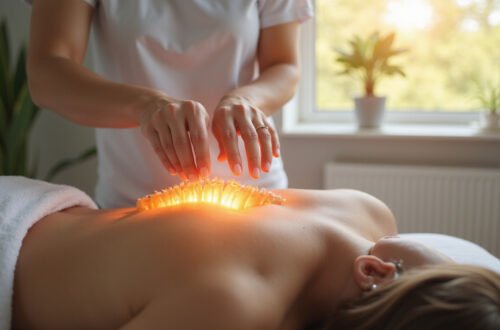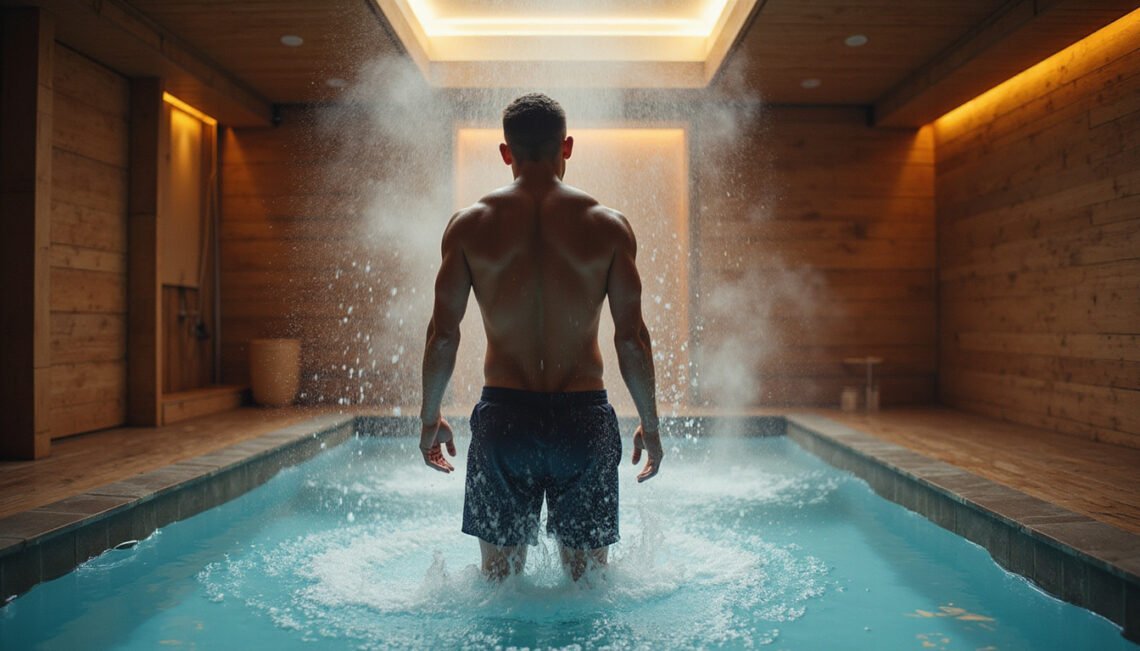
Athletes at every level are looking for an edge—something that helps them bounce back faster, train harder, and stay healthier across long seasons. Contrast therapy has become one of the most popular and practical recovery tools in that search. By alternating between hot and cold exposure, athletes can reduce soreness, manage inflammation, and feel “recharged” for their next session.
This guide breaks down what contrast therapy is, why it works, and the exact routines athletes use so you can safely build it into your own recovery plan.
What is contrast therapy?
Contrast therapy, also known as contrast bathing or hot–cold therapy, involves alternating between heat and cold for a set number of rounds. It can be done with:
- Full-body immersion (hot tub + cold plunge)
- Partial immersion (buckets or tubs for arms/legs)
- Contrast showers (alternating hot and cold water)
The basic idea:
- Heat dilates blood vessels, increases circulation, relaxes tissue, and can help with stiffness.
- Cold constricts blood vessels, reduces blood flow, and can help limit swelling and pain.
When you alternate the two, you create a “pumping” effect that may help move metabolic waste products out of muscles and bring fresh, oxygenated blood back in. Research on contrast water therapy suggests it can reduce delayed onset muscle soreness (DOMS) and improve perceived recovery after intense exercise (source: National Library of Medicine).
How contrast therapy helps athletic recovery
Athletes often use contrast therapy on heavy training days, game days, or during intense competition blocks. The benefits most commonly reported include:
1. Reduced muscle soreness
The alternating hot–cold cycle seems particularly helpful for DOMS, the muscle soreness that peaks 24–72 hours after a tough workout. By supporting circulation and fluid movement, contrast therapy can help:
- Decrease the perception of soreness
- Improve comfort during movement
- Make it easier to resume training sooner
2. Improved circulation and tissue nutrition
Heat opens up blood vessels and increases circulation; cold constricts them. Repeating this cycle may:
- Flush out metabolic byproducts from hard training
- Bring in oxygen and nutrients needed for tissue repair
- Reduce the “heavy legs” or “dead arms” feeling after competition
3. Swelling and inflammation management
Cold reduces blood flow and can help limit swelling after intense or impact-heavy sessions. When combined with heat afterward, it:
- Helps manage post-exercise inflammation without fully blunting it
- Can reduce joint stiffness and discomfort
- Supports more comfortable range of motion
4. Nervous system reset
A lot of athletes use contrast therapy as a mental and nervous system “reset”:
- Cold can be stimulating and alerting
- Heat is relaxing and calming
Alternating between the two can leave you feeling both refreshed and relaxed, especially after mentally draining competition.
General guidelines for safe contrast therapy
Before you copy a pro athlete’s routine, get the basics right. Contrast therapy is powerful, but it’s not for everyone and should be used thoughtfully.
Who should be cautious or avoid it
Check with a healthcare professional before using contrast therapy if you have:
- Heart disease or cardiovascular issues
- Uncontrolled high blood pressure
- Peripheral vascular disease
- Diabetes with neuropathy
- Raynaud’s phenomenon or other circulatory disorders
- Open wounds, infections, or skin conditions in the treatment area
- Pregnancy (for whole-body hot exposure)
Listen to your body: if you feel dizzy, short of breath, chest pain, unusual headache, or intense discomfort, stop immediately.
Temperature targets
You don’t need extreme temperatures to get benefits. For most healthy athletes:
-
Heat:
- Water: 96–104°F (36–40°C)
- Shower: comfortably hot but not scalding
-
Cold:
- Water: 50–59°F (10–15°C)
- Shower: as cold as is tolerable without shivering uncontrollably
Err on the side of milder temperatures and shorter durations when you’re starting.
Time and frequency
Common guidelines:
- Total session length: 15–25 minutes
- Individual interval length: 1–4 minutes hot, 30 seconds–2 minutes cold
- Frequency: 2–4 times per week during heavy training blocks
Remember: contrast therapy is recovery support, not a replacement for sleep, good nutrition, and smart programming.
Classic contrast therapy protocol athletes use
This is a standard lower-body contrast bath routine commonly used by field, court, and endurance athletes after hard sessions.
Lower-body contrast bath (20–22 minutes total)
Setup:
- 1 tub or large bin with hot water (100–104°F / 38–40°C)
- 1 tub or large bin with cold water (50–59°F / 10–15°C)
- Water deep enough to cover up to knees or hips, depending on sport
Protocol:
-
Hot immersion – 3 minutes
- Sit or stand in hot tub, legs fully immersed.
- Focus on relaxed breathing.
-
Cold immersion – 1 minute
- Move immediately into cold tub.
- Expect initial discomfort; keep breathing slow and controlled.
-
Repeat steps 1–2 for 4–6 rounds
- Beginner: 4 rounds (16 minutes total)
- Experienced: 6 rounds (24 minutes total)
-
Finish with cold
- End on a 1–2 minute cold immersion to limit lingering swelling and provide a refreshing finish.
Dry off, dress warmly, and avoid getting chilled afterward.
Contrast shower routine for home and travel
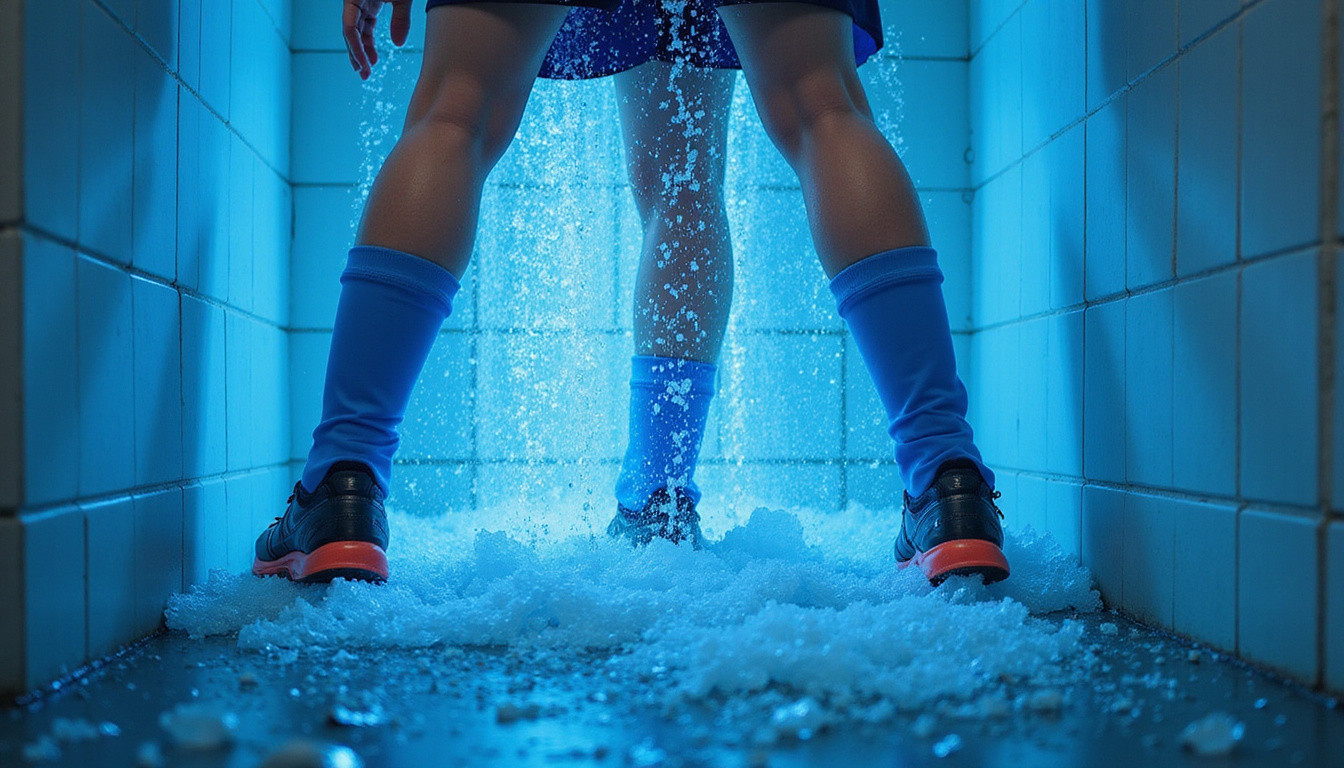
Many athletes don’t have access to multiple tubs. Contrast showers are simple, quick, and can be done almost anywhere.
Full-body contrast shower (15 minutes)
-
Warm phase – 3 minutes
- Turn the shower to comfortably warm/hot.
- Let water hit the major muscle groups trained that day.
-
Cold phase – 1 minute
- Turn water to as cold as tolerable.
- Focus on legs, hips, shoulders, and back.
- Maintain slow, steady breathing.
-
Repeat warm–cold cycle 4 times
- Total: 16 minutes (12 min warm, 4 min cold).
-
Finish with cold – 30–60 seconds
- Step out, dry, and warm up with clothing or a light snack and hydration.
This is ideal after tough lifts, conditioning sessions, or games—especially when you’re on the road.
Sport-specific contrast therapy routines
Different sports stress different tissues. Below are examples of how athletes in various disciplines tailor their contrast therapy.
For runners and endurance athletes
Primary issues: calf tightness, sore quads/hamstrings, foot and ankle fatigue.
Routine focus: lower body and feet
-
Post-long run or race (bath + foot buckets):
- 3 minutes warm bath to waist
- 1 minute cold (legs and feet)
- Repeat 4–5 times
- Add extra 1–2 cold-only cycles for feet if they’re heavily pounded.
-
Frequency: after hard interval days and long runs, not usually after every easy run.
For strength and power athletes (lifting, CrossFit, sprinting)
Primary issues: heavy systemic fatigue, joint stress, microtears in muscle.
Routine focus: full body or targeted region
-
Post-max strength days (contrast shower):
- 3 minutes warm, 1 minute cold, whole body
- Emphasize shoulders, back, hips, and knees
- 4–6 cycles
-
Heavy squat or deadlift sessions (lower body baths):
- 3 minutes hot to hip level
- 1 minute cold
- 5 rounds
- Finish with 2 minutes cold
For court and field athletes (basketball, soccer, football, rugby)
Primary issues: impact, joint swelling, general soreness, and nervous system load.
Routine focus: legs, hips, possibly shoulders
- Post-game routine (team facility tubs):
- 3 minutes hot
- 1 minute cold
- 6 cycles (24 minutes)
- End with cold
- Follow with light snack, hydration, and 5–10 minutes of gentle stretching.
When to use contrast therapy in your weekly schedule
Using contrast therapy strategically makes it more effective and easier to sustain.
Good times to use it:
- After competition or scrimmages
- After high-volume or high-intensity training days
- During tournament or race weekends with multiple events
- During deload weeks to help with lingering soreness
Times to be more cautious:
- Immediately before key performance (especially heavy cold exposure, which may temporarily reduce power output)
- When you’re already very cold or under-fueled
- When you’re acutely injured without medical guidance
Example weekly plan integrating contrast therapy
Here’s a sample for an in-season athlete training 5 days per week with 1 game:
-
Monday – Heavy strength + conditioning
- PM: Contrast shower (3 min hot / 1 min cold × 4)
-
Wednesday – High-intensity practice
- PM: Lower-body contrast bath (3 min hot / 1 min cold × 4–5)
-
Saturday – Game day
- Within 2 hours post-game: Full routine (3 min hot / 1 min cold × 6)
-
Other days
- Light stretching, mobility, and standard warm showers only.
Adjust based on your personal response, schedule, and access to facilities.
Common mistakes to avoid with contrast therapy
To get the most from contrast therapy—and avoid problems—watch out for these issues:
-
Going too extreme too soon
- Very hot or ice-cold water is unnecessary and increases risk. Start moderate.
-
Staying in for too long
- Long exposures (40+ minutes) add fatigue and stress instead of aiding recovery.
-
Using it as a bandage for bad training or sleep
- Contrast therapy supports recovery but can’t fix chronic overtraining or 4 hours of sleep.
-
Ignoring hydration and nutrition
- Contrasts stress circulation and fluid balance. Rehydrate and eat a balanced post-session meal or snack.
-
Skipping a warm-up afterward in cold environments
- Dry off, dress warmly, and move around a bit so you don’t get chilled.
Simple checklist for a safe contrast therapy session
Use this quick list before and during your session:
- [ ] I have no major heart, blood pressure, or circulatory issues (or I’ve cleared this with a doctor).
- [ ] Water temps are moderate, not extreme.
- [ ] Total session is under 25 minutes.
- [ ] I can breathe calmly during cold phases.
- [ ] I stop if I feel dizzy, faint, or unwell.
- [ ] I rehydrate and eat after the session.
FAQ: contrast therapy for athletes
1. Is contrast therapy better than an ice bath for recovery?
It depends on your goal. Ice baths are more focused on reducing inflammation and can sometimes blunt training adaptations if overused. Contrast therapy offers a balance: you get the benefits of cold plus increased circulation from heat, which many athletes find better for overall comfort and long-term recovery.
2. How often should athletes do contrast water therapy?
Most athletes benefit from using contrast water therapy 2–4 times per week during heavy training or competition blocks. Daily use is usually unnecessary and can become stressful rather than helpful. Let soreness levels, performance, and sleep quality guide how often you use it.
3. Can I do contrast shower therapy at home without special equipment?
Yes. A simple contrast shower therapy routine—alternating 3 minutes hot and 1 minute cold for 4–6 cycles—is enough for most people. It requires no special gear beyond a standard shower and is ideal for athletes training at home or traveling.
Recover faster and stronger with contrast therapy
Contrast therapy is not a magic fix, but it’s a powerful, practical tool when used intelligently. By alternating hot and cold, you can:
- Reduce post-training soreness
- Support circulation and tissue repair
- Manage swelling and stiffness
- Feel more refreshed between hard efforts
Start with moderate temperatures, short intervals, and 2–3 sessions per week. Track how you feel in the next day’s training: your energy, soreness, and performance are the best indicators of whether your routine is working.
If you’re ready to recover faster and come back stronger, choose one of the routines above—contrast shower or tub—and commit to trying it consistently for the next 3–4 weeks. Adjust as needed, listen to your body, and let contrast therapy become a reliable part of your high-performance recovery toolkit.